
What is the best time to visit Murchison Falls National Park
What is the best time to visit Murchison Falls National Park
The Best Time to Visit Murchison Falls National Park: A Complete Seasonal Guide for an Unforgettable Uganda Safari
Murchison Falls National Park is Uganda’s largest and oldest conservation area, a spectacular wilderness where the mighty Victoria Nile explodes through a narrow seven meter gorge, creating one of the most powerful waterfalls on the planet. The park spans over 3,800 square kilometers of savannah, woodland, riverine forest, and wetlands, sheltering an astonishing diversity of wildlife including elephants, lions, giraffes, buffaloes, hippos, crocodiles, and more than 451 recorded bird species. Located approximately 305 kilometers from Kampala in northwestern Uganda, the park is accessible by road in five to six hours, or by scheduled and charter flights from Entebbe to Pakuba, Bugungu, or Chobe airstrips. Understanding the seasonal rhythms of Murchison Falls is the key to planning a safari that matches your priorities, whether you seek optimal game viewing, spectacular birdwatching, dramatic waterfall photography, or a quieter and more affordable experience.
Understanding the Two Seasons of Murchison Falls National Park
Murchison Falls National Park experiences a tropical climate with distinct wet and dry seasons, and each season offers a genuinely different safari experience. The long dry season runs from June to September, while the short dry season spans December to February. The long wet season occurs from March to May, with the heaviest rainfall typically in April, and the short wet season falls between October and November.
During the dry seasons, daytime temperatures range from 25°C to 32°C, occasionally rising above 35°C, with lower humidity levels between 40% and 60% that make the conditions feel less oppressive. The wet seasons remain warm, with daytime temperatures between 25°C and 30°C, but humidity often exceeds 60% and can reach up to 80%, creating a more humid and sticky atmosphere particularly after rainfall.
Dry Season Safari: June to September and December to February
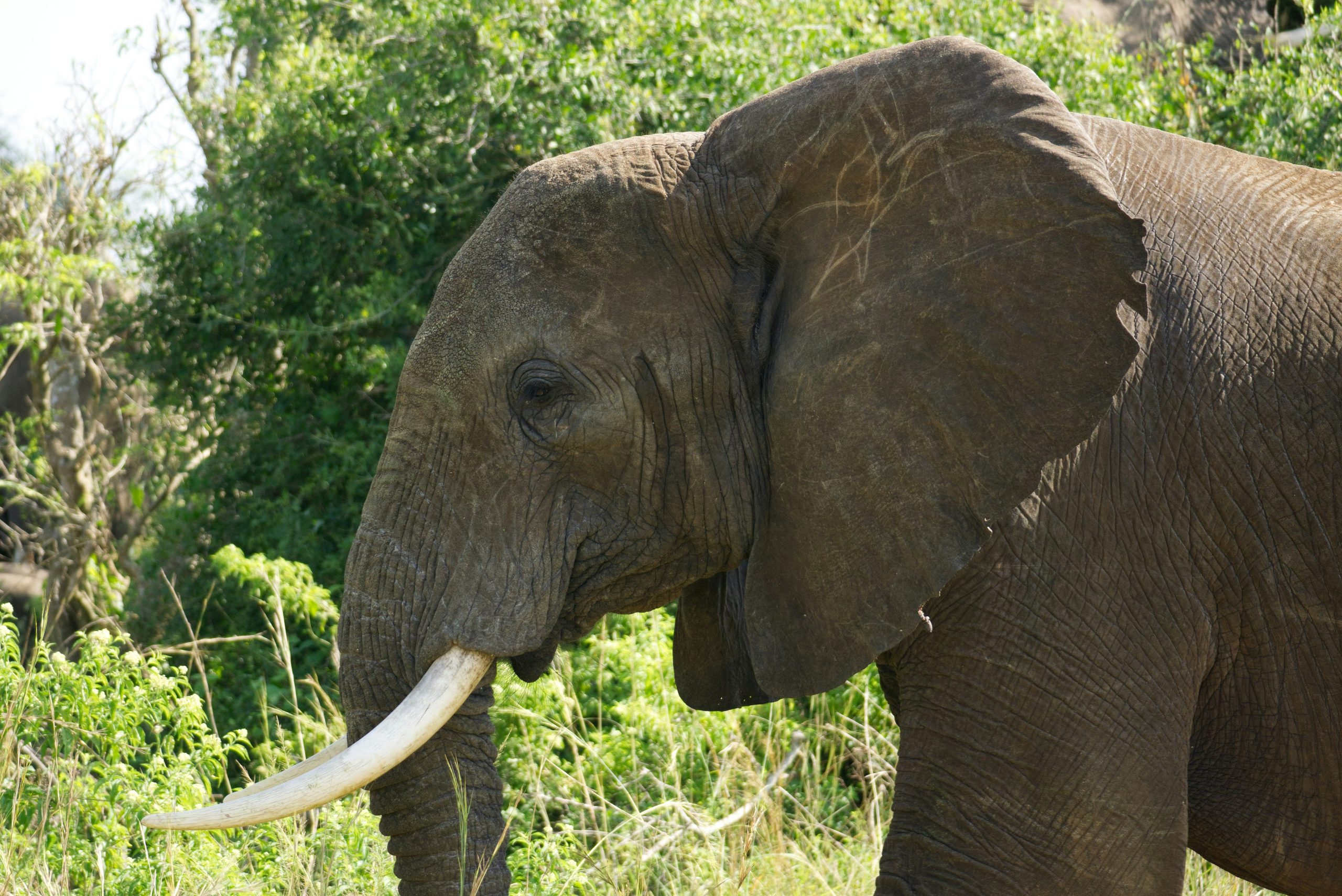
The dry seasons are widely regarded as the best time to visit Murchison Falls National Park for classic game viewing and wildlife photography. During these months, the tall grasses that characterize the wet season die back and lie flat, opening up sight lines across the savannah that make predator sightings far more frequent. Lions that would be invisible in metre high grass during the wet season are often found lying in plain view on open ground. Leopards are easier to spot along the south bank forest road for the same reason. Elephant herds move toward the permanent water of the Victoria and Albert Nile banks, producing some of the most reliable elephant sightings in Uganda from both the game drive circuits and the afternoon boat cruise. Buffalo herds of several hundred animals gather around the floodplain margins, and the endangered Rothschild’s giraffes, one of the most threatened giraffe subspecies in the world with Murchison Falls holding one of the largest remaining populations, are easiest to approach and photograph in the dry season open country.
The dry season also offers the most favorable conditions for road access within the park. While the tracks inside Murchison Falls are predominantly murram, meaning gravel and compacted earth, these can become genuinely slippery and challenging during the rainy season. In the dry months from December to February and June to August, the roads are dusty but firm, making navigation easier for self-drive travelers and guided safari vehicles alike. A proper 4×4 vehicle with good ground clearance is still strongly recommended for navigating these tracks safely and for accessing the full range of the park’s game viewing circuits.
July and August are the absolute peak months for game drive quality and also the busiest and most expensive period. The short dry season from December to February is a second peak period that is less crowded than the June to September window and often slightly less expensive, with excellent wildlife viewing, warm and dry weather, and easier availability at the most popular lodges.
The Wet Season: A Different Kind of Magic
The wet seasons from March to May and October to November transform Murchison Falls into a lush, vibrant landscape that offers rewards unavailable during the drier months. The long wet season brings the heaviest rainfall of the year, and tracks on the north bank can become muddy and difficult, particularly in April. Wildlife disperses more widely across the savannah because water is available everywhere rather than just at the rivers, making game viewing harder but still possible.
The greatest spectacle of the wet season is Murchison Falls itself. As the Victoria Nile runs at full volume, the waterfall is at its most dramatic and powerful, thundering through the narrow gorge with an intensity that is truly awe inspiring. For photographers and travelers seeking the most dramatic images of the falls, the wet season delivers an unforgettable experience.
The short wet season from October to November is a particularly attractive shoulder period. Rainfall is lighter than the long wet season and generally does not significantly affect game drive access. Prices drop, visitor numbers fall, and wildlife viewing remains solid. The migratory birds that arrive from the Palearctic in October and November make this one of the best birding periods of the year.
Best Time for Birdwatching in Murchison Falls National Park
With over 451 recorded bird species, Murchison Falls National Park is one of the top birdwatching destinations in Uganda. The park harbors water birds, Albertine Rift endemic birds, and migratory species, and bird watching can be enjoyed during game drives, boat cruises, and nature walks in Budongo Forest and Kaniyo Pabidi Forest.
Bird watching in Murchison Falls can be done all year round, though the best time is during the low or wet season in the months of January to March and November to April. During the wet season, the national park receives heavy rainfall, which creates plenty of food for bird species, allowing bird lovers to view a variety of colorful and migratory bird species. November and December are particularly ideal months for a Murchison Falls birding visit, as the short dry season means good road conditions and clear skies combined with peak activity of migratory species. The October to November window is also the most productive period for raptor watching at Murchison Falls. January and February are the driest months in northern Uganda and are the primary season for the standard winged nightjar display.
Best Time for Nile River Boat Safaris
The boat safari along the Victoria Nile to the base of Murchison Falls is one of the park’s signature experiences, offering a completely different perspective on the wildlife and landscapes. Boat safaris are superb year round, but December to February and June to September offer the calmest conditions and the highest concentration of wildlife along the riverbanks. During these dry months, animals gather at the river to drink, making sightings more frequent and rewarding. Morning cruises are excellent for birding, while afternoon and sunset trips maximize wildlife sightings and photography opportunities. Along the riverbanks, you may see hippos, crocodiles, elephants, buffaloes, and a wide variety of water birds.
Best Time for Chimpanzee Tracking in Budongo Forest
Murchison Falls National Park includes the Budongo Forest, home to chimpanzees and other primates. Chimpanzee tracking can be done all year, however the most suitable time is the dry season from December to January and June to August, when the ground is not as slippery as it can be in the rainy season. During the months of May, June, July, and August, the success rate for chimpanzee tracking is over 90 percent because food is easy to find and the groups do not move very far. From February to April and September to January, the rate might drop to about 70 percent when food is scarce. The dry seasons offer easier forest walks and clearer photography opportunities, while the wet seasons provide lush, vibrant forest scenery and fewer visitors.
Month by Month Safari Planning Guide
January is one of the best months for a Murchison Falls safari. The dry season is in full swing, bringing sunshine, warm temperatures, and clear skies ideal for savannah safaris. With the Nile low and the grasses dry, wildlife congregates along the riverbanks, making January ideal for game drives and boat safaris. Expect elephants, lions, hippos, and the powerful surge of Murchison Falls at its most dramatic.
February stays dry and warm, offering fantastic conditions for travel and wildlife viewing. The northern regions can get hot and arid, but this is a peak time for spotting large game. February is ideal for game drives in Murchison Falls.
March marks the start of the long rains, with heavier showers. While roads can become muddy, landscapes turn lush and atmospheric, particularly rewarding for photographers and birders.
April sees peak rainfall across most of the region. The falls are at their most powerful, and the park is at its greenest and most vibrant. Birdwatching is exceptional during this month.
May offers warm and sunny weather according to weather data, with maximum daytime temperatures between 22°C and 30°C and daily sunshine of eight hours or more.
June is the beginning of the long dry season and one of the best times to visit. Wildlife viewing becomes easier as grasses dry and animals concentrate around water sources. June to September offers the best game drive conditions.
July and August are the absolute peak months for game drive quality, with excellent visibility and wildlife concentrations along the Nile. These months are also the busiest and most expensive, so early booking is essential.
September remains part of the dry season and continues to offer excellent wildlife viewing. It is also a warm and sunny month according to weather data.
October brings the short wet season, with lighter rainfall than the long wet season. This shoulder period is excellent value with lower prices, fewer visitors, and solid wildlife viewing. Migratory birds begin to arrive.
November is one of the best birding months, with migratory species present in large numbers and good road conditions during the short dry season.
December marks the return of the short dry season, with excellent wildlife viewing, warm and dry weather, and easier availability at popular lodges.
Practical Tips for Your Murchison Falls Safari
For the best wildlife viewing, plan your game drives for the early morning hours when many animals are active before the heat of the day. The northern bank circuits including Buligi, Albert, and Delta are the prime game viewing areas during the dry season. The Paraa ferry crossing is essential for accessing the northern bank from the southern section of the park, and the ferry runs at roughly hourly intervals between approximately seven in the morning and seven in the evening. For birdwatching, carry a field guide, binoculars, hiking shoes, a camera with extra batteries, insect repellent, energy snacks, drinking water, and a waterproof rain jacket. A 4×4 vehicle with good ground clearance is strongly recommended for navigating the murram tracks inside the park, particularly during the wet season.
Frequently Asked Questions About Visiting Murchison Falls National Park
What is the best time to visit Murchison Falls National Park?
The best time to visit Murchison Falls National Park for wildlife viewing is during the dry seasons from December to February and June to September. During these months, animals gather around the Nile River and other permanent water sources, making wildlife easier to spot during game drives and boat safaris. For birdwatching, the wet season months offer the greatest diversity of species. For the most dramatic views of the falls themselves, the wet season when the Nile runs at full volume provides an unforgettable spectacle.
Is Murchison Falls National Park open year round?
Yes, Murchison Falls National Park is open every month of the year, and every season has something genuine to recommend it. The dry season delivers the most reliable big game sightings, the wet season brings the falls to their most powerful and fills the park with migratory birds, and the quieter shoulder months offer good wildlife at lower prices without the crowds of peak season.
Which months are best for game drives in Murchison Falls?
The best game viewing on the north bank circuits falls firmly in the dry season from June to September and December to February. In the dry months, the tall grass dies back and lies flat, opening up sight lines across the savannah that make predator sightings far more frequent.
When is the best time for a boat safari on the Nile?
Boat safaris are superb year round, but December to February and June to September offer the calmest conditions and the highest concentration of wildlife along the riverbanks. Morning cruises are excellent for birding, while afternoon and sunset trips maximize wildlife sightings and photography opportunities.
What is the best time for birdwatching in Murchison Falls?
Bird watching in Murchison Falls can be done all year round, though the best time is during the low or wet season in the months of January to March and November to April. During the wet season, the park receives heavy rainfall, creating plenty of food for bird species and allowing bird lovers to view a variety of colorful and migratory bird species.
When is the best time for chimpanzee tracking in Budongo Forest?
Chimpanzee tracking can be done all year, however the most suitable time is the dry season from December to January and June to August, when the ground is not as slippery as it can be in the rainy season. During May, June, July, and August, the success rate for chimpanzee tracking is over 90 percent.
How do I get to Murchison Falls National Park?
Murchison Falls National Park is located in northwestern Uganda and can be accessed by road, with tourists driving from Kampala or Entebbe through Luwero and Masindi to the park headquarters, which takes about five to six hours in a 4WD safari vehicle. The park can also be accessed by air transport, with scheduled or charter domestic flights from Entebbe International Airport or Kajjansi airfield to Pakuba, Bugungu, or Chobe airstrips.
What should I pack for a Murchison Falls safari?
For a Murchison Falls safari, pack a field guide with information about different bird and animal species, hiking shoes, a camera and extra batteries, binoculars, insect repellent, energy snacks, drinking water, a waterproof rain jacket, and a backpack to carry your items. Neutral colored clothing is recommended for game drives, and a hat and sunscreen are essential during the dry season.
Is Murchison Falls National Park suitable for self drive safaris?
Yes, a self drive safari in Murchison Falls National Park is entirely achievable and considerably cheaper than a guided private safari. The park’s main tracks are well maintained and well signed, and wildlife is genuinely easy to spot. However, a proper 4×4 with good ground clearance is strongly recommended, particularly during the rainy season when murram tracks can become slippery and challenging.
Conclusion: Choosing the Right Season for Your Murchison Falls Safari
Murchison Falls National Park is a year round destination that rewards visitors differently in every season. If your priority is maximizing wildlife sightings, particularly of lions, elephants, giraffes, and buffaloes, the dry seasons from December to February and June to September offer the most reliable and comfortable conditions. If you are a birder, the wet season months from November to April provide the greatest diversity of species, including migratory birds that arrive from the Palearctic. If you seek the most dramatic and powerful views of the falls themselves, the wet season when the Victoria Nile runs at full volume delivers an unforgettable spectacle. And if you are looking for the best value without compromising on wildlife viewing, the shoulder months of October and November and the short dry season of December to February offer excellent experiences at lower prices with fewer crowds.
Whatever season you choose, Murchison Falls National Park promises an extraordinary Uganda safari experience. The combination of the mighty Nile, the thundering falls, the abundant wildlife, and the diverse birdlife makes this park one of Africa’s most rewarding destinations. Turkana Wildlife Safaris offers a range of expertly curated packages to help you experience the best of Murchison Falls, from the 4 Days Murchison Falls National Park Safari which includes rhino tracking at Ziwa Rhino Sanctuary, game drives, and a boat cruise to the base of the falls, to the Affordable 5 Day Group Safari in Uganda which combines Murchison Falls with other Ugandan highlights at an accessible price point. For travelers seeking a more comprehensive experience, the 5 Days Big 5 Safari and Chimp Trekking combines the savannah wildlife of Murchison Falls with chimpanzee tracking in Kibale National Park, while the 9 Days Uganda Primate Safari and Wildlife offers an extended adventure through Uganda’s most spectacular national parks. For a shorter introduction to the park, the 3 Days Budget Murchison Falls Tour provides an excellent value option that includes game drives, boat cruise, and a visit to the top of the falls. With careful planning and the right season in mind, your Murchison Falls safari will be an unforgettable journey into the heart of Uganda’s wild beauty.