
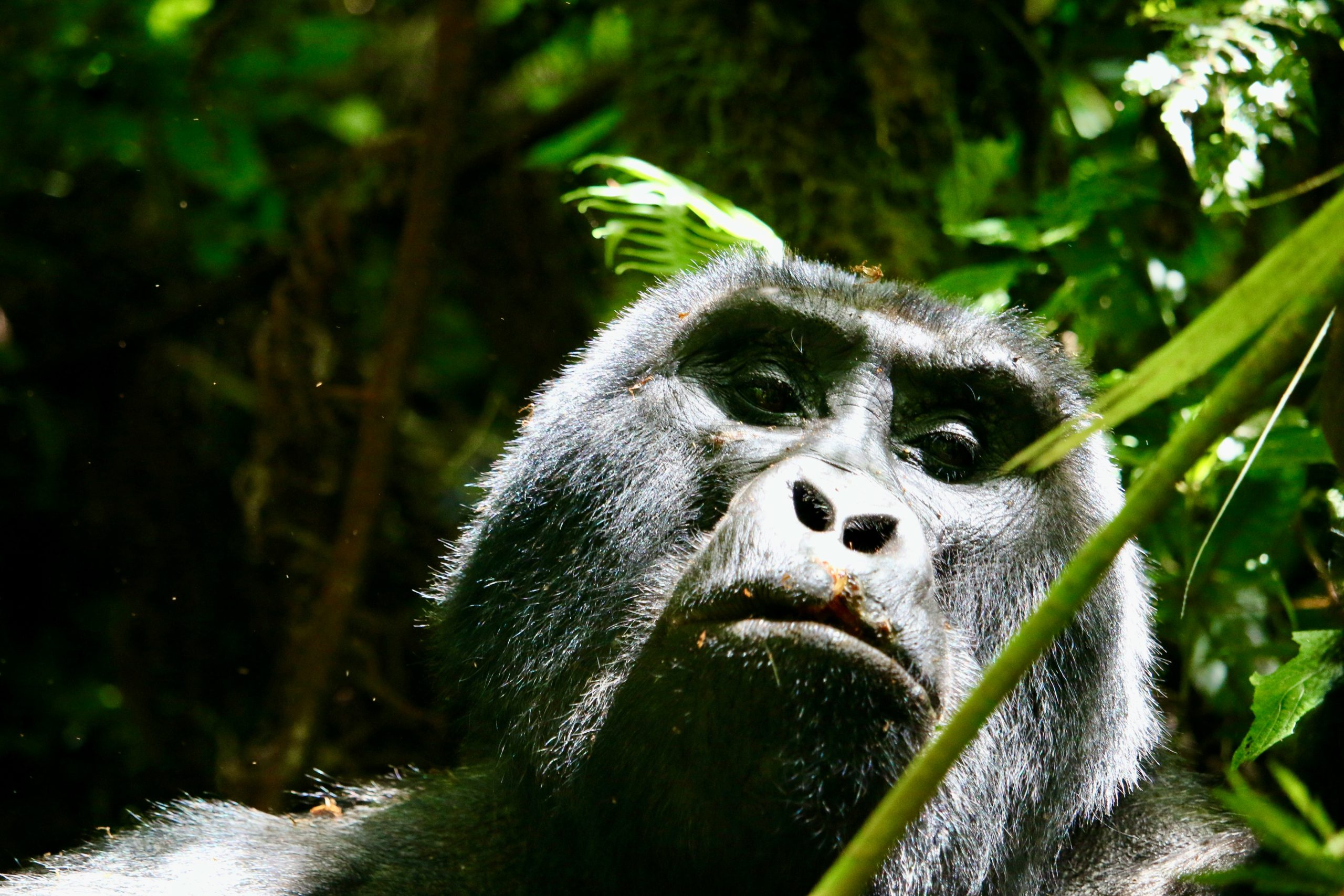
Best Time to Visit Uganda for Gorilla Trekking
Best Time to Visit Uganda for Gorilla Trekking
Best Time to Visit Uganda for Gorilla Trekking: A Complete Seasonal Guide
Mountain gorilla trekking is the crown jewel of Uganda safaris, and choosing the right time to travel can transform the experience from a challenging hike into a comfortable and deeply rewarding wildlife encounter. Uganda offers gorilla trekking every day of the year, but the quality of the trails, the density of visitors, and the overall comfort of the journey vary significantly across seasons. This guide breaks down Uganda’s seasonal patterns, explains what each window offers, and helps you align your travel dates with the trekking experience you want, all with the expertise of Turkana Wildlife Safaris Uganda.
Understanding Uganda’s Two Dry Seasons
Uganda’s climate is shaped by two distinct dry seasons, and these are widely regarded as the best windows for gorilla trekking. The long dry season runs from June through September, while the short dry season spans mid December through February. During these months, forest trails in Bwindi Impenetrable National Park firm up, reducing the slip and mud that can make trekking strenuous. Visibility through the undergrowth also improves, giving you clearer views of gorilla families as they move through the forest.
The long dry season from June to September is the most popular trekking window, and for good reason. Trails are at their most accessible, the weather is reliably warm, and the overall trekking experience is smoother for visitors of all fitness levels. The short dry season from December to February offers a second excellent window, often with slightly fewer visitors than the mid year peak, making it an attractive alternative for travelers who want strong conditions without the fullest possible lodges and trail groups.
The Wet Seasons: Fewer Crowds, Lush Forests, and Lower Prices
Uganda’s wet seasons fall between March and May and October and November. These months bring heavier rainfall, which can make forest trails muddy and more demanding. However, the wet seasons are far from a poor choice for gorilla trekking. The forests become extraordinarily lush and photogenic, and the reduced visitor numbers create a more intimate atmosphere on the trails.
The most practical advantage of traveling during the wet season is value. Gorilla permits become easier to secure, lodges often reduce their rates, and the overall cost of a safari can drop considerably compared with the peak dry months. Uganda’s low season gorilla permit pricing has also made these months more accessible, with discounted rates available for April, May, and November in recent years. For travelers who prioritize solitude, photography, and budget flexibility over perfectly firm trails, the wet season can be a smart and rewarding choice.
Month by Month Trekking Conditions
January and February sit within the short dry season and offer warm days, cool nights, and excellent trekking conditions. February is often noted as one of the driest months, with great visibility and comfortable hiking. These months are ideal for travelers who want strong conditions without the full intensity of the mid year peak.
March through May mark the transition into the heavier rains. March still offers good trekking early in the month before the rains settle in, while April and May bring the heaviest rainfall and the most challenging trail conditions. These months reward travelers with fewer crowds, lower prices, and a dramatically green forest.
June through September form the long dry season and the most coveted trekking window of the year. Trails are firm, wildlife viewing is reliable, and the overall safari infrastructure operates at full capacity. June in particular is highly sought after, and permits for this period tend to thin out well in advance.
October and November bring the short rains. October is a shoulder month with lighter rainfall than the spring wet season, while November is often included in low season permit pricing. These months offer a balance of manageable conditions and reduced visitor traffic.
December transitions into the short dry season, with trails firming up beautifully by mid month and festive season demand bringing strong energy to lodges across Bwindi.
How to Choose the Right Window for Your Trek
The best time for your gorilla trekking safari depends on what matters most to you.
If easy hiking conditions and reliable weather are your priority, aim for the long dry season from June to September or the short dry season from December to February. These windows deliver the firmest trails and the most predictable trekking experience.
If value and solitude matter more than perfect trail conditions, consider the wet season months of April, May, and November. You will encounter fewer visitors, benefit from lower lodge rates and easier permit availability, and experience Bwindi at its most verdant. Gorilla trekking success rates remain high throughout the year, and the gorillas themselves do not migrate with the seasons.
If you are traveling on a specific schedule, rest assured that gorilla trekking operates every day of the year regardless of weather. The experience of spending an hour with a habituated mountain gorilla family is extraordinary in any season, and the forest has its own character in every month.
Start Planning with Turkana Wildlife Safaris Uganda
Turkana Wildlife Safaris Uganda offers a range of carefully designed gorilla trekking packages that can be tailored to your preferred travel dates and seasonal priorities. Whether you are drawn to the firm trails of the dry season or the lush solitude of the wet months, the right itinerary makes all the difference.
The 5 Days Uganda Gorilla and Chimpanzee Trekking combines gorilla trekking in Bwindi with chimpanzee tracking in Kibale, making it an efficient choice for primate lovers with limited time. For a broader wildlife experience, the 8 Day Uganda Wildlife and Gorilla Trekking Safari adds Murchison Falls, Queen Elizabeth National Park, and Kibale to the gorilla highlight, creating a comprehensive Uganda safari. Travelers seeking a dedicated gorilla focused journey can explore the 7 Days Gorilla Trekking and Wildlife Safari Uganda , while those who prefer premium comfort can consider the 8 Days Luxury Primates Safari Uganda with private transportation and high end lodges.
For longer journeys that combine gorillas with chimpanzees, game drives, and lake scenery, the 9 Days Uganda Wildlife Safari with Gorillas and Chimpanzee offers an in depth exploration of Uganda’s premier parks. Couples and private groups can also explore the 6 Days Luxury Primates Safari Uganda Rwanda for a cross border primate adventure.
Frequently Asked Questions
What is the absolute best month for gorilla trekking in Uganda?
There is no single best month, but the dry season months from June to September and December to February consistently offer the easiest trekking conditions and the most reliable weather. Within those windows, February and June are often highlighted for particularly strong conditions.
Can I trek gorillas during the rainy season?
Yes. Gorilla trekking operates every day of the year. The wet seasons bring muddier trails and a higher chance of rain, but they also offer lush scenery, fewer visitors, and lower prices.
How far in advance should I book a gorilla permit?
Permits for the peak dry season months can sell out several months in advance, so early booking is strongly recommended for June through September and December through February. Wet season permits are generally easier to secure with shorter notice.
Are gorilla sightings guaranteed in the wet season?
Gorilla trekking success rates remain high throughout the year, and habituated gorilla families are tracked daily regardless of season. The gorillas do not migrate, so the encounter itself is not dependent on dry weather.
What should I pack for gorilla trekking in different seasons?
For dry season treks, lightweight layers, a sun hat, and sturdy hiking boots are essential. For wet season treks, add a waterproof jacket, gaiters, and quick dry clothing. A walking stick is useful in muddy conditions and can usually be arranged locally.
Conclusion
The best time to visit Uganda for gorilla trekking is the window that matches your priorities. Choose the dry seasons from June to September or December to February for the firmest trails and the most predictable trekking conditions. Choose the wet seasons for lush forests, quieter trails, and meaningful cost savings. Whenever you travel, the encounter with a mountain gorilla family in Bwindi Impenetrable National Park remains one of Africa’s most profound wildlife experiences.
With Turkana Wildlife Safaris Uganda, you can match your travel dates to the right seasonal conditions and build an itinerary that makes the most of your Uganda safari. Explore the packages above, plan around the season that suits you, and prepare for a gorilla trekking adventure that delivers on every level.