
Uganda Safari Itineraries and Travel Planning
Uganda Safari Itineraries and Travel Planning
Uganda Safari Itineraries and Travel Planning: Your Complete Guide to the Pearl of Africa
Uganda is one of Africa’s most rewarding safari destinations. In a single journey you can track mountain gorillas through misty rainforests, watch chimpanzees swing through ancient trees, cruise past hippos and elephants on the Nile, and scan open savannah for lions and giraffes. For travellers who want variety without sacrificing depth, Uganda delivers an extraordinary range of wildlife and landscapes within a compact and accessible circuit. This guide from Turkana Wildlife Safaris Uganda covers everything you need to plan a memorable Uganda safari, from choosing the right itinerary to understanding the best time to travel and what to pack.
Why Choose Uganda for Your Safari
Uganda is often called the Pearl of Africa, and the name still fits. The country packs gorillas, chimpanzees, big game, birdlife, and dramatic scenery into a relatively small area, which means less time in transit and more time in the wild. Uganda is also the only country where you can combine classic savannah game drives with mountain gorilla trekking and chimpanzee tracking on a single route. Whether you have five days or two weeks, Turkana Wildlife Safaris Uganda designs itineraries that match your interests, pace, and budget.
Top Safari Destinations in Uganda
Understanding Uganda’s key destinations is the first step in building the right itinerary. Each park offers a distinct experience, and the best safaris combine several of them into a logical loop.
Bwindi Impenetrable National Park
Bwindi is the headline destination for most Uganda safaris. This UNESCO World Heritage Site protects roughly half of the world’s remaining mountain gorillas, and trekking here is one of the great wildlife encounters on the planet. A typical gorilla trek involves a guided hike through dense forest, followed by one unforgettable hour in the presence of a habituated gorilla family. Turkana Wildlife Safaris Uganda offers a 3-Day Luxury Gorilla Trekking and Lake Bunyonyi Relaxation package that pairs gorilla trekking with the serene beauty of Lake Bunyonyi, making it an ideal short escape for travellers with limited time.
Kibale National Park
Kibale is widely regarded as the best place in East Africa for chimpanzee trekking. The forest supports thirteen primate species and offers a chimpanzee sighting success rate of around ninety percent. A morning trek in Kibale is fast, loud, and completely different in character from the quiet stillness of a gorilla encounter. For travellers who want to combine chimpanzees with big game, the 5 Days Big 5 Safari and Chimp Trekking itinerary connects Kibale with Murchison Falls and includes rhino tracking at Ziwa Rhino Sanctuary.
Queen Elizabeth National Park
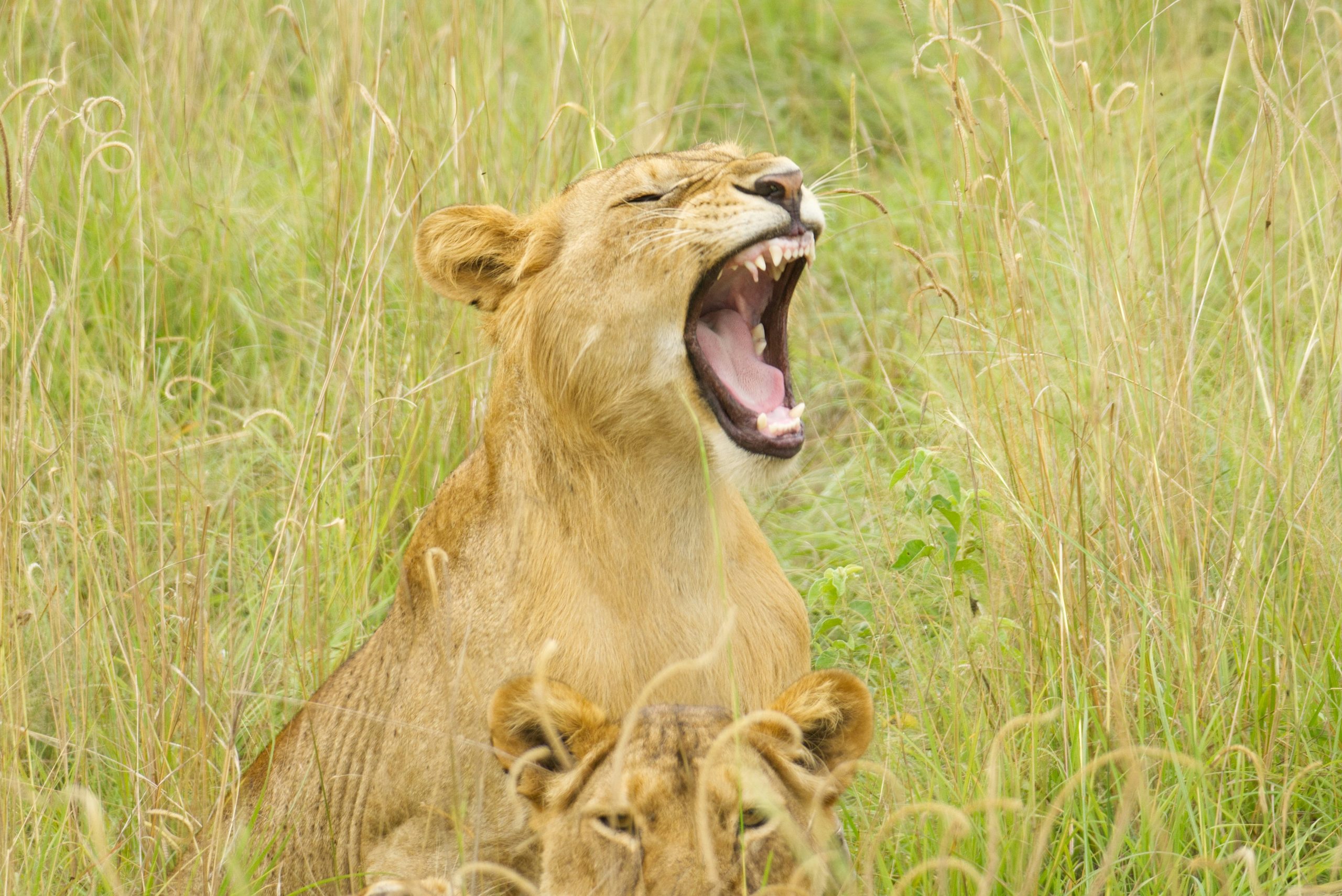
Queen Elizabeth is Uganda’s most popular savannah park and the classic game viewing heart of a Uganda safari. The park is famous for its tree climbing lions in the Ishasha sector and for the Kazinga Channel boat cruise, which floats past one of the densest concentrations of hippos and elephants anywhere in Africa. The 5 Day Gorilla Trekking and Queen Elizabeth Safari from Kampala combines gorilla trekking in Bwindi with game drives and a Kazinga Channel cruise in Queen Elizabeth, creating a perfectly balanced short safari.
Murchison Falls National Park
Murchison Falls is Uganda’s largest and oldest conservation area. Here the entire Victoria Nile is forced through a seven metre gorge, creating the most powerful waterfall in the country. The surrounding savannah is home to lions, elephants, giraffes, buffaloes, and a wealth of birdlife. A boat safari to the base of the falls is a highlight of any northern circuit. The 3-Day Murchison Falls National Park in Uganda package offers an efficient introduction to the park, including game drives, a Nile boat cruise, and a stop at Ziwa Rhino Sanctuary.
Kidepo Valley National Park
Kidepo is Uganda’s most remote and least visited park, rewarding travellers with a true wilderness experience. Its isolated location means fewer crowds and a sense of exclusivity, with good chances of seeing elephants, buffaloes, giraffes, zebras, and predators. Kidepo works best as part of a longer northern itinerary. The 7-Days Chimpanzee Trekking and Wildlife Safari Experience links Kibale, Murchison Falls, and Kidepo into a comprehensive exploration of Uganda’s primate and savannah habitats.
Sample Uganda Safari Itineraries
The right itinerary depends on your available time and your priority wildlife experiences. The following structures are a useful starting point, and Turkana Wildlife Safaris Uganda can tailor any of them to your preferences.
Short Safaris: 3 to 5 Days
Short safaris focus on one or two headline experiences. A three day gorilla trekking safari from Kampala or Entebbe is the minimum for travellers whose primary goal is mountain gorillas. A five day safari can combine gorillas with Queen Elizabeth National Park or chimpanzees with Murchison Falls. These itineraries suit travellers with tight schedules or those adding a Uganda extension to a longer East African trip.
Classic Safaris: 7 to 9 Days
Seven to nine days is the sweet spot for a first Uganda safari. This duration allows you to combine gorillas, chimpanzees, and at least one savannah park without feeling rushed. The 9-Days Uganda Wildlife Safari with Gorillas and Chimpanzee is a complete primate and wildlife circuit covering Kibale, Queen Elizabeth, Bwindi, and Lake Bunyonyi. For travellers who want more birding alongside primates, the 8 Days Birding and Gorilla Trekking Uganda adds Shoebill tracking at Mabamba Swamp and Albertine Rift endemics to the gorilla experience.
Extended Safaris: 10 Days and Beyond
With ten days or more, you can add remote Kidepo Valley, include the Nile delta for Shoebill storks, or slow down with extra nights in Queen Elizabeth and Bwindi. Extended itineraries also allow for internal flights between parks, saving long drives and maximising time in the wild.
Uganda Safari Travel Planning Essentials
Best Time to Visit Uganda
Uganda can be visited year round, but the dry seasons from June to September and December to February are the most popular for gorilla trekking, chimpanzee tracking, and game viewing. Trails are firmer, wildlife is easier to spot, and road conditions in the parks are generally better. The wet seasons from March to May and October to November bring lush landscapes and fewer crowds, but trekking can be more challenging and some roads may become difficult. Gorilla permits are limited and should be secured well in advance, especially for the peak dry season months.
Gorilla and Chimpanzee Permits
Gorilla trekking permits are the single most important booking on a Uganda safari. Permits are issued by the Uganda Wildlife Authority and are required for every trekker. Because numbers are limited and there is no waitlist system, permits for popular months can sell out months ahead. Chimpanzee permits for Kibale are easier to obtain but the morning session is the most sought after. Turkana Wildlife Safaris Uganda handles permit arrangements as part of its safari packages so that you can focus on the experience rather than the logistics.
What to Pack for a Uganda Safari
Packing well makes a significant difference to your comfort and enjoyment. Essential items include sturdy waterproof hiking boots that have been broken in before travel, long trousers and long sleeved shirts for forest walks, a waterproof rain jacket, garden gloves for gripping vegetation during treks, and gaiters if you have them. Bring insect repellent with DEET, a head torch, a refillable water bottle, and a universal power adapter, as Uganda uses UK style Type G plugs. A yellow fever vaccination certificate is mandatory for entry, and malaria prevention is strongly recommended for all travellers visiting rural and park areas. Carry a basic first aid kit and any prescription medications in your hand luggage.
Health and Entry Requirements
All travellers to Uganda should be up to date on routine vaccinations and carry a yellow fever certificate, which is required for entry. Malaria prophylaxis is strongly recommended, particularly for visitors spending time in rural and park areas. Consult a travel health clinic four to six weeks before departure to discuss the right anti malarial option for your health profile and trip duration. Travel insurance that covers medical evacuation is also an important part of safari planning.
Getting Around Uganda
Most Uganda safaris use a private 4×4 safari vehicle with a driver guide. This is the most flexible and comfortable way to travel between parks, and it allows you to stop for wildlife sightings and photography along the way. Drive times between the main parks are manageable, but some transfers are long. For example, the drive from Entebbe to Kibale takes around five to six hours, while the connection between Murchison Falls and Kibale can take seven to eight hours. Internal flights are available between Entebbe and airstrips near Murchison Falls, Kidepo, and Bwindi, and can save significant road time on longer itineraries.
Frequently Asked Questions About Uganda Safaris
How many days do I need for a Uganda safari?
A minimum of three days is required for gorilla trekking, but seven to nine days is ideal for combining gorillas, chimpanzees, and savannah wildlife without feeling rushed. Ten days or more allows you to add remote parks like Kidepo and include internal flights.
When is the best time to visit Uganda for a safari?
The dry seasons from June to September and December to February offer the best conditions for gorilla trekking, chimpanzee tracking, and game viewing. The wet seasons bring lush scenery and fewer crowds but can make forest trails and park roads more challenging.
Is gorilla trekking in Uganda difficult?
Gorilla trekking involves hiking through dense forest, sometimes for several hours and over uneven terrain. The difficulty varies depending on where the gorilla family is located on the day. A reasonable level of fitness is helpful, but porters are available to carry bags and assist trekkers.
How much does a Uganda safari cost?
Costs vary widely depending on the length of the safari, the level of accommodation, and the activities included. Budget safaris start at around $250 to $350 per person per day, while mid range and luxury options cost more. Gorilla permits are a significant additional cost and should be factored into your budget.
Do I need a visa to visit Uganda?
Most international visitors need a visa to enter Uganda. The East Africa Tourist Visa is a convenient option for travellers visiting Uganda, Kenya, and Rwanda, as it covers all three countries on a single visa. Check the latest requirements with your nearest Ugandan embassy or online visa portal before travel.
Can I combine gorilla trekking with a traditional safari?
Yes. Uganda is one of the few countries where you can combine mountain gorilla trekking with classic savannah game drives, chimpanzee tracking, and boat safaris on the Nile or Kazinga Channel. A seven to nine day itinerary is usually enough to include both primate and savannah experiences.
Is Uganda safe for safaris?
Uganda’s national parks and safari areas are well managed for tourism. Travellers should follow standard safari precautions, listen to their guides, and respect wildlife distances. Health precautions, including yellow fever vaccination and malaria prevention, are an important part of preparing for any Uganda safari.
Conclusion
A Uganda safari is one of Africa’s most complete wildlife experiences. Few destinations allow you to track mountain gorillas in the morning, cruise past hippos on the Nile in the afternoon, and scan savannah for lions and giraffes the next day, all within a single, well planned journey. The key to a successful trip lies in choosing the right itinerary for your interests and timeframe, booking gorilla permits early, travelling in the dry seasons for the best conditions, and packing appropriately for forest trekking and savannah game drives. Turkana Wildlife Safaris Uganda offers a range of carefully designed packages, from short gorilla escapes and classic primate circuits to extended explorations that include Kidepo and Murchison Falls. Whether you have three days or two weeks, the team can tailor an itinerary that matches your pace and priorities, so you can focus on the wildlife and the landscapes that make Uganda the Pearl of Africa.
For more information and to start planning your journey, explore the full collection of Uganda safari packages from Turkana Wildlife Safaris Uganda.