
Uganda Safari Packing List for International Travelers
Uganda Safari Packing List for International Travelers
The Ultimate Uganda Safari Packing List for International Travelers: What to Bring for an Unforgettable Adventure
Packing for a Uganda safari is unlike packing for any other trip. The Pearl of Africa throws a spectacular mix of climates, terrains, and experiences at you, often all in a single day. You could be shivering in the misty highlands of Bwindi Impenetrable Forest in the morning, hiking through dense rainforest in search of mountain gorillas by midday, and enjoying warm savannah breezes on an afternoon game drive in Queen Elizabeth National Park. Get your kit right and every moment is comfortable, practical, and focused on the wildlife. Get it wrong and you will be cold, wet, bitten, or weighed down by unnecessary luggage.
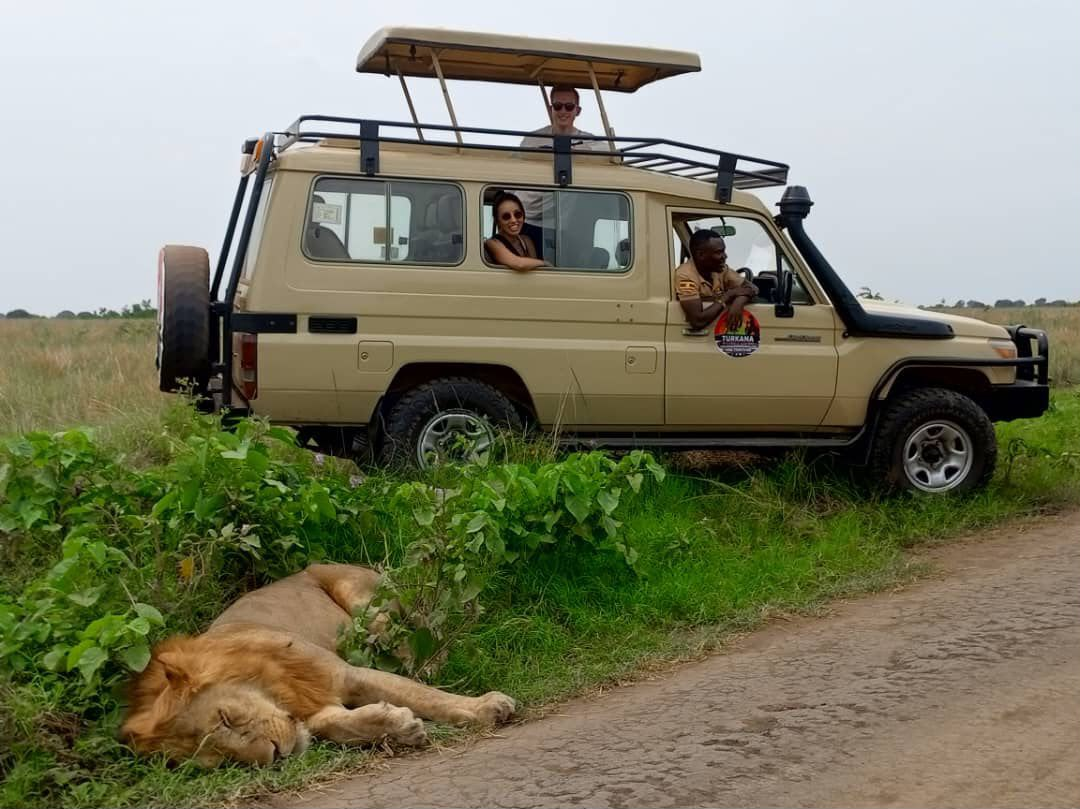
This comprehensive guide, crafted for international travelers, breaks down exactly what to pack for a Uganda safari. From essential documents and layered clothing to trekking gear and health supplies, you will find everything you need to prepare for an incredible journey with Turkana Wildlife Safaris Uganda.
Why a Smart Packing List Makes All the Difference
The consequences of poor packing on a Uganda safari are real. White or bright clothing can make wildlife spot you before you see them. Cotton shirts stay wet for hours after a tropical downpour. Inadequate footwear leads to blisters and twisted ankles on muddy, steep trails. No insect repellent increases your risk of mosquito bites. And forgetting a rain jacket can turn a magical forest trek into a cold, miserable slog.
The golden rules are simple. Choose neutral colors, dress in layers, and make sure everything critical is waterproof. Packing correctly also matters for domestic flights, which have strict weight limits and require soft-sided bags.
Essential Documents for Your Uganda Safari
Your paperwork is the foundation of your entire trip. No amount of high-tech gear can compensate for a missing document at the airport or park gate.
Passport. Your passport must be valid for at least six months beyond your arrival date and have a minimum of two blank pages for stamps and visa stickers.
Uganda Visa. Most international visitors need a tourist visa. Apply online for the Uganda e-visa at least two to four weeks before departure and print a copy of your approval to carry with you.
Yellow Fever Vaccination Certificate. This is mandatory for entry into Uganda. The vaccine must be administered at least ten days before travel and documented in the International Certificate of Vaccination or Prophylaxis, commonly known as the yellow card. Carry the original certificate, as digital copies are not always accepted.
Gorilla and Chimpanzee Trekking Permits. If your itinerary includes primate trekking, carry printed or digital copies of your permits alongside your passport. You will present both at the park briefing point on the morning of your trek.
Travel Insurance Certificate. Print a copy that includes your policy number and emergency contact details. Ensure your policy covers medical evacuation, trip cancellation, and the specific activities on your itinerary, particularly gorilla trekking, which some standard policies exclude.
Flight Confirmations and Safari Itinerary. Keep both printed and digital copies of your entry and exit flights, lodge confirmations, and permit details.
Clothing for Uganda’s Diverse Climate
Uganda straddles the equator but its altitude creates dramatic temperature swings. Mornings in the Bwindi highlands can drop to around 10°C (50°F), while afternoons in Murchison Falls National Park can soar to 30°C (86°F) or more. Layering is your strategy.
Color Rules for Safari Clothing
Neutral, earth-toned colors are essential. Khaki, olive, tan, brown, and dark green blend with the environment and help you avoid startling wildlife. Avoid white, which stands out and shows dust instantly. Bright reds, yellows, and oranges can scare animals. Black and dark blue should be limited because they can attract tsetse flies in some regions. Camouflage patterns are not recommended in Uganda, as they can cause confusion with military clothing.
Core Clothing Checklist
Long-sleeved shirts in neutral colors. Pack three to four lightweight, breathable options. These protect against sun, insects, and thorny vegetation on the trail.
Long trousers. Bring two to three pairs of lightweight, quick-dry trekking trousers. Tuck them into your socks to prevent ants and bites on forest walks.
Short-sleeved shirts. Two to three for evenings at the lodge and warmer savannah afternoons.
Shorts. One or two pairs for lodge downtime and boat safaris, not for trekking.
Warm fleece or lightweight jacket. One is essential for cold highland mornings around Bwindi, Mgahinga, and Kibale.
Waterproof rain jacket. A lightweight, packable waterproof jacket is non-negotiable. Uganda’s equatorial location means rain can arrive without warning in any month, and in the rainforest it can arrive regardless of season.
Waterproof pants. For wet season travel, typically March to May and September to November.
Wide-brimmed hat. For sun protection on open-vehicle game drives and boat safaris.
Beanie or warm hat. For cold mornings at high altitude in Bwindi.
Scarf or buff. Protects against dust on game drives and can cover shoulders during cultural visits.
Swimsuit. Many lodges have pools, and Lake Bunyonyi offers swimming.
Underwear and socks. Moisture-wicking underwear for each day and five to six pairs of hiking wool-blend socks to prevent blisters.
Fabric Recommendations
Merino wool is the best choice because it stays warm when wet and resists odor. Nylon and polyester are good quick-dry options. Avoid cotton entirely because it absorbs water, dries slowly, and becomes cold when wet.
Footwear: The Most Important Item in Your Bag
Waterproof hiking boots. This is the single most important purchase for a Uganda safari. Choose ankle-high boots with deep tread for mud and steep, slippery trails. Break them in for two to four weeks before travel to avoid blisters. Lightweight trainers are not sufficient for Bwindi’s muddy, rooted terrain.
Comfortable walking shoes or sandals. For lodges, airports, and casual evenings.
Gardening-style gloves. These protect your hands from stinging nettles and thorny vines while pulling yourself up slopes in the gorilla forest. Every experienced trekker recommends them.
Gaiters. Lightweight nylon gaiters keep mud, water, and ants out of your boots.
Rubber boots. You can rent gumboots locally during the wet season for a small fee.
Trekking Gear and Equipment
Daypack. A 20 to 30 liter daypack carries water, lunch, rain gear, camera, and an extra layer. Keep it light because you will be climbing.
Dry bags or zip-lock bags. Protect electronics and documents from rain and humidity.
Headlamp or flashlight. Essential for lodge pathways after dark and early morning starts.
Binoculars. Highly recommended for game drives and birding. An 8x or 10x magnification is ideal.
Walking stick. Provided free by the Uganda Wildlife Authority at park headquarters.
Camera and Photography Gear
A good camera makes a massive difference on safari. For game drives, a telephoto lens in the 200 to 400mm range lets you capture distant wildlife. For gorilla trekking, a fast wide-angle to mid-zoom lens such as a 24 to 70mm works better in the dark forest. Remember that flash photography is not allowed near gorillas. Bring extra memory cards and batteries, as there is no camera shop in Bwindi. A waterproof camera bag or dry sack protects your gear during forest treks.
Health and Medical Kit
Antimalarial medication. Malaria is present year round in Uganda, with higher risk in low-altitude areas such as Murchison Falls and Queen Elizabeth National Park. Consult your doctor about options such as Malarone, Doxycycline, or Lariam, and begin the course according to the prescribed timing before travel.
Insect repellent with DEET. A concentration of 30 to 50 percent is most effective.
Sunscreen SPF 50 plus. The equatorial sun is intense even on cloudy days.
Personal prescription medications. Bring enough for your entire trip plus five extra days. Carry them in hand luggage with a doctor’s note if necessary.
Basic over-the-counter medications. Include antihistamines, pain relievers, anti-diarrheal tablets, oral rehydration salts, antiseptic cream, bandages, and blister treatment.
Hand sanitizer and wet wipes. Essential for hygiene on dusty game drives and during treks.
Lip balm with SPF and moisturizer..
Water purification tablets. A backup for bottled water.
Electronics and Accessories
Uganda uses UK-style three-pin plugs, known as Type G. Travelers from the United States and Europe will need an adapter. Most safari lodges have charging facilities, but some bush camps have limited power hours. Bring a portable power bank with a minimum capacity of 10,000mAh. A travel adapter and a spare memory card for your camera round out the essentials.
Luggage Tips and Domestic Flight Restrictions
If your itinerary includes domestic flights between Entebbe and the parks, typically on airlines such as Aerolink or Bar Aviation, the weight limit is strict. Passengers are allowed 15 kilograms or 33 pounds total, and this includes both checked luggage and your carry-on daypack.
Soft-sided duffel bags are mandatory. Hard-shell suitcases do not fit into the small cargo holds of bush planes. Plan to roll your clothing and use stuff sacks to maximize space.
Cultural Considerations for Respectful Travel
Uganda is a welcoming country, and dressing modestly shows respect, especially in rural villages and cultural sites. When visiting communities, schools, churches, or places of worship, cover your shoulders and wear trousers or skirts that reach the knee. Avoid overly revealing clothing. Neutral safari attire is generally appropriate, but adding a scarf or wrap to cover your shoulders is a thoughtful gesture during cultural interactions.
Frequently Asked Questions About Uganda Safari Packing
What is the most important item to pack for a Uganda safari?
Waterproof, ankle-high hiking boots with deep tread are the single most important item. Gorilla and chimpanzee treks involve steep, muddy, and slippery trails, and inadequate footwear can lead to blisters and injuries that ruin your trip.
How much luggage can I bring on domestic flights in Uganda?
Domestic safari flights typically allow 15 kilograms or 33 pounds total per passenger, including both checked luggage and your carry-on daypack. Soft-sided duffel bags are required because small planes have limited cargo space.
Do I need a yellow fever vaccination to enter Uganda?
Yes. A yellow fever vaccination certificate is mandatory for entry into Uganda. The vaccine must be administered at least ten days before travel and documented on your International Certificate of Vaccination or Prophylaxis. Carry the original certificate, as digital copies are not always accepted.
What colors should I avoid wearing on a Uganda safari?
Avoid white because it stands out and shows dust instantly. Avoid bright reds, yellows, and oranges because they can scare wildlife. Limit black and dark blue because they can attract tsetse flies. Do not wear camouflage patterns, which can be confused with military clothing.
Is it cold in Bwindi Impenetrable Forest?
Yes. Bwindi sits at high altitude, and nighttime and early morning temperatures can drop to around 10°C or 50°F. A warm fleece, a beanie, and a scarf or buff are essential for gorilla trekking mornings.
Can I rent trekking gear in Uganda instead of bringing it?
Some items can be rented locally. Rubber boots for wet season treks are available for a small fee, and walking sticks are provided free by the Uganda Wildlife Authority at park headquarters. However, hiking boots, rain jackets, and gardening gloves should be brought from home for proper fit and reliability.
What should I pack for a birding safari in Uganda?
Bring binoculars with 8x or 10x magnification, a telephoto camera lens, neutral-colored clothing, a wide-brimmed hat, insect repellent, and a rain jacket. A lightweight daypack for water and snacks is also useful. Turkana Wildlife Safaris Uganda offers an 8 Day Budget Birding and Cultural Uganda Tour that covers key birding sites such as Mabamba Wetland and Murchison Falls National Park.
Plan Your Uganda Safari with Turkana Wildlife Safaris Uganda
Packing correctly is one half of a great safari. The other half is choosing the right operator and itinerary. Turkana Wildlife Safaris Uganda offers a range of well-designed packages that match different travel styles and budgets.
For primate lovers, the 3 Day Gorilla Trekking Permit and Safari Package includes your gorilla permit, transport in a 4×4 safari vehicle, two nights of accommodation, and guided trekking in Bwindi Impenetrable National Park. If you prefer a more comfortable experience, the 3 Day Luxury Gorilla Trekking Bwindi package combines wildlife discovery with premium comfort.
For savannah wildlife and dramatic landscapes, the 3 Days Budget Murchison Falls package starts from $750 per person sharing and covers game drives, a boat cruise on the Nile, and the spectacular Murchison Falls.
For birders and culture enthusiasts, the 8 Days Budget Birding and Cultural Uganda Tour explores Mabamba Wetland for the rare Shoebill Stork, Jinja’s cultural attractions, and Murchison Falls National Park, with comfortable budget accommodation throughout.
For chimpanzee tracking, the 3 Days Chimpanzee Trekking in Kibale package starts from $800 per person sharing and takes you into Kibale Forest National Park, one of Africa’s premier primate destinations.
Browse the full range of Budget Safari Packages and Mid Range Safaris on the Turkana Wildlife Safaris Uganda website to find the itinerary that fits your travel dates, group size, and budget.
Conclusion
A Uganda safari is a once-in-a-lifetime adventure, and the right packing list turns a good trip into an extraordinary one. Prioritize neutral, layered clothing, invest in waterproof hiking boots, carry all essential documents including your yellow fever certificate, and pack a comprehensive health kit. Respect local culture by dressing modestly, and always check the luggage limits for domestic flights before you fly.
With the right gear in your bag and the right operator by your side, you are ready to experience the magic of Uganda. Turkana Wildlife Safaris Uganda is ready to help you plan every detail, from gorilla permits and game drives to birding excursions and cultural encounters. Visit turkanawildlifesafaris.com today to explore packages and start planning your unforgettable Ugandan safari.