
Uganda Primate Safaris: Gorillas, Chimpanzees and Monkeys
Uganda Primate Safaris: Gorillas, Chimpanzees and Monkeys
Uganda Primate Safaris: Gorillas, Chimpanzees and Monkeys
Uganda is one of the few places on Earth where you can encounter mountain gorillas, chimpanzees, and a remarkable variety of monkeys within a single journey. Often called the Pearl of Africa, this country packs an extraordinary concentration of primates into a compact and accessible landscape. Whether you dream of locking eyes with a silverback in Bwindi or listening to the dawn chorus of chimpanzees in Kibale, a Uganda primate safari delivers encounters that stay with you forever. With Turkana Wildlife Safaris Uganda, you can explore these forests through carefully designed packages that balance wildlife viewing, comfort, and authentic local experiences.
Why Uganda Is Africa’s Premier Primate Destination
Uganda sits at the convergence of savannah, rainforest, and highland ecological zones, creating a biodiversity hotspot unlike any other. The country is home to more than 15 primate species, including mountain gorillas, chimpanzees, golden monkeys, colobus monkeys, mangabeys, baboons, and bush babies. It shelters roughly half of the world’s remaining mountain gorillas and supports one of the highest densities of chimpanzees in Africa. This means you do not have to choose between great apes and monkeys; a well planned safari can include all of them.
Mountain Gorillas: The Ultimate Encounter
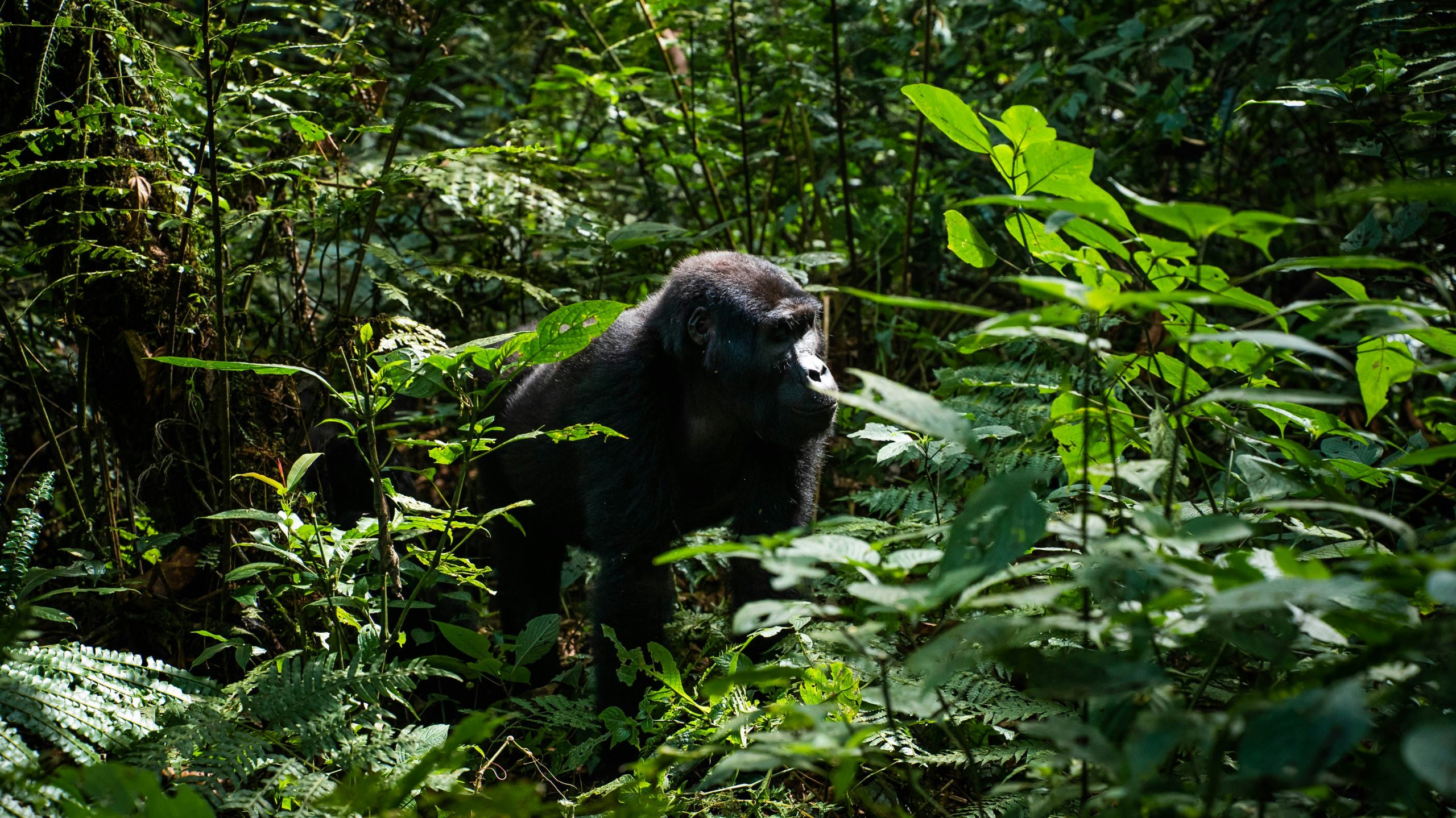
Gorilla trekking is the flagship experience of any Uganda primate safari. In Bwindi Impenetrable National Park and Mgahinga Gorilla National Park, ranger led treks take you deep into ancient rainforest to spend one precious hour with a habituated gorilla family. Bwindi alone hosts around 19 habituated groups across four sectors, while Mgahinga has one family on the slopes of the Virunga volcanoes.
What to expect
Treks can range from 30 minutes to several hours depending on where the gorillas are that morning. The terrain is often steep and muddy, but porters are available to assist, and the reward is immeasurable. A standard gorilla permit costs USD 800 per person, and permits are limited, so early booking is essential. The best months for trekking are the dry seasons from June to September and December to February, when trails are firmer and conditions are more comfortable. For a seamless gorilla trekking experience, Turkana Wildlife Safaris Uganda offers packages such as the 5 Day Bwindi Gorillas and Kibale Chimps Safari and the 6 Days Gorilla and Chimpanzee Trekking with Wildlife Safari.
Chimpanzees: The Primate Capital of East Africa
Kibale National Park is widely regarded as the best place in Uganda for chimpanzee tracking. The forest is home to over 1,500 chimpanzees and boasts the greatest concentration of primates in East Africa. A chimpanzee trek typically lasts two to three hours, and you are guaranteed one hour in the presence of these fascinating apes once they are located. Beyond chimpanzees, Kibale’s lush rainforest shelters 13 primate species, including red colobus, black and white colobus, L’Hoest’s monkeys, and grey cheeked mangabeys.
Turkana Wildlife Safaris Uganda includes chimpanzee tracking in many of its itineraries. The 9 Days Uganda Wildlife Safari with Gorillas and Chimpanzee combines Kibale’s chimps with gorilla trekking in Bwindi and a visit to Lake Bunyonyi, while the 8 Days Luxury Primates Safari Uganda offers a more indulgent pace with premium lodges and private guiding.
Monkeys: The Hidden Gems of Uganda’s Forests
While gorillas and chimpanzees steal the spotlight, Uganda’s monkeys add color, curiosity, and constant motion to every forest walk. Kibale National Park alone hosts 13 primate species, and Bwindi and Mgahinga are equally rich. Look for golden monkeys in the bamboo forests of Mgahinga, red tailed monkeys crashing through the canopy, and vervet monkeys and olive baboons along the forest edges. These smaller primates are often seen during nature walks, boat safaris, and game drives, making every day of your safari a primate experience.
Best Time to Visit for a Uganda Primate Safari
The dry seasons from June to September and December to February are generally the best times for gorilla and chimpanzee trekking. Trails are firmer, hiking is easier, and wildlife viewing is more comfortable. However, the wetter months of March to May and October to November offer quieter forests, greener landscapes, and often lower permit prices, making them an attractive option for budget conscious travelers who do not mind a little mud. Regardless of season, permits for gorillas and chimpanzees should be secured well in advance, especially during peak months.
Why Choose Turkana Wildlife Safaris Uganda
Turkana Wildlife Safaris Uganda specializes in tailor made primate safaris that combine gorilla trekking, chimpanzee tracking, and monkey viewing with classic wildlife experiences in Queen Elizabeth National Park and relaxing escapes to Lake Bunyonyi. Their packages range from compact 5 day adventures to luxurious 8 day journeys, all designed to maximize your time with Uganda’s primates while ensuring comfortable lodging, expert guides, and seamless logistics. Whether you are a first time safari goer or a seasoned traveler, Turkana Wildlife Safaris Uganda provides a reliable and personalized gateway to Uganda’s primate kingdom.
Frequently Asked Questions
1. How difficult is gorilla trekking in Uganda?
Gorilla trekking can be physically demanding, involving hiking through dense forest and uneven terrain. However, it is manageable for most people with moderate fitness levels, and porters are available to carry bags and assist.
2. Do I need a permit for gorilla trekking?
Yes, a permit is mandatory. Standard permits cost USD 800 per person and should be booked several months in advance, especially during peak season.
3. Where is the best place to see chimpanzees in Uganda?
Kibale National Park is the premier destination for chimpanzee tracking, with over 1,500 chimpanzees and high sighting rates.
4. What monkeys can I see on a Uganda primate safari?
You can see golden monkeys, red colobus, black and white colobus, L’Hoest’s monkeys, red tailed monkeys, blue monkeys, grey cheeked mangabeys, vervet monkeys, and olive baboons, among others.
5. When is the best time to go for a Uganda primate safari?
The dry seasons from June to September and December to February offer the best trekking conditions. The wetter months are quieter and greener, and can be more affordable.
6. Can I combine gorillas and chimpanzees in one safari?
Absolutely. Many itineraries, including those from Turkana Wildlife Safaris Uganda, combine Bwindi gorilla trekking with Kibale chimpanzee tracking in trips ranging from 5 to 9 days.
7. What should I pack for primate trekking?
Sturdy hiking boots, long pants, long sleeved shirts, rain gear, insect repellent, a hat, sunscreen, and plenty of water are essential. A lightweight backpack and gardening gloves are also helpful for navigating dense vegetation.
Conclusion
A Uganda primate safari is more than a wildlife trip; it is a journey into the heart of Africa’s rainforests, where gorillas, chimpanzees, and monkeys live wild and free. With its exceptional biodiversity, well managed national parks, and a range of safari packages to suit every budget and travel style, Uganda stands unmatched as a primate destination. Turkana Wildlife Safaris Uganda offers the expertise, local knowledge, and personalized service to turn your primate dreams into reality. Whether you choose a short chimpanzee and gorilla escape or a luxurious multi day exploration, the forests of Uganda are waiting to share their most remarkable inhabitants with you.
Explore relevant packages from Turkana Wildlife Safaris Uganda: