
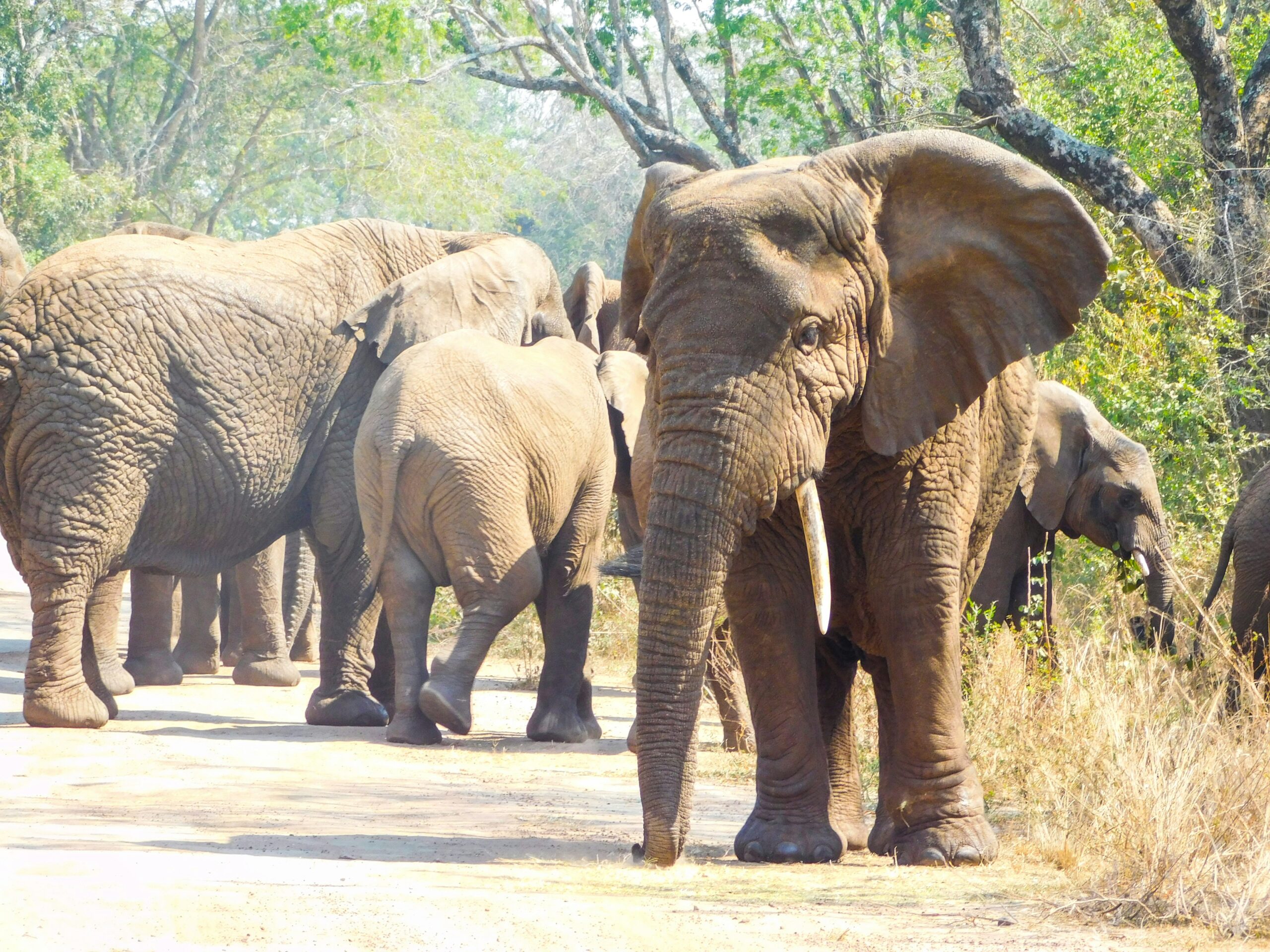
Solo Backpacking East Africa
Solo Backpacking East Africa
Solo Backpacking East Africa: A Journey of Adventure and Discovery
Introduction
Welcome to the ultimate guide to solo backpacking in East Africa! In this comprehensive article, we will take you on a thrilling journey through the diverse and enchanting landscapes of East Africa. From the stunning savannahs of Kenya to the majestic mountains of Tanzania, and the pristine beaches of Zanzibar, this region offers a wealth of experiences for adventurous travelers. Whether you are a seasoned backpacker or a first-time explorer, East Africa is sure to captivate your senses and leave you with memories that will last a lifetime.
Chapter 1: Planning Your Adventure
Choosing Your Destinations
East Africa is a vast region with numerous countries to explore. Before embarking on your solo backpacking adventure, it is essential to research and decide on the destinations that align with your interests and preferences. Some of the must-visit countries in East Africa include:
Kenya: Famous for its wildlife reserves, including the iconic Maasai Mara National Reserve, Kenya offers unparalleled opportunities for wildlife spotting and thrilling safaris.
Tanzania: Home to Mount Kilimanjaro, the highest peak in Africa, as well as the renowned Serengeti National Park and the Ngorongoro Crater, Tanzania is a paradise for nature lovers and adventure enthusiasts.
Uganda: Known as the “Pearl of Africa,” Uganda is blessed with stunning landscapes, including the breathtaking Bwindi Impenetrable Forest, where you can embark on a once-in-a-lifetime gorilla trekking experience.
Rwanda: A land of a thousand hills, Rwanda is not only famous for its mountain gorillas but also for its vibrant culture and beautiful scenery, including the stunning Lake Kivu.
Visa Requirements and Safety Precautions
Before traveling to East Africa, it is crucial to familiarize yourself with the visa requirements of the countries you plan to visit. Ensure that your passport is valid for at least six months beyond your intended departure date. Additionally, check the safety guidelines and travel advisories issued by your country’s embassy or consulate.
Budgeting and Accommodation
Solo backpacking in East Africa can be an affordable adventure if you plan your budget wisely. Research the average costs of accommodation, transportation, meals, and activities in each destination to estimate your expenses accurately. Consider staying in budget-friendly accommodations such as hostels, guesthouses, or even camping to save money.
Chapter 2: Essential Packing Tips
Clothing and Gear
When packing for your solo backpacking trip to East Africa, it is essential to pack light and prioritize versatile clothing items suitable for various weather conditions. Here are some essential items to include in your backpack:
Lightweight and breathable clothing
Comfortable hiking shoes
Rain jacket or poncho
Hat and sunglasses for sun protection
Swimsuit for beach destinations
Insect repellent and mosquito net
First aid kit
Travel Essentials
In addition to clothing and gear, there are several travel essentials that you should not forget to pack:
Valid passport and necessary visas
Travel insurance
Money belt or hidden pouch for keeping valuables safe
Portable charger and adapter for electronic devices
Reusable water bottle
Travel towel
Chapter 3: Exploring East Africa
Transportation Options
East Africa offers various transportation options for backpackers, ranging from public buses and shared taxis to domestic flights and organized tours. It is advisable to research and choose the most suitable mode of transportation based on your comfort level, budget, and the distance between destinations.
Must-Visit Destinations
Maasai Mara National Reserve, Kenya: Embark on a thrilling safari adventure in one of Africa’s most iconic wildlife reserves. Witness the Great Migration, where millions of wildebeest and zebras cross the Mara River in search of greener pastures.
Serengeti National Park, Tanzania: Immerse yourself in the vastness of the Serengeti, home to an incredible array of wildlife, including lions, elephants, and giraffes. Don’t miss the chance to witness the annual wildebeest migration, a natural spectacle like no other.
Zanzibar, Tanzania: After your safari adventures, treat yourself to a relaxing beach getaway on the idyllic island of Zanzibar. Explore the historic Stone Town, indulge in water sports, or simply unwind on the pristine white sand beaches.
Mount Kilimanjaro, Tanzania: Challenge yourself to conquer Africa’s highest peak. Embark on a multi-day trek to the summit of Mount Kilimanjaro and be rewarded with breathtaking views and a sense of accomplishment like no other.
Immersing in Local Culture
One of the most enriching aspects of solo backpacking in East Africa is the opportunity to immerse yourself in the local cultureand interact with the friendly and welcoming people of the region. Here are some ways to make the most of your cultural experiences:
Visit local markets: Explore vibrant markets where you can find unique handicrafts, traditional clothing, and delicious local food. Engage with the locals, learn about their customs, and practice your bargaining skills.
Participate in community-based tourism: Many communities in East Africa offer community-based tourism initiatives where you can stay with local families, learn about their way of life, and contribute to sustainable development projects.
Attend cultural festivals: Check the local calendar for festivals and events happening during your visit. From traditional music and dance performances to colorful celebrations, these festivals provide a glimpse into the rich cultural heritage of East Africa.
Chapter 4: Safety Tips and Precautions
While East Africa is a generally safe destination for solo backpackers, it is essential to take necessary precautions to ensure a smooth and secure journey. Here are some safety tips to keep in mind:
Research and respect local customs and traditions: Familiarize yourself with the cultural norms and practices of the countries you plan to visit. Dress modestly, be mindful of your behavior, and always ask for permission before taking photographs of people.
Stay informed about current events: Keep yourself updated on the latest news and developments in the region. Follow the advice of local authorities and your country’s embassy or consulate regarding any safety concerns.
Use reliable transportation: Opt for licensed taxis or reputable transportation services when moving around in cities. If using public transportation, keep an eye on your belongings and be cautious of pickpockets.
Stay connected: Ensure that you have a reliable means of communication, such as a local SIM card or an international roaming plan. Share your itinerary with a trusted friend or family member and check in with them regularly.
FAQ (Frequently Asked Questions)
1. Is it safe to travel solo in East Africa?
Solo travel in East Africa can be safe if you take necessary precautions and stay informed about the local conditions. It is advisable to research and plan your trip well in advance, follow safety guidelines, and trust your instincts while traveling.
2. What is the best time to visit East Africa?
The best time to visit East Africa depends on the specific countries and activities you have in mind. Generally, the dry seasons (June to October and December to February) are considered the best time for wildlife viewing and outdoor activities.
3. Do I need vaccinations before traveling to East Africa?
Yes, it is recommended to consult with a healthcare professional or travel clinic to determine the necessary vaccinations for your trip to East Africa. Common vaccinations include those for yellow fever, typhoid, hepatitis A and B, and meningitis.
4. Can I see the Great Migration in East Africa?
Yes, the Great Migration is one of the most incredible wildlife spectacles in East Africa. The migration typically takes place between July and October, with the wildebeest herds crossing the Mara River in search of fresh grazing lands.
5. How can I ensure responsible tourism during my trip?
To ensure responsible tourism, respect the local culture and environment, support local businesses and communities, and minimize your impact on the natural resources. Choose accommodations and tour operators that prioritize sustainability and contribute to local development.
Conclusion
Solo backpacking in East Africa is a journey of adventure, discovery, and cultural immersion. From the breathtaking landscapes to the rich wildlife and vibrant cultures, this region offers a truly unforgettable experience for travelers. By planning your trip carefully, staying informed, and embracing the local customs, you can embark on a transformative adventure that will leave you with memories to cherish for a lifetime. So pack your bags, lace up your hiking boots, and get ready to explore the wonders of East Africa!