
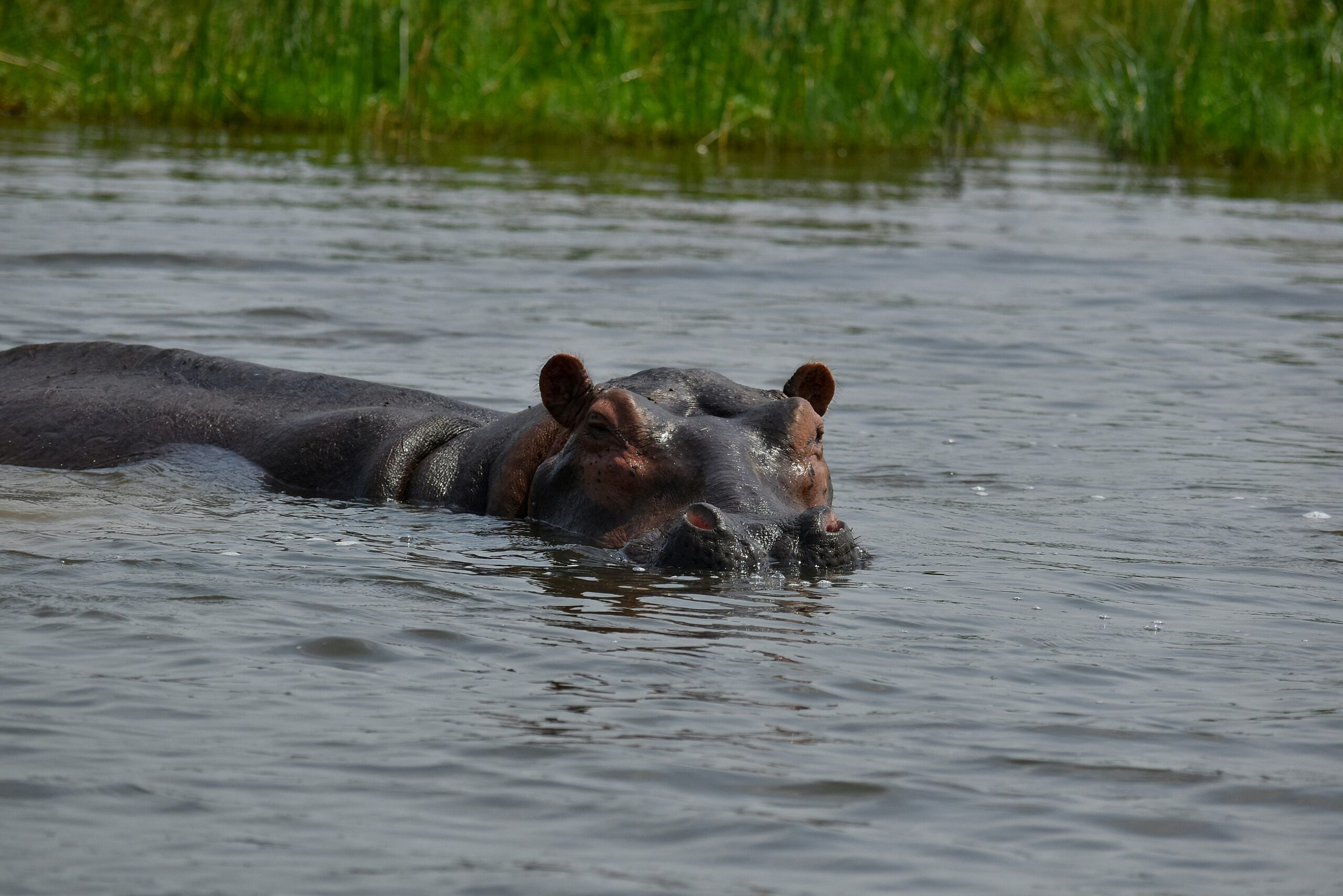
Hippos in Murchison Falls
Hippos in Murchison Falls
Introduction
Murchison Falls National Park, located in Uganda, is a wildlife enthusiast’s paradise. It is home to a diverse range of animals, including the majestic African elephant, the elusive leopard, and the mighty Nile crocodile. However, one animal that truly stands out in this magnificent ecosystem is the hippopotamus, or as it is commonly known, the hippo. In this article, we will delve into the world of hippos in Murchison Falls, exploring their behavior, habitat, and the unique role they play in this remarkable national park.
The Mighty Hippopotamus
The hippopotamus, or Hippopotamus amphibius, is a large semi-aquatic mammal native to sub-Saharan Africa. It is the third-largest land mammal, following the African elephant and the white rhinoceros. Hippos are known for their massive size, with males weighing up to 3,500 kilograms (7,700 pounds) and females reaching around 1,500 kilograms (3,300 pounds). Despite their hefty appearance, hippos are surprisingly agile in water, where they spend most of their time.
Habitat and Behavior
Murchison Falls provides an ideal habitat for hippos, with its extensive network of rivers and water bodies. These magnificent creatures can be found in the Victoria Nile, Albert Nile, and other smaller rivers and lakes within the park. Hippos are primarily nocturnal, spending their days submerged in water to keep cool and venturing out at night to graze on grasses and other vegetation.
One of the most fascinating aspects of hippo behavior is their territorial nature. Male hippos establish territories in the water, marking their boundaries with vocalizations and physical displays. These displays often involve opening their massive jaws wide, revealing their impressive set of teeth. Hippos are known for their aggressive nature, especially when they feel threatened or when their territories are invaded. It is important for visitors to Murchison Falls to maintain a safe distance and observe these magnificent creatures from a respectful distance.
Conservation Status
While hippos may seem abundant in Murchison Falls National Park, their conservation status tells a different story. The International Union for Conservation of Nature (IUCN) lists the hippopotamus as “Vulnerable,” meaning it is at a high risk of extinction in the wild. The main threats to hippos include habitat loss, poaching, and conflicts with humans. Efforts are being made to protect and conserve the hippo population in Murchison Falls and other areas where they are found.
Frequently Asked Questions (FAQ)
1. How many hippos are there in Murchison Falls?
The exact number of hippos in Murchison Falls is difficult to determine. However, it is estimated that there are several hundred hippos residing in the park.
2. Are hippos dangerous?
Yes, hippos are considered one of the most dangerous animals in Africa. They are responsible for more human deaths than any other large animal. It is important to maintain a safe distance and respect their territory when observing them in the wild.
3. Can hippos swim?
Yes, hippos are excellent swimmers. They are well-adapted to their semi-aquatic lifestyle and can move gracefully in water despite their massive size.
4. What do hippos eat?
Hippos are herbivores and primarily feed on grasses and other vegetation. They can consume large quantities of vegetation in a single night.
5. Can hippos live outside of water?
While hippos spend most of their time in water, they can also survive on land. However, they rely on water to keep their bodies cool and hydrated, especially during the hot African days.
Conclusion
Hippos are undoubtedly one of the highlights of Murchison Falls National Park. Their impressive size, territorial behavior, and unique adaptations make them a fascinating species to observe. However, it is crucial to remember that they are wild animals and should be respected from a safe distance. By appreciating and conserving the hippos in Murchison Falls, we can ensure that future generations can continue to marvel at these magnificent creatures in their natural habitat.