
Uganda Travel Advisors
Uganda Travel Advisors
Uganda Travel Advisors: Your Ultimate Guide to Exploring the Pearl of Africa
Introduction
Welcome to Uganda, the Pearl of Africa! If you’re planning a trip to this beautiful country, you’ve come to the right place. In this comprehensive guide, we will be your travel advisors, providing you with all the information you need to make your journey to Uganda an unforgettable experience. From the stunning landscapes to the rich wildlife, from the vibrant culture to the warm hospitality of the people, Uganda has something for everyone. So, let’s dive in and discover the wonders of this hidden gem in East Africa.
1. Overview of Uganda
Located in East Africa, Uganda is a landlocked country bordered by Kenya, South Sudan, the Democratic Republic of Congo, Rwanda, and Tanzania. It is known as the Pearl of Africa due to its breathtaking natural beauty, diverse wildlife, and warm-hearted people. Uganda is home to the source of the Nile River, the world’s longest river, and boasts of stunning landscapes, including the snow-capped Rwenzori Mountains and the picturesque Lake Victoria.
2. Best Time to Visit Uganda
Uganda enjoys a tropical climate, with two main seasons: the dry season and the wet season. The best time to visit Uganda is during the dry season, which runs from December to February and June to September. During this time, the weather is pleasant, and wildlife viewing is at its peak. However, it’s important to note that Uganda can be visited year-round, and each season has its own unique charm.
3. Visa Requirements
Before traveling to Uganda, it’s essential to check the visa requirements for your country of residence. Most visitors will need a visa to enter Uganda, which can be obtained online or upon arrival at the airport. The visa application process is straightforward, and it’s recommended to apply in advance to avoid any last-minute hassles.
4. Transportation in Uganda
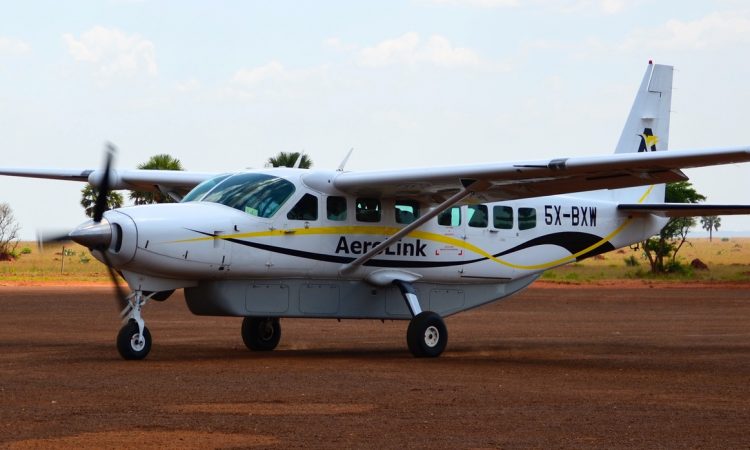
Getting around Uganda is relatively easy, thanks to a well-developed transportation system. The main international airport is Entebbe International Airport, located near the capital city, Kampala. From there, you can travel to different parts of the country by domestic flights, buses, or private taxis. It’s also worth mentioning that Uganda has a reliable network of roads, making self-driving a viable option for those seeking more flexibility.
5. Accommodation Options
Uganda offers a wide range of accommodation options to suit every budget and preference. From luxury lodges and resorts to budget-friendly guesthouses and campsites, there is something for everyone. Some popular accommodation areas include Kampala, Entebbe, Jinja, and the national parks. It’s advisable to book your accommodation in advance, especially during the peak tourist season, to secure the best deals and availability.
6. Top Tourist Destinations in Uganda
Uganda is blessed with an abundance of natural wonders and cultural treasures. Here are some of the top tourist destinations you should not miss:
Bwindi Impenetrable National Park: Home to the endangered mountain gorillas, this park offers a once-in-a-lifetime opportunity to trek through the dense jungle and observe these magnificent creatures up close.
Queen Elizabeth National Park: Known for its diverse wildlife, including elephants, lions, hippos, and over 600 bird species, this park is a paradise for nature lovers and birdwatchers.
Murchison Falls National Park: Witness the mighty Nile River squeezing through a narrow gorge and plunging down to create the dramatic Murchison Falls. Enjoy game drives, boat safaris, and breathtaking views of the wildlife.
Jinja: Located on the shores of Lake Victoria, Jinja is the adventure capital of Uganda. Experience thrilling activities like white-water rafting, kayaking, bungee jumping, and quad biking.
Rwenzori Mountains National Park: Embark on an epic trekking adventure to the legendary Mountains of the Moon, known for their snow-capped peaks, alpine meadows, and unique flora and fauna.
7. Wildlife and Safari Experiences
Uganda is a haven for wildlife enthusiasts and safari lovers. Besides the famous mountain gorillas, you can also spot other primates like chimpanzees and golden monkeys in Kibale Forest National Park and Mgahinga Gorilla National Park. For a classic African safari experience, head to the savannah plains ofMurchison Falls National Park, Queen Elizabeth National Park, and Kidepo Valley National Park, where you can encounter elephants, lions, giraffes, zebras, and more. Birdwatching is also a popular activity in Uganda, with over 1,000 bird species to be found, including the iconic shoebill stork.
8. Cultural Experiences in Uganda
Uganda is a culturally diverse country, with over 50 different tribes and languages. Immerse yourself in the vibrant culture by visiting traditional villages, attending cultural performances, and interacting with the local communities. Some cultural highlights include the Buganda Kingdom in Kampala, the Karamojong tribe in the northeastern region, and the Batwa pygmies in Bwindi Impenetrable Forest.
9. Safety and Security
Uganda is generally a safe country to visit, with friendly and welcoming locals. However, like any other destination, it’s important to take certain precautions to ensure a smooth and enjoyable trip. It’s advisable to travel with a reputable tour operator, follow local customs and traditions, and be aware of your surroundings, especially in crowded areas. It’s also recommended to check the latest travel advisories before your trip.
10. Local Cuisine and Dining Options
Ugandan cuisine is a delightful fusion of flavors influenced by various cultures and traditions. Some must-try dishes include matooke (steamed green bananas), luwombo (a traditional stew), rolex (a popular street food consisting of eggs and chapati), and muchomo (grilled meat skewers). There are plenty of dining options available, ranging from local street food stalls to upscale restaurants serving international cuisine.
11. Shopping in Uganda
Uganda offers a unique shopping experience, with a variety of traditional crafts and souvenirs to choose from. Visit local markets like Owino Market in Kampala or the Crafts Village in Entebbe to find beautiful handcrafted items such as wood carvings, woven baskets, colorful fabrics, and traditional musical instruments. Supporting local artisans not only allows you to take home a piece of Uganda but also contributes to sustainable tourism.
12. Sustainable Tourism in Uganda
Uganda is committed to promoting sustainable tourism practices that protect the environment and benefit local communities. Several initiatives are in place to support conservation efforts, community development, and responsible tourism. When visiting national parks and wildlife reserves, make sure to follow the guidelines provided by park authorities and respect the natural habitat of the animals. Consider staying at eco-friendly accommodations and supporting local community-based tourism projects.
13. Frequently Asked Questions (FAQs)
Q1: Is Uganda safe for tourists?
Uganda is generally safe for tourists, with a low crime rate and friendly locals. However, it’s important to take basic precautions, such as avoiding walking alone at night and keeping your belongings secure. It’s also recommended to check the latest travel advisories before your trip.
Q2: How do I obtain a visa for Uganda?
Most visitors to Uganda will need a visa, which can be obtained online or upon arrival at the airport. The visa application process is straightforward, and it’s recommended to apply in advance to avoid any last-minute hassles.
Q3: What is the best time to visit Uganda?
The best time to visit Uganda is during the dry season, which runs from December to February and June to September. During this time, the weather is pleasant, and wildlife viewing is at its peak. However, Uganda can be visited year-round, and each season has its own unique charm.
Q4: What are the must-visit tourist destinations in Uganda?
Some of the must-visit tourist destinations in Uganda include Bwindi Impenetrable National Park, Queen Elizabeth National Park, Murchison Falls National Park, Jinja, and the Rwenzori Mountains National Park.
Q5: What is the local currency in Uganda?
The local currency in Uganda is the Ugandan Shilling (UGX). It’s advisable to carry some cash in local currency for small purchases, as credit cards may not be accepted everywhere. There are also ATMs available in major cities and towns.
Conclusion
Uganda is a destination that will captivate your senses and leave you with lasting memories. From the incredible wildlife encounters to the rich cultural experiences, this country has it all. Whether you’re a nature lover, an adventure seeker, or a cultural enthusiast, Uganda has something to offer for everyone. So, pack your bags, prepare your camera, and get ready to embark on an unforgettable journey through the Pearl of Africa. Let Uganda be your ultimate travel destination, and let the beauty of this country leave you in awe. Uganda Travel Advisors