
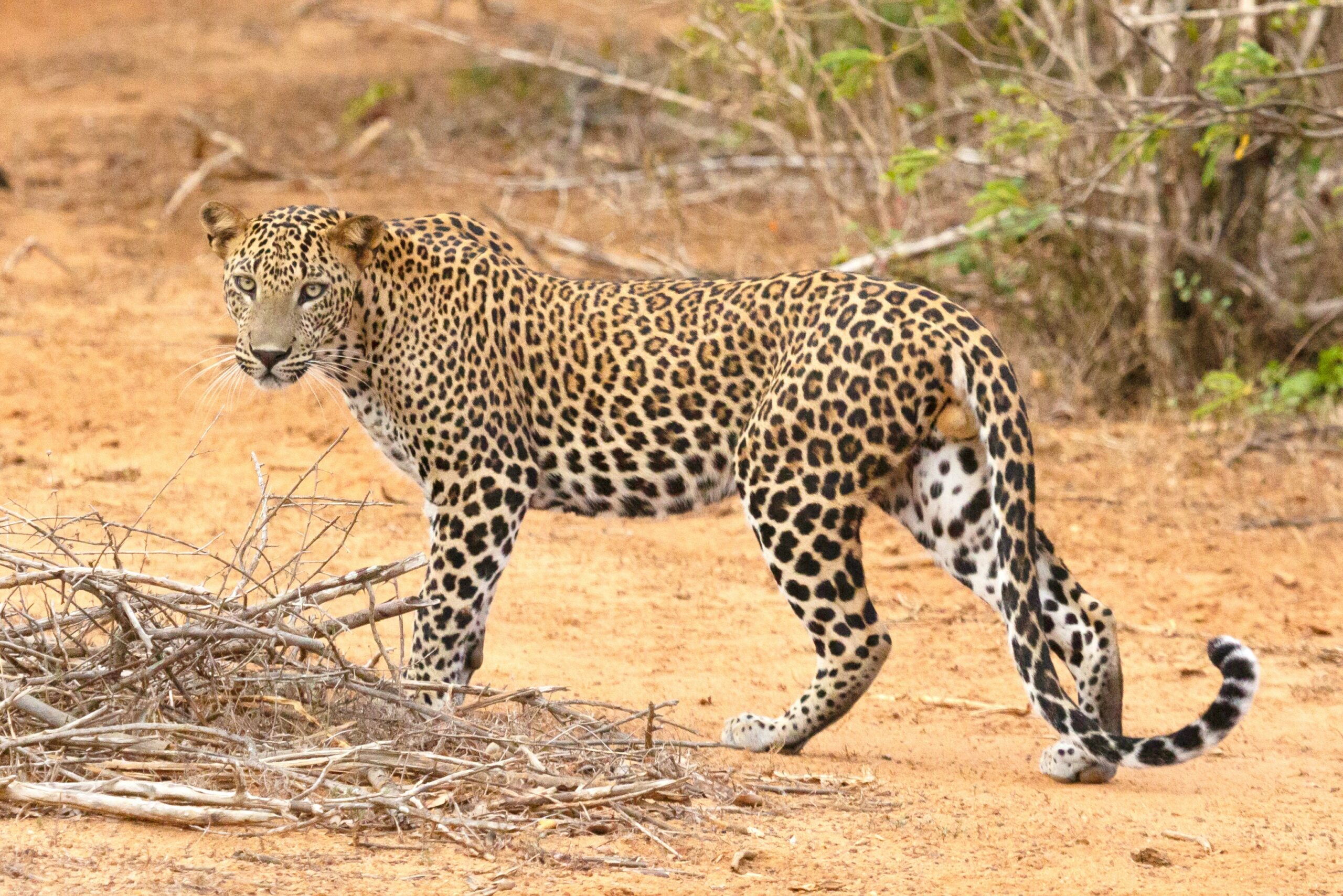
Leopards in Murchison Falls
Leopards in Murchison Falls
Leopards in Murchison Falls: The Majestic Predators of the African Wilderness
Introduction
In the heart of Uganda, nestled within the stunning landscapes of Murchison Falls National Park, lies a realm of untamed beauty and awe-inspiring wildlife. This vast wilderness is home to a diverse array of flora and fauna, including one of Africa’s most elusive and majestic predators – the leopard. With its striking coat and stealthy nature, the leopard is a symbol of power and grace, embodying the untamed spirit of the African savannah. Join us on a journey to discover the secrets of these enigmatic creatures and their vital role in the delicate ecosystem of Murchison Falls.
The Enigmatic Leopards of Murchison Falls
A Closer Look at the Leopard
The leopard (Panthera pardus) is a member of the Felidae family and is renowned for its adaptability and stealth. It is one of the five “big cats” and is found across various habitats in Africa and Asia. With its muscular build, keen senses, and remarkable agility, the leopard is a formidable predator capable of taking down prey much larger than itself. Its distinctive rosette-patterned coat provides excellent camouflage, allowing it to blend seamlessly into its surroundings.
Habitat and Distribution
Murchison Falls National Park provides an ideal habitat for leopards, offering a mix of dense woodlands, savannahs, and riverine forests. This diverse landscape provides ample opportunities for leopards to thrive and establish their territories. While they are primarily nocturnal, leopards can also be spotted during the day, especially in the early morning or late evening when they are most active.
Hunting and Diet
Leopards are solitary hunters, relying on their stealth and agility to ambush their prey. Their diet is incredibly diverse, ranging from small rodents and birds to larger ungulates such as impalas and bushbucks. They are known for their ability to drag their kills into trees, keeping them safe from scavengers and other predators. This behavior also helps to establish their dominance and protect their valuable food source.
Conservation Status
Despite their adaptability and resilience, leopards face numerous threats that have led to a decline in their population. Habitat loss, poaching, and human-wildlife conflict are some of the major challenges they face. Efforts are being made to protect these magnificent creatures and their habitats through conservation initiatives and strict anti-poaching measures. Murchison Falls National Park plays a crucial role in safeguarding the leopard population, providing them with a protected sanctuary to thrive.
Frequently Asked Questions (FAQ)
Q1: How many leopards are estimated to be in Murchison Falls National Park?
A1: The exact number of leopards in Murchison Falls National Park is difficult to determine. However, it is estimated that there is a healthy population of leopards within the park.
Q2: Are leopards dangerous to humans?
A2: Leopards are generally elusive and avoid human contact. However, like any wild animal, they can be dangerous if cornered or threatened. It is important to maintain a safe distance and respect their space when encountering them in the wild.
Q3: What are the main threats to leopard populations in Murchison Falls?
A3: The main threats to leopard populations in Murchison Falls include habitat loss due to human encroachment, poaching for their skins and body parts, and retaliatory killings by farmers protecting their livestock.
Q4: Are leopards solitary animals?
A4: Yes, leopards are solitary animals, except during mating season or when a female is raising her cubs. They establish and defend their territories, which can range from 20 to 80 square kilometers, depending on the availability of prey.
Q5: How can tourists observe leopards in Murchison Falls National Park?
A5: Tourists can increase their chances of spotting leopards by participating in guided game drives or nature walks led by experienced park rangers. These activities are designed to maximize wildlife sightings while ensuring the safety and well-being of both visitors and animals.
Conclusion
Leopards are the epitome of grace and power in the African wilderness, and Murchison Falls National Park offers a glimpse into their secretive lives. As we explore this remarkable ecosystem, it is crucial to remember the importance of conservation and protecting these magnificent creatures for future generations. By raising awareness, supporting conservation efforts, and promoting responsible tourism, we can ensure the survival of leopards and the preservation of their natural habitats. So, come and witness the beauty of Murchison Falls and the enigmatic leopards that call it home.