
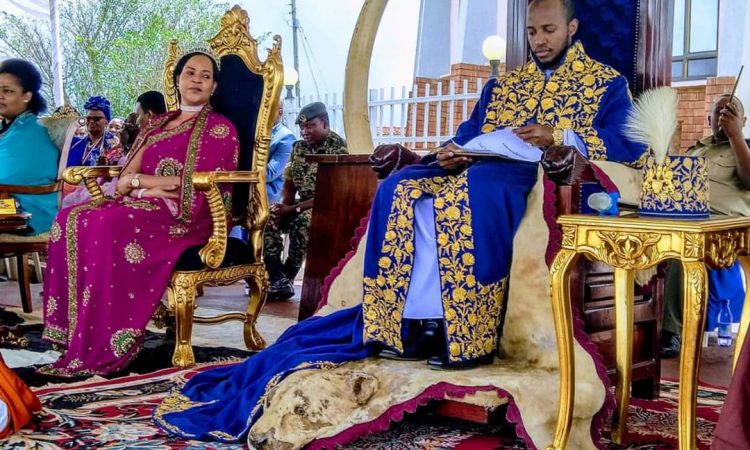
Ugandan Royal Families
Ugandan Royal Families
The Fascinating World of Ugandan Royal Families
Introduction to Ugandan Royalty
Uganda, a country rich in cultural heritage and tradition, is home to several royal families that have played significant roles in shaping its history. The royal families of Uganda are not only custodians of culture and tradition but also influential figures in the socio-political landscape of the nation. This article delves into the intriguing world of Ugandan royal families, exploring their history, influence, and the unique cultural tapestry they weave.
The Historical Roots of Ugandan Royal Families
The Kingdoms of Uganda
Uganda is home to several traditional kingdoms, each with its own royal family. The most prominent among these are the Buganda, Bunyoro, Toro, and Busoga kingdoms. These kingdoms have existed for centuries, with the Buganda Kingdom being one of the largest and most influential.
- Buganda Kingdom: The Buganda Kingdom, located in central Uganda, is the most populous and historically significant kingdom. The Kabaka (king) of Buganda is a revered figure, and the kingdom’s traditions and customs are deeply ingrained in the culture of the Baganda people.
- Bunyoro Kingdom: The Bunyoro Kingdom, located in western Uganda, has a rich history dating back to the 13th century. The Omukama (king) of Bunyoro is a symbol of unity and cultural preservation for the Banyoro people.
- Toro Kingdom: The Toro Kingdom, also in western Uganda, is known for its youthful monarchs. The kingdom’s traditions are celebrated through colorful ceremonies and festivals.
- Busoga Kingdom: The Busoga Kingdom, located in eastern Uganda, is a federation of several chiefdoms. The Kyabazinga (king) of Busoga is a unifying figure for the Basoga people.
The Role of Royal Families in Ugandan Society
Ugandan royal families play a crucial role in preserving cultural heritage and promoting social cohesion. They are custodians of traditional values, languages, and customs, ensuring that these are passed down through generations. Royal families also engage in various charitable activities, contributing to the welfare of their communities.
The Influence of Ugandan Royal Families
Political Influence
While the role of traditional kingdoms in Uganda’s political landscape has evolved over time, royal families continue to wield significant influence. They often act as mediators in conflicts, advocates for cultural preservation, and advisors to political leaders. The Kabaka of Buganda, for example, has been an influential figure in Ugandan politics, advocating for the rights and autonomy of the Buganda Kingdom.
Cultural Impact
Ugandan royal families are at the forefront of cultural preservation. They organize and participate in cultural festivals, traditional ceremonies, and educational programs that promote the rich heritage of their respective kingdoms. These events attract both locals and tourists, contributing to the cultural tourism industry in Uganda.
Economic Contributions
Royal families in Uganda also play a role in economic development. They are involved in various business ventures, including agriculture, tourism, and real estate. These ventures not only provide employment opportunities but also contribute to the economic growth of their regions.
The Modern Challenges Facing Ugandan Royal Families
Balancing Tradition and Modernity
One of the significant challenges facing Ugandan royal families is balancing tradition with modernity. As Uganda continues to develop, there is a need to adapt traditional practices to contemporary realities. Royal families must find ways to preserve their cultural heritage while embracing modern advancements.
Political Tensions
The relationship between traditional kingdoms and the Ugandan government has not always been smooth. There have been instances of political tensions, particularly regarding issues of land ownership and autonomy. Royal families must navigate these challenges while maintaining their cultural significance.
Economic Sustainability
Ensuring economic sustainability is another challenge for Ugandan royal families. While they engage in various economic activities, there is a need for strategic planning and investment to ensure long-term growth and development.
The Future of Ugandan Royal Families
Embracing Technology
To remain relevant in the modern world, Ugandan royal families are increasingly embracing technology. They are using digital platforms to promote their cultural heritage, engage with their communities, and reach a global audience. Social media, websites, and online events are becoming essential tools for royal families to connect with people both locally and internationally.
Youth Engagement
Engaging the youth is crucial for the future of Ugandan royal families. By involving young people in cultural activities and decision-making processes, royal families can ensure the continuity of their traditions. Youth engagement also fosters a sense of pride and identity among the younger generation.
Strengthening Cultural Tourism
Cultural tourism presents a significant opportunity for Ugandan royal families. By promoting their unique traditions and heritage, they can attract tourists and generate revenue for their communities. Collaborating with the government and private sector can enhance the development of cultural tourism infrastructure and services.
Conclusion
Ugandan royal families are an integral part of the country’s cultural and historical fabric. They play a vital role in preserving traditions, promoting social cohesion, and contributing to economic development. While they face modern challenges, their ability to adapt and innovate ensures their continued relevance and influence. As custodians of Uganda’s rich heritage, royal families remain a source of pride and inspiration for the nation.
Frequently Asked Questions (FAQ)
1. What is the role of Ugandan royal families in modern society?
Ugandan royal families play a crucial role in preserving cultural heritage, promoting social cohesion, and contributing to economic development. They act as custodians of traditional values and engage in various charitable and business activities.
2. How do Ugandan royal families influence politics?
Royal families in Uganda influence politics by acting as mediators in conflicts, advocating for cultural preservation, and advising political leaders. They often engage in discussions on issues affecting their regions and communities.
3. What challenges do Ugandan royal families face?
Ugandan royal families face challenges such as balancing tradition with modernity, navigating political tensions, and ensuring economic sustainability. They must adapt to contemporary realities while preserving their cultural significance.
4. How do Ugandan royal families contribute to cultural tourism?
Royal families promote cultural tourism by organizing and participating in cultural festivals, traditional ceremonies, and educational programs. These events attract tourists and contribute to the cultural tourism industry in Uganda.
5. What is the future of Ugandan royal families?
The future of Ugandan royal families lies in embracing technology, engaging the youth, and strengthening cultural tourism. By adapting to modern advancements and involving young people, they can ensure the continuity of their traditions and heritage