
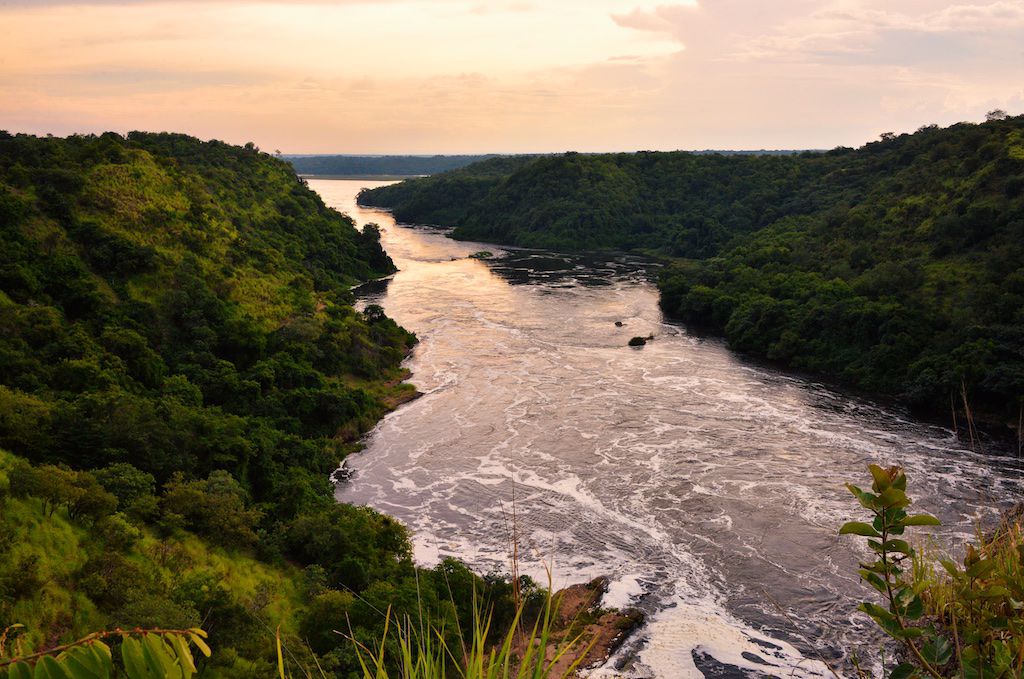
Nile River
The Nile River: A Lifeline Through History and Civilization
Introduction
The Nile River is more than just a river; it is a symbol of life and civilization. Spanning over 6,650 kilometers, it is the longest river in the world, flowing through eleven countries in northeastern Africa. Its waters have nurtured civilizations for thousands of years, making it a critical component of the region’s history, culture, and economy. In this comprehensive article, we will explore the Nile River’s significance, its historical impact, and its role in modern times.
The Geography of the Nile River
The Course of the Nile
The Nile River has two major tributaries: the White Nile and the Blue Nile. The White Nile is considered the primary stream and originates from Lake Victoria in Uganda. The Blue Nile begins at Lake Tana in Ethiopia. These two rivers converge in Sudan’s capital, Khartoum, and continue their journey northward to the Mediterranean Sea.
Countries Along the Nile
The Nile River flows through eleven countries: Uganda, Rwanda, Burundi, Democratic Republic of the Congo, Tanzania, Kenya, Ethiopia, South Sudan, Sudan, and Egypt. Each of these countries relies on the Nile for various purposes, including agriculture, transportation, and water supply.
Historical Significance of the Nile River
Ancient Egypt and the Nile
The Nile River is synonymous with ancient Egypt. The river’s annual flooding deposited nutrient-rich silt along its banks, creating fertile land ideal for agriculture. This natural phenomenon allowed the ancient Egyptians to develop a prosperous civilization, with the Nile serving as a source of sustenance and a means of transportation.
The Nile in Mythology
In Egyptian mythology, the Nile was considered a divine entity. The river was associated with the god Hapi, who was believed to control the flooding and ensure the fertility of the land. The Nile’s significance extended beyond practical use, becoming a central element in the spiritual and cultural life of ancient Egypt.
The Nile River in Modern Times
Economic Importance
Today, the Nile River remains a vital resource for the countries it traverses. It supports agriculture, fishing, and transportation, providing livelihoods for millions of people. The river is also a source of hydroelectric power, with several dams constructed along its course to harness its energy.
Environmental Challenges
Despite its importance, the Nile River faces several environmental challenges. Pollution, climate change, and over-extraction of water resources threaten the river’s health and sustainability. Efforts are underway to address these issues and ensure the Nile continues to support the region’s needs.
The Future of the Nile River
Cooperation and Conflict
The Nile River’s shared nature has led to both cooperation and conflict among the countries it flows through. Water rights and usage have been contentious issues, with various agreements and treaties in place to manage the river’s resources. Continued collaboration is essential to ensure the equitable and sustainable use of the Nile.
Conservation Efforts
Conservation efforts are crucial to preserving the Nile River for future generations. Initiatives focus on reducing pollution, managing water resources, and protecting the river’s biodiversity. These efforts require the cooperation of governments, organizations, and local communities.
Conclusion
The Nile River is a lifeline that has shaped the history and culture of northeastern Africa. Its waters have supported civilizations for millennia, and its significance continues in modern times. As we look to the future, it is essential to balance the river’s use with conservation efforts to ensure it remains a vital resource for generations to come.
FAQ
1. What is the source of the Nile River?
The Nile has two main tributaries: the White Nile, originating from Lake Victoria in Uganda, and the Blue Nile, beginning at Lake Tana in Ethiopia.
2. How long is the Nile River?
The Nile River is approximately 6,650 kilometers long, making it the longest river in the world.
3. Why is the Nile River important to ancient Egypt?
The Nile provided fertile land for agriculture, enabling the development of a prosperous civilization in ancient Egypt. It also served as a means of transportation and played a significant role in Egyptian mythology.
4. What are the environmental challenges facing the Nile River?
The Nile faces challenges such as pollution, climate change, and over-extraction of water resources, which threaten its health and sustainability.
5. How are countries along the Nile River managing its resources?
Countries along the Nile have established agreements and treaties to manage its resources. Cooperation and conservation efforts are essential to ensure the equitable and sustainable use of the river.