
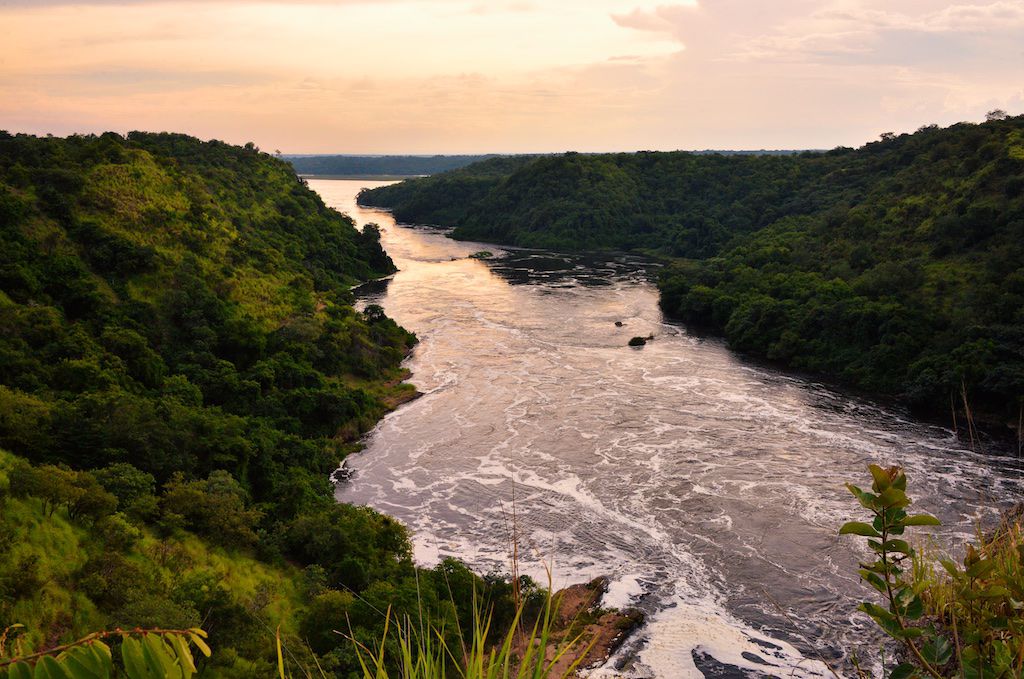
Nile
The Nile: A River of History, Culture, and Life
Introduction
The River, often referred to as the lifeblood of Egypt, is one of the most iconic and historically significant rivers in the world. Stretching over 6,650 kilometers, it is the longest river on Earth, flowing through eleven countries in northeastern Africa. The Nile has been a source of sustenance, transportation, and inspiration for countless civilizations throughout history. In this article, we will explore the rich history, cultural significance, and ecological importance of the River.
The Historical Significance of the Nile
The River has played a pivotal role in the development of ancient civilizations, particularly in Egypt. The river’s annual flooding deposited nutrient-rich silt along its banks, creating fertile land that allowed agriculture to flourish. This abundance of resources supported the growth of the ancient Egyptian civilization, which thrived for thousands of years.
Ancient Egypt and the Nile
The Nile was central to the religious and cultural life of ancient Egypt. The river was considered a divine entity, and its inundation was seen as a blessing from the gods. The ancient Egyptians developed a complex system of irrigation to harness the Nile’s waters, enabling them to cultivate crops such as wheat, barley, and flax. The river also served as a vital transportation route, facilitating trade and communication between different regions of Egypt.
The Nile in Other Civilizations
While Egypt is the most famous civilization associated with the Nile, other cultures also relied on the river for their survival and prosperity. The Nubians, who inhabited the region south of Egypt, developed their own unique culture and society along the Nile. The river also played a crucial role in the development of the Kingdom of Kush, which at times rivaled the power of ancient Egypt.
The Cultural Significance of the Nile
The River has been a source of inspiration for countless artists, writers, and musicians throughout history. Its majestic beauty and life-giving properties have been celebrated in literature, art, and music across different cultures and time periods.
The Nile in Literature and Art
The Nile has been immortalized in numerous literary works, from ancient Egyptian hymns and poems to modern novels and travelogues. Artists have also been captivated by the river’s beauty, depicting it in paintings, sculptures, and other forms of visual art. The Nile’s iconic imagery has become synonymous with the mystique and allure of ancient Egypt.
Music and the Nile
The river’s influence extends to the realm of music as well. Traditional songs and dances from the regions along the Nile often celebrate the river’s importance in daily life. The Nile has also inspired contemporary musicians, who draw on its rich history and cultural significance in their compositions.
The Ecological Importance of the Nile
The River is not only a cultural and historical treasure but also an ecological wonder. It supports a diverse range of ecosystems and is home to numerous plant and animal species.
Biodiversity along the Nile
The Nile’s waters and surrounding habitats provide a haven for a wide variety of wildlife. The river is home to several species of fish, birds, and mammals, including the Nile crocodile and the African elephant. The wetlands and floodplains along the Nile support unique plant communities, which in turn sustain a rich array of animal life.
Environmental Challenges
Despite its ecological importance, the Nile faces several environmental challenges. Pollution, habitat destruction, and climate change threaten the delicate balance of ecosystems along the river. Efforts are being made to address these issues and ensure the long-term health of the Nile and its surrounding environments.
Conclusion
The River is a testament to the enduring power of nature and its ability to shape human history and culture. Its waters have nurtured civilizations, inspired creativity, and supported diverse ecosystems for millennia. As we continue to navigate the challenges of the modern world, it is essential to recognize and preserve the invaluable contributions of the Nile to our shared heritage.
FAQs
1. Why is the Nile River considered the longest river in the world?
The River is considered the longest river in the world because it stretches over 6,650 kilometers, flowing through eleven countries in northeastern Africa.
2. How did the Nile River contribute to the development of ancient Egypt?
The River’s annual flooding deposited nutrient-rich silt along its banks, creating fertile land that allowed agriculture to flourish. This abundance of resources supported the growth of the ancient Egyptian civilization.
3. What are some of the environmental challenges facing the Nile River today?
The River faces several environmental challenges, including pollution, habitat destruction, and climate change, which threaten the delicate balance of ecosystems along the river.
4. How has the Nile River influenced art and literature?
The River has inspired countless artists and writers throughout history, with its majestic beauty and life-giving properties celebrated in literature, art, and music across different cultures and time periods.
5. What efforts are being made to preserve the Nile River’s ecosystems?
Efforts to preserve the Nile River’s ecosystems include addressing pollution, protecting habitats, and mitigating the impacts of climate change to ensure the long-term health of the river and its surrounding environments.