
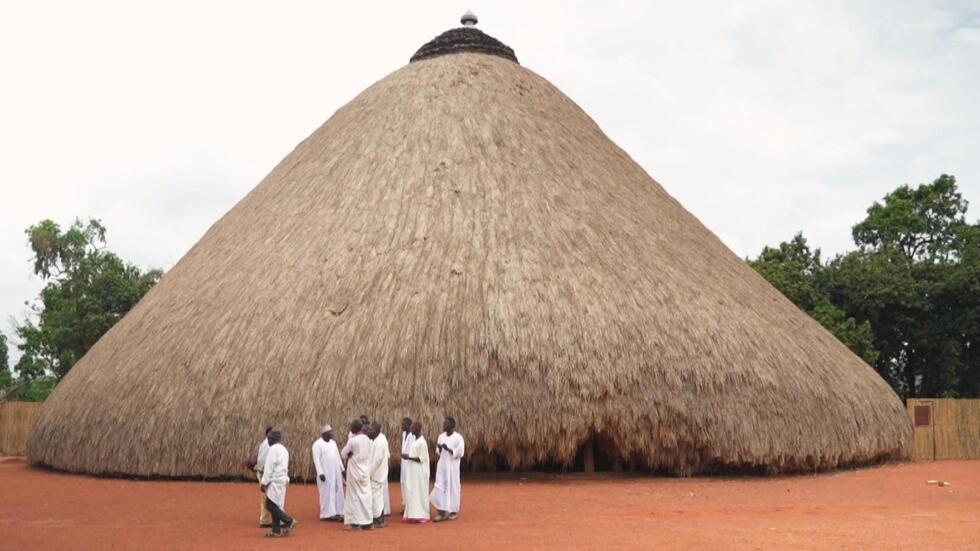
Ugandan Monarchies
Ugandan Monarchies
The Resilient Legacy of Ugandan Monarchies: A Deep Dive into History and Culture
Introduction to Ugandan Monarchies
Uganda, a landlocked country in East Africa, is renowned for its rich cultural heritage and diverse ethnic groups. Among the most fascinating aspects of its cultural tapestry are the Ugandan monarchies. These traditional kingdoms have played a significant role in shaping the country’s history, politics, and social structure. In this article, we will explore the historical significance, cultural influence, and modern-day relevance of these monarchies.
Historical Background of Ugandan Monarchies
The Genesis of Monarchies in Uganda
The origins of Ugandan monarchies can be traced back to the pre-colonial era. These kingdoms were established by various ethnic groups, each with its own distinct culture and traditions. The most prominent among them are the Buganda, Bunyoro, Toro, Busoga, and Ankole kingdoms. These monarchies were characterized by centralized leadership, with kings (locally known as “Kabaka” in Buganda) wielding significant power and influence.
Colonial Era and the Monarchies
The arrival of European colonial powers in the late 19th century marked a turning point for Ugandan monarchies. The British, in particular, sought to consolidate their control over the region by co-opting local rulers. This led to the signing of treaties and agreements that altered the traditional power dynamics. While some monarchies, like Buganda, managed to retain a degree of autonomy, others were significantly weakened.
Cultural Significance of Ugandan Monarchies
Preserving Traditions and Customs
Ugandan monarchies have been instrumental in preserving the cultural heritage of their respective ethnic groups. They serve as custodians of traditions, rituals, and customs that have been passed down through generations. From vibrant ceremonies to intricate art forms, these monarchies play a vital role in keeping cultural practices alive.
Language and Literature
The monarchies have also contributed to the preservation and promotion of indigenous languages and literature. For instance, the Buganda kingdom has been a strong advocate for the Luganda language, ensuring its continued use and development. This commitment to linguistic heritage has helped maintain the cultural identity of various communities.
The Role of Monarchies in Modern Uganda
Political Influence and Advocacy
In contemporary Uganda, monarchies continue to wield significant influence, albeit in a more symbolic capacity. They act as cultural ambassadors and advocates for their communities, addressing issues such as land rights, education, and healthcare. Their involvement in social and political matters underscores their enduring relevance in Ugandan society.
Economic Contributions
Monarchies also contribute to the economic development of their regions. Through initiatives such as tourism promotion and cultural festivals, they attract visitors and generate revenue. The annual Buganda Tourism Expo, for example, showcases the kingdom’s rich heritage and attracts tourists from around the world.
Challenges Facing Ugandan Monarchies
Balancing Tradition and Modernity
One of the primary challenges facing Ugandan monarchies is the need to balance tradition with modernity. As the country continues to evolve, these traditional institutions must adapt to changing societal norms and expectations. This requires a delicate balancing act to ensure that cultural heritage is preserved while embracing progress.
Political Tensions
The relationship between monarchies and the central government has not always been smooth. Political tensions have occasionally arisen, particularly when monarchies have sought greater autonomy or challenged government policies. Navigating these complex dynamics remains a challenge for both traditional leaders and state authorities.
Conclusion: The Enduring Legacy of Ugandan Monarchies
Ugandan monarchies are a testament to the country’s rich cultural heritage and historical legacy. Despite the challenges they face, these traditional institutions continue to play a vital role in shaping Uganda’s cultural and social landscape. As custodians of tradition and advocates for their communities, they remain an integral part of the nation’s identity.
Frequently Asked Questions (FAQ)
What are the main Ugandan monarchies?
The main Ugandan monarchies include the Buganda, Bunyoro, Toro, Busoga, and Ankole kingdoms. Each of these has its own unique history and cultural significance.
How did colonialism impact Ugandan monarchies?
Colonialism significantly altered the power dynamics of Ugandan monarchies. While some retained a degree of autonomy, others were weakened or co-opted by colonial powers.
What role do monarchies play in modern Uganda?
In modern Uganda, monarchies serve as cultural ambassadors and advocates for their communities. They also contribute to economic development through initiatives such as tourism promotion.
How do Ugandan monarchies preserve cultural heritage?
Ugandan monarchies preserve cultural heritage by maintaining traditions, rituals, and customs. They also promote indigenous languages and literature, ensuring the continuation of cultural practices.
What challenges do Ugandan monarchies face today?
Ugandan monarchies face challenges such as balancing tradition with modernity and navigating political tensions with the central government. These challenges require careful management to ensure their continued relevance.