
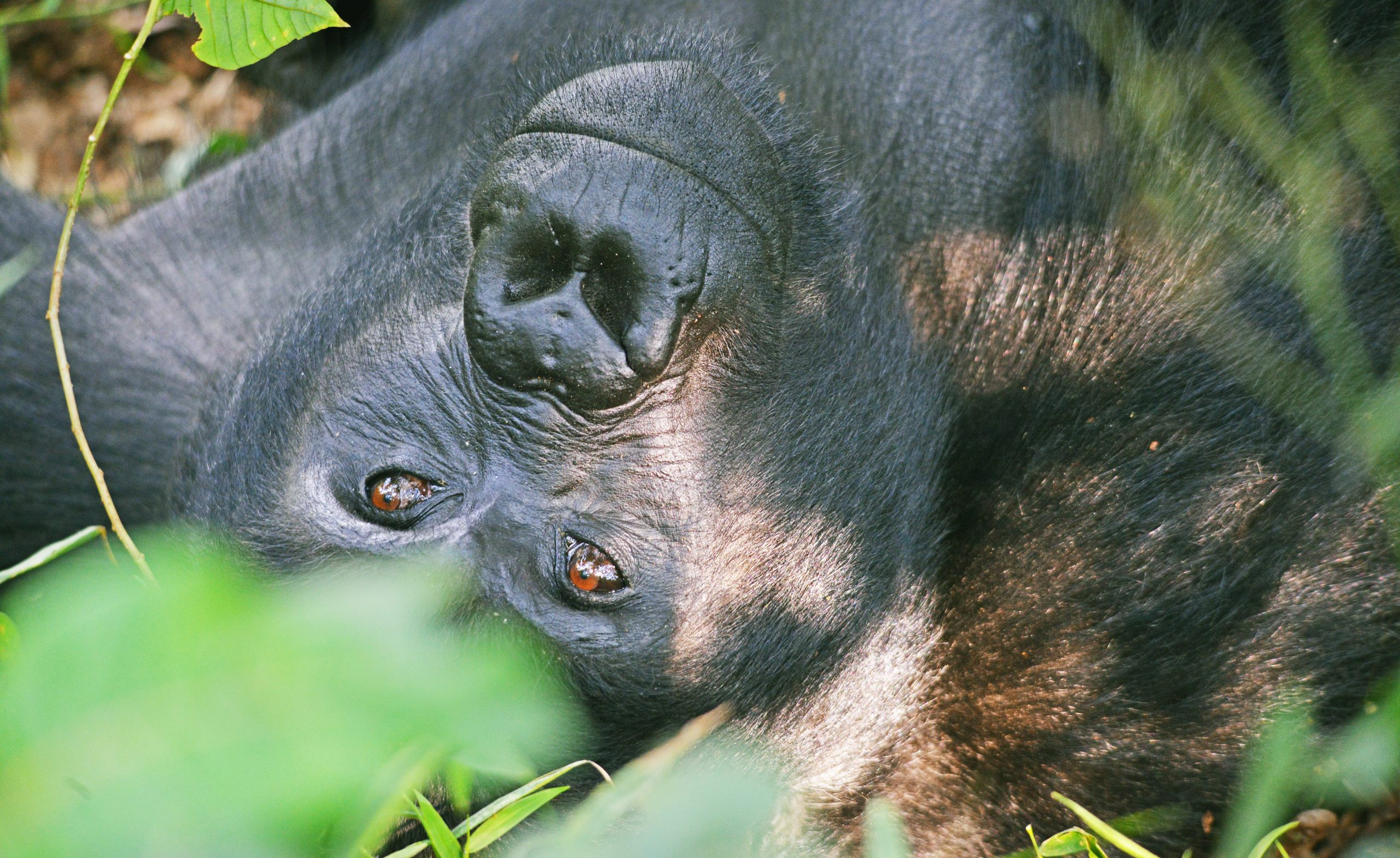
Affordable 5 Day Gorilla Trekking Uganda Safari
Affordable 5 Day Gorilla Trekking Uganda Safari
Affordable 5-Day Gorilla Trekking Uganda Safari (Budget-Friendly Itinerary + Costs, Permits & Tips)
Gorilla trekking in Uganda is often described as a once-in-a-lifetime wildlife encounter but it doesn’t have to be a once-in-a-lifetime expense. With smart planning, the right park choice, and a clear understanding of where costs actually go (permits, transport, accommodation, and guides), an affordable 5-day gorilla trekking safari in Uganda is realistic for many travelers.
This guide lays out a practical, budget-conscious 5-day itinerary focused on seeing mountain gorillas in Bwindi Impenetrable National Park (or Mgahinga Gorilla National Park), with options to reduce costs without compromising safety or the quality of the experience.
Why Uganda Is One of the Best Places for Gorilla Trekking (Especially on a Budget)
Uganda offers a strong value proposition for gorilla trekking because:
- It has two gorilla trekking parks: Bwindi and Mgahinga
- A wide range of budget-to-luxury accommodation exists near trekking sectors
- Road travel from Kampala/Entebbe is doable (cheaper than flying)
- Gorilla tracking logistics are well-managed by the Uganda Wildlife Authority (UWA)
If you’re comparing destinations, it can help to review a specialist operator’s overview of gorilla experiences such as this page on Uganda gorilla trekking:
5-Day Affordable Gorilla Safari
This itinerary is designed for travelers arriving via Entebbe International Airport, then traveling by road to Bwindi.
Day 1: Entebbe/Kampala → Transfer toward Bwindi (stopovers possible)
Day 2: Arrive Bwindi area + briefing + community walk (optional)
Day 3: Gorilla trekking day (the main event)
Day 4: Optional second activity (Batwa experience / nature walk / relax)
Day 5: Return to Entebbe (or extend to Queen Elizabeth NP)
Day-by-Day: Affordable 5-Day Gorilla Trekking Uganda Safari Itinerary
Day 1: Transfer from Entebbe/Kampala Toward Bwindi (Budget Road Option)
Most affordable safaris use road transfers. Expect a long drive (often 8–10+ hours depending on the Bwindi sector and road conditions).
Budget-smart tips for Day 1:
- Depart early to reduce overnight costs en route
- Choose accommodation near the trekking sector to reduce morning travel
- Pack snacks and water to avoid frequent expensive stops
Possible stopovers (depending on route):
- Equator crossing
- Scenic viewpoints
- Local craft markets
Day 2: Arrive in Bwindi Region + Light Activities
This day is intentionally lighter so you’re rested for the trek.
Affordable (optional):
- Village/community walk
- Short forest edge walk
- Cultural visit (varies by sector)
Day 3: Gorilla Trekking in Bwindi (Permit Day)
This is the core day of the safari.
Typical schedule:
- Early breakfast
- Transfer to UWA briefing point
- Ranger briefing + group allocation
- Trek begins (duration varies widely)
- One hour with the gorilla family once located
- Return + lunch + rest
What makes this “affordable” without being “cheap”:
- You still use UWA rangers and official tracking procedures
- You still stay near the park to avoid last-minute transport costs
- You avoid expensive internal flights unless needed
Day 4: Optional Activity Day (Choose Based on Budget)
A “budget-friendly” safari often includes one optional add-on rather than multiple paid activities.
Low-cost or moderate-cost options:
- Batwa cultural experience (varies by community program)
- Scenic hike / waterfall walk (sector-dependent)
- Relax at the lodge (free, and honestly underrated after a tough trek)
If you’re thinking of adding wildlife viewing beyond gorillas, some travelers extend toward Queen Elizabeth NP afterward operators often package this as a combined route.
Day 5: Return to Entebbe/Kampala (or Extension Option)
Road transfer back. If your flight is late evening, you can arrive same day. Otherwise, consider an extra night near Entebbe to reduce risk.
What Does an Affordable 5-Day Gorilla Trekking Safari Cost?
Prices vary a lot depending on whether you go private, join a small group, or use a scheduled departure.
Key cost drivers
- Gorilla permit (the biggest fixed cost)
- Transport (private 4×4 vs shared)
- Accommodation level (budget bandas vs midrange lodges)
- Number of included activities
- Season (high vs low)
Budget range (very rough guidance)
- Budget group / shared transport: lower total cost
- Private budget safari: higher due to vehicle and guide exclusivity
- Midrange: higher lodging + sometimes extra inclusions
Since permit fees can change, always confirm current rates with official sources or your operator.
How to Keep It Affordable (Without Ruining the Experience)
1) Choose the right Bwindi sector
Some sectors reduce driving time (and therefore cost). Lodges vary in price by sector too.
2) Consider a small group safari
Shared departures can cut:
- vehicle cost
- guide cost
- fuel cost
3) Use budget but well-located accommodation
The cheapest lodge far away can be a false economy if it adds:
- extra transfers
- early morning transport fees
- late arrivals and missed briefings
4) Travel in shoulder seasons
Often better value while still having decent trekking conditions.
What to Pack for Gorilla Trekking (Budget-Friendly Checklist)
You don’t need to buy expensive “safari fashion.” Prioritize function.
Essentials:
- Long-sleeved shirt + long trousers (nettles)
- Light rain jacket (Bwindi weather changes fast)
- Good hiking boots (broken in)
- Gardening gloves (surprisingly useful)
- Water + electrolytes
- Insect repellent
- Small daypack
- Dry bag or plastic bags for electronics
Nice-to-have:
- Trekking poles (sometimes rentable)
- Gaiters for mud
- Binoculars (not essential for gorillas, but useful generally)
Gorilla Trekking Rules & Etiquette (Know Before You Go)
Following UWA rules helps protect gorillas and ensures trekking remains sustainable.
- Keep a respectful distance (guides enforce this)
- No flash photography
- Keep voices low
- Don’t trek if you’re ill
- Follow ranger instructions at all times
Common Mistakes That Make “Budget Safaris” Expensive
- Booking accommodation far from the trekking point
- Not accounting for permit availability (forcing last-minute pricey solutions)
- Choosing the cheapest transport option without 4×4 reliability
- Overpacking (airline fees) or underpacking (forced purchases)
FAQs (5 Questions)
1) How hard is gorilla trekking in Uganda?
Difficulty varies some treks are 1–2 hours, others can be much longer with steep terrain. A moderate fitness level helps, but guides pace the group.
2) Is Bwindi better than Mgahinga for gorilla trekking?
Bwindi has more trekking sectors and gorilla families, so it often offers more permit availability. Mgahinga can be quieter and scenic. Your best choice depends on permits and logistics.
3) Can I do a 5-day gorilla safari without flying?
Yes. Road-based itineraries are common and typically the most affordable option.
4) What’s the main thing that makes gorilla trekking expensive?
The gorilla permit is usually the largest fixed cost, followed by transport if you’re traveling privately.
5) Should I book with an operator or do it independently?
Independent travel is possible but can be logistically complex (permits, transfers, sector planning). Operators often reduce stress and help avoid costly planning mistakes.