
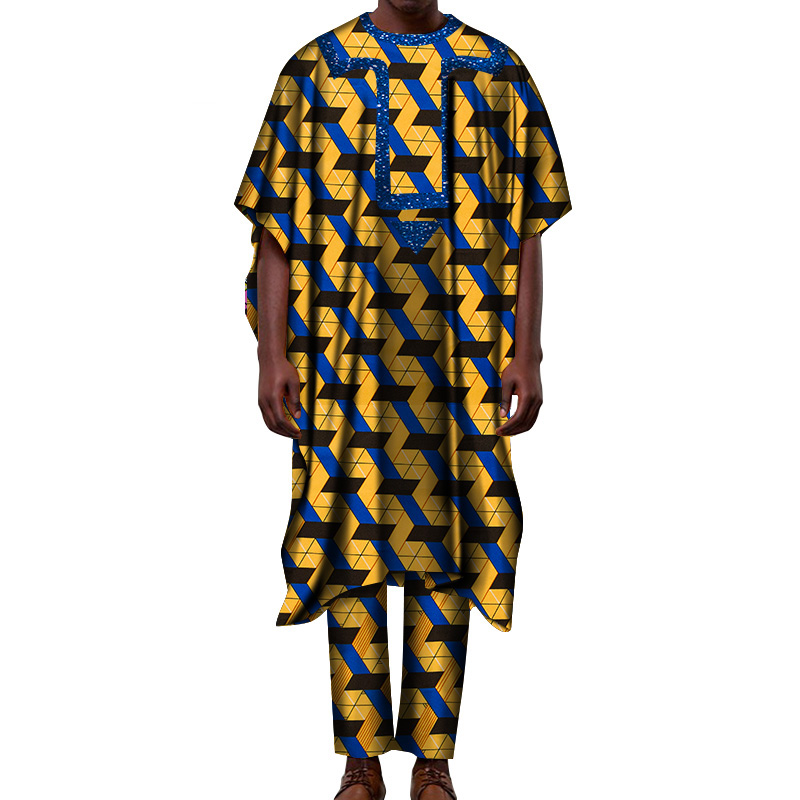
African Fashions
African Fashions
The Rise and Evolution of African Fashion: A Celebration of Culture and Creativity
African fashion is a vibrant tapestry of colors, patterns, and traditions that reflects the continent’s rich cultural heritage. Over the years, it has evolved from being a regional expression of identity to a global phenomenon influencing the world of haute couture, streetwear, and sustainable fashion. This article delves into the history, significance, and modern-day impact of African fashion, exploring how it continues to shape global trends while staying true to its roots.
The Historical Roots of African Fashion
African fashion is deeply rooted in the continent’s history, with its origins dating back thousands of years. Traditional clothing was often made from natural materials such as animal skins, bark cloth, and woven fibers. These garments were not only functional but also carried symbolic meanings, representing status, tribe, or spiritual beliefs.
Key Elements of Traditional African Fashion
- Textiles and Patterns:
African textiles like kente cloth, ankara, and mud cloth are iconic. Each fabric tells a story, with patterns and colors symbolizing different aspects of life, such as wealth, fertility, or mourning. For example:- Kente cloth: Originating from Ghana, this fabric is handwoven with intricate patterns that signify royalty and cultural pride.
- Mud cloth (Bogolanfini): A Malian textile made using fermented mud, traditionally worn during important ceremonies.
- Ankara: Known for its bold, colorful patterns, Ankara has become a staple in both traditional and modern African fashion.
- Jewelry and Accessories:
Beaded necklaces, bracelets, and earrings are integral to African fashion. Materials like gold, ivory, and cowrie shells are commonly used, symbolizing wealth and spirituality. The Maasai beadwork of Kenya and Tanzania, for instance, is renowned for its vibrant colors and intricate designs. - Headwraps and Scarves:
Headwraps like the gele in Nigeria or the duku in Ghana are not just fashion statements but also cultural symbols of respect and elegance.
The Globalization of African Fashion
In recent decades, African fashion has transcended borders, captivating audiences worldwide. Designers, models, and influencers from Africa have played a pivotal role in bringing the continent’s unique aesthetic to the global stage.
African Designers Making Waves
- Olivier Rousteing: The creative director of Balmain, Rousteing incorporates African-inspired designs into his collections, blending tradition with modernity.
- Lisa Folawiyo: Known for her innovative use of Ankara fabric, Folawiyo has gained international acclaim for her contemporary designs.
- Thebe Magugu: A South African designer who won the prestigious LVMH Prize, Magugu’s work celebrates African heritage while addressing social issues.
African Models on the Global Stage
African models like Naomi Campbell, Alek Wek, and Adut Akech have redefined beauty standards in the fashion industry, showcasing the diversity and elegance of African features.
Fashion Weeks and Platforms
Events like Lagos Fashion Week, South African Fashion Week, and Arise Fashion Week have become important platforms for showcasing African talent. These events attract international buyers, media, and fashion enthusiasts, further cementing Africa’s influence on global fashion.
The Role of African Fashion in Sustainability
Sustainability is a growing concern in the fashion industry, and African fashion offers valuable lessons in eco-friendly practices. Many African designers prioritize the use of natural materials, traditional dyeing techniques, and ethical production methods.
Sustainable Practices in African Fashion
- Upcycling: Designers often repurpose old textiles and garments to create new pieces, reducing waste.
- Handcrafted Techniques: The use of handwoven fabrics and artisanal craftsmanship minimizes the environmental impact of production.
- Community Empowerment: Many African fashion brands work with local artisans, providing fair wages and preserving traditional skills.
African Fashion in Popular Culture
African fashion has made its mark in music, film, and art, becoming a symbol of pride and identity for people of African descent worldwide.
In Music
Artists like Burna Boy, Wizkid, and Beyoncé frequently incorporate African-inspired outfits into their performances and music videos. Beyoncé’s visual album Black Is King is a stunning tribute to African culture and fashion.
In Film
Movies like Black Panther have brought African fashion to the forefront, with costumes inspired by traditional attire from various African cultures. The film’s costume designer, Ruth E. Carter, won an Academy Award for her work, highlighting the beauty and diversity of African fashion.
The Future of African Fashion
The future of African fashion looks promising, with the industry poised for significant growth. As more designers embrace technology and innovation, African fashion is expected to continue influencing global trends.
Emerging Trends in African Fashion
- Afrofuturism: A blend of African culture with futuristic elements, Afrofuturism is gaining popularity in fashion, music, and art.
- Digital Fashion Shows: With the rise of virtual events, African designers are using digital platforms to reach a global audience.
- Collaborations with International Brands: Partnerships between African designers and global fashion houses are becoming more common, fostering cross-cultural exchange.
FAQs About African Fashion
1. What is African fashion?
African fashion encompasses the clothing, textiles, and accessories inspired by the diverse cultures and traditions of Africa. It is characterized by vibrant colors, bold patterns, and symbolic designs.
2. What are the most popular African fabrics?
Some of the most popular African fabrics include kente cloth, ankara, mud cloth, and adire. Each fabric has its own unique history and cultural significance.
3. How has African fashion influenced global trends?
African fashion has influenced global trends through its bold aesthetics, sustainable practices, and innovative designs. Many international designers draw inspiration from African patterns, textiles, and craftsmanship.
4. What role does African fashion play in sustainability?
African fashion emphasizes eco-friendly practices such as the use of natural materials, upcycling, and handcrafted techniques. Many brands also support local artisans, promoting ethical production.
5. Where can I buy authentic African fashion?
Authentic African fashion can be purchased from local markets, online platforms like Afrikrea, and renowned designers’ websites. Attending African fashion weeks is another great way to discover unique pieces.
Conclusion
African fashion is more than just clothing—it is a celebration of identity, culture, and creativity. From its historical roots to its global impact, African fashion continues to inspire and captivate audiences worldwide. As the industry grows, it remains a powerful symbol of Africa’s rich heritage and limitless potential.