
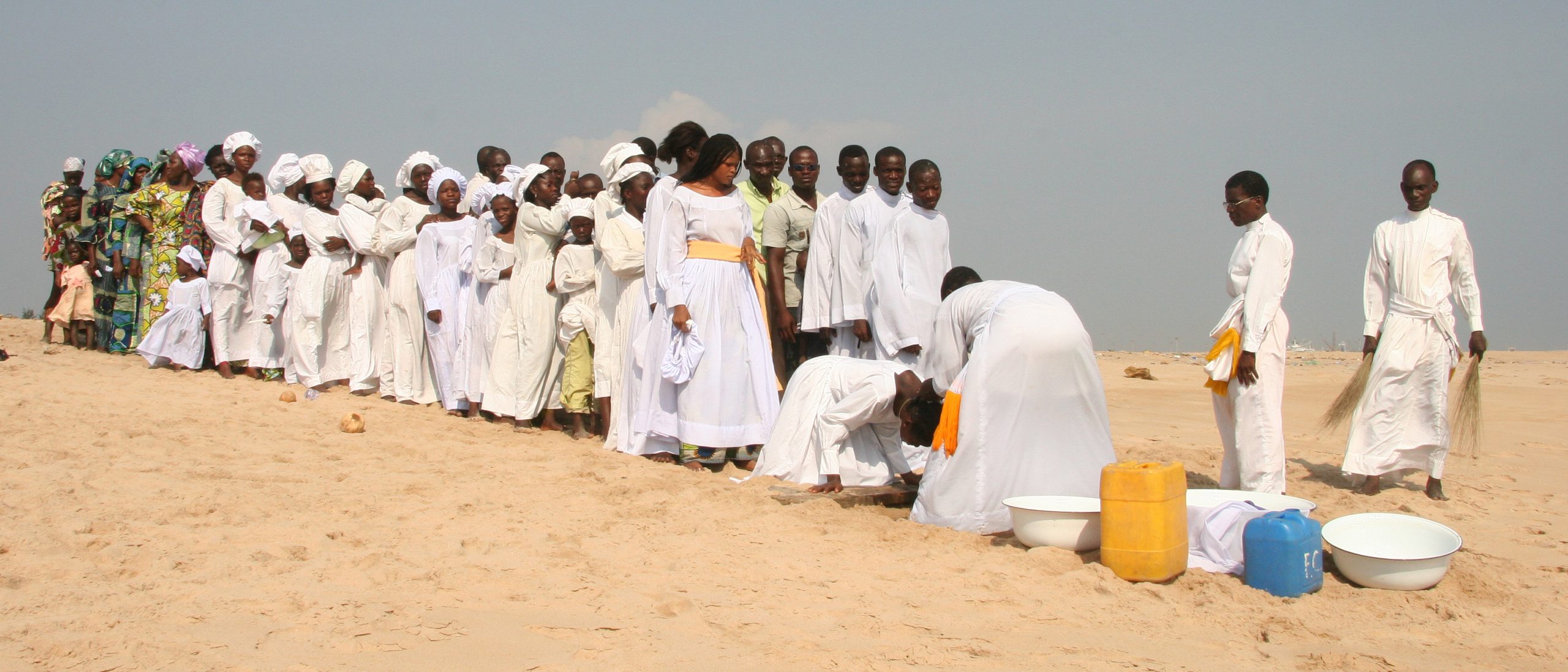
African Religious Ceremonies
African Religious Ceremonies
African Religious Ceremonies: A Deep Dive into Tradition and Spirituality
Introduction
African religious ceremonies are a profound reflection of the continent’s rich spiritual heritage. These ceremonies, deeply rooted in the diverse cultures of Africa, serve as a bridge between the physical and spiritual realms. They are not just rituals but are integral to the social, political, and cultural fabric of African societies. From the vibrant dances of the Yoruba people to the solemn rites of the Maasai, these ceremonies offer a glimpse into the complex belief systems that have shaped African spirituality for centuries.
In this article, we will explore the varied religious ceremonies across Africa, their significance, and how they have evolved over time. We will also delve into the role of ancestral worship, animism, and the influence of Christianity and Islam on traditional African religious practices.
The Role of Religion in African Society
Religion in Africa is not confined to the spiritual realm; it permeates every aspect of life. African religious ceremonies are often tied to key life events such as birth, marriage, and death. They also play a crucial role in maintaining social order, ensuring fertility, and protecting communities from harm.
Ancestral Worship
One of the most common elements in African religious ceremonies is ancestral worship. Many African communities believe that their ancestors continue to play an active role in the lives of the living. Ceremonies honoring the dead are essential for maintaining a harmonious relationship between the physical and spiritual worlds. These rituals often involve offerings of food, drink, and other gifts to appease the spirits of the ancestors.
Animism and the Spirit World
Another key component of African religious ceremonies is animism, the belief that all things—living and non-living—possess a spiritual essence. This belief is central to many African religions and is reflected in various ceremonies that seek to communicate with the spirit world. For example, the Dogon people of Mali perform elaborate rituals to honor the spirits of the earth, sky, and water.
Types of African Religious Ceremonies
Birth Ceremonies
In many African cultures, birth is seen as a sacred event that requires special rituals to ensure the well-being of the newborn and the mother. Among the Yoruba people of Nigeria, for instance, a naming ceremony known as “Ikomojade” is held seven days after the birth of a child. During this ceremony, the child is given a name that reflects their destiny and the circumstances of their birth.
Initiation Rites
Initiation ceremonies are another important aspect of African religious life. These rites of passage mark the transition from childhood to adulthood and often involve a series of tests or challenges that the initiate must complete. Among the Xhosa people of South Africa, young men undergo a ritual circumcision as part of their initiation into manhood. This ceremony, known as “Ukwaluka,” is a deeply spiritual experience that connects the initiate to their ancestors and the broader community.
Marriage Ceremonies
Marriage ceremonies in Africa are often elaborate affairs that involve the entire community. These ceremonies are not just about the union of two individuals but also about the merging of two families and the continuation of the community. In many African cultures, the exchange of gifts, such as livestock or money, is an important part of the marriage ceremony. For example, among the Maasai people of Kenya and Tanzania, the groom’s family must provide a dowry of cattle to the bride’s family as a symbol of their commitment.
Funeral Rites
Funeral ceremonies in Africa are deeply spiritual events that serve to honor the deceased and ensure their safe passage to the afterlife. These ceremonies often involve elaborate rituals, including the offering of food and drink to the ancestors, the singing of hymns, and the performance of traditional dances. Among the Ashanti people of Ghana, funerals are seen as a celebration of life, and the deceased is often buried with their most prized possessions to ensure they are well-equipped in the afterlife.
The Influence of Christianity and Islam
While traditional African religious ceremonies continue to play a significant role in many communities, the arrival of Christianity and Islam has had a profound impact on African spirituality. In many cases, these religions have been integrated into existing belief systems, resulting in a unique blend of traditional and modern practices.
Christianity in Africa
Christianity was introduced to Africa as early as the 1st century AD, but it was not until the arrival of European missionaries in the 19th century that it began to spread widely. Today, Christianity is one of the dominant religions in Africa, particularly in countries such as Nigeria, Ethiopia, and South Africa. Many African Christians continue to practice traditional religious ceremonies alongside their Christian faith, resulting in a rich tapestry of spiritual practices.
Islam in Africa
Islam has also had a significant influence on African religious ceremonies, particularly in North and West Africa. The spread of Islam across the continent began in the 7th century and has since become the dominant religion in many African countries, including Egypt, Senegal, and Somalia. In many cases, Islamic practices have been integrated into traditional African ceremonies, creating a unique blend of religious traditions.
The Future of African Religious Ceremonies
As Africa continues to modernize, traditional religious ceremonies are increasingly being influenced by global trends. However, many African communities are working to preserve their spiritual heritage by passing down these ceremonies to future generations. In some cases, traditional ceremonies are being adapted to fit the modern world, while in others, they remain largely unchanged.
The Role of Technology
Technology is playing an increasingly important role in the preservation and dissemination of African religious ceremonies. Social media platforms, for example, are being used to share videos and photos of traditional ceremonies, helping to keep these practices alive in the digital age. Additionally, online platforms are being used to educate younger generations about the importance of these ceremonies and their role in African culture.
Globalization and Cultural Exchange
Globalization has also had a significant impact on African religious ceremonies. As African communities become more connected to the rest of the world, they are increasingly exposed to new religious and cultural practices. This has led to a blending of traditions, with many African ceremonies incorporating elements from other cultures. However, this cultural exchange has also raised concerns about the potential loss of traditional practices.
Conclusion
African religious ceremonies are a vital part of the continent’s cultural and spiritual identity. They serve as a link between the physical and spiritual worlds, providing a sense of continuity and connection to the past. While these ceremonies have evolved over time, they remain an essential part of African life, offering a window into the rich spiritual heritage of the continent.
As Africa continues to change, it is important to preserve these traditions and ensure that they are passed down to future generations. Whether through the use of technology or the adaptation of ceremonies to fit the modern world, African religious practices will continue to play a vital role in the spiritual life of the continent.
FAQ
1. What is the significance of ancestral worship in African religious ceremonies?
Ancestral worship is central to many African religious ceremonies. It is believed that ancestors continue to influence the lives of the living, and ceremonies are performed to honor and appease them. These rituals often involve offerings of food, drink, and other gifts to maintain a harmonious relationship between the physical and spiritual worlds.
2. How has Christianity influenced African religious ceremonies?
Christianity has had a profound impact on African religious ceremonies, particularly in countries where it is the dominant religion. In many cases, traditional African practices have been blended with Christian rituals, resulting in a unique fusion of spiritual traditions.
3. What role does animism play in African religious ceremonies?
Animism, the belief that all things possess a spiritual essence, is a key component of many African religious ceremonies. These rituals often involve communication with the spirit world and are performed to ensure the well-being of the community and the natural world.
4. How are African religious ceremonies adapting to modern times?
Many African religious ceremonies are being adapted to fit the modern world. Technology, for example, is being used to preserve and share these traditions, while globalization has led to the blending of African and foreign spiritual practices.
5. What is the future of African religious ceremonies?
The future of African religious ceremonies will likely involve a combination of preservation and adaptation. While some communities are working to maintain traditional practices, others are incorporating modern elements to ensure that these ceremonies remain relevant in the 21st century.