
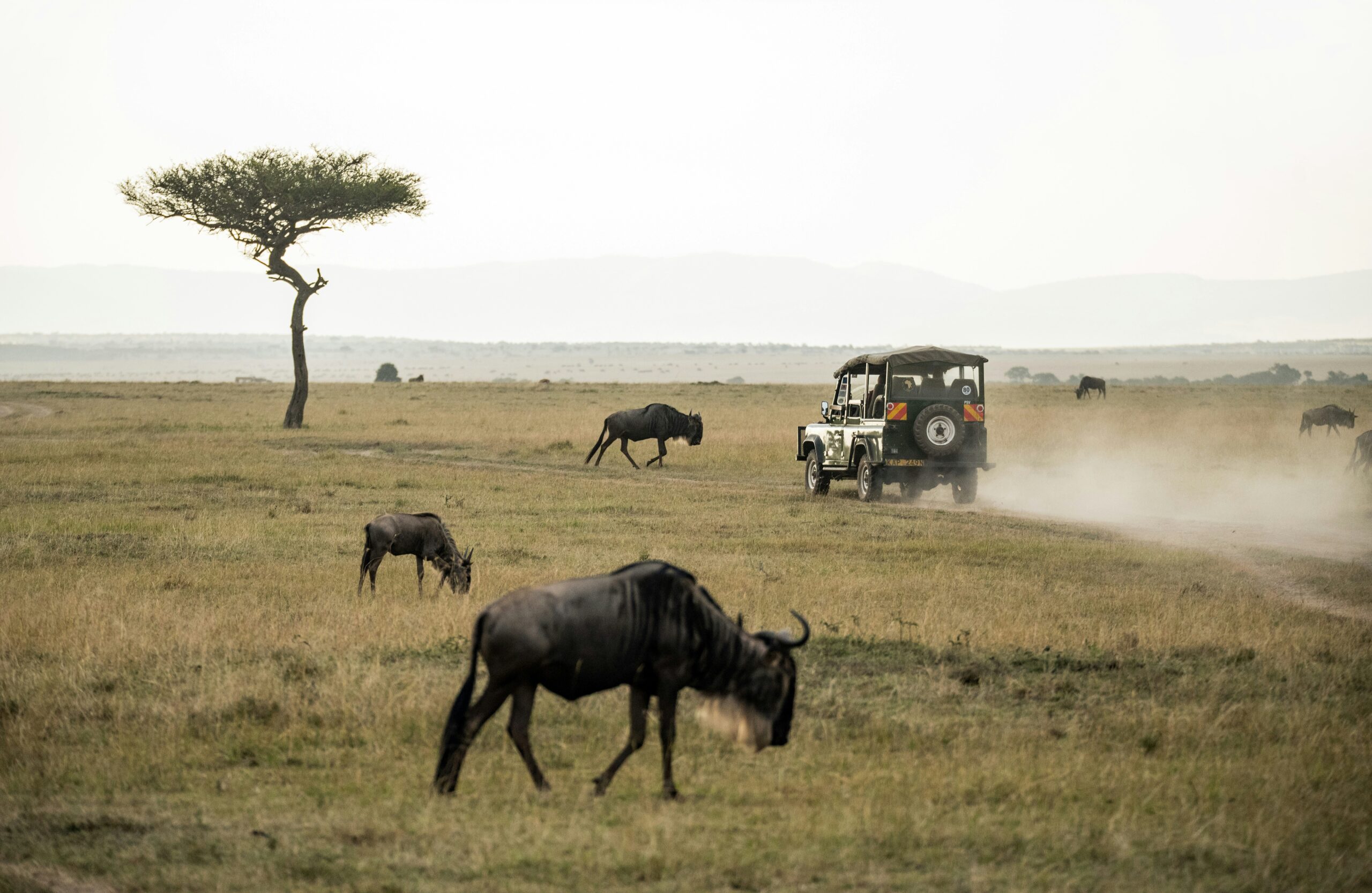
African Safari
African Safari
African Safari: An Exhilarating Adventure in the Heart of the Wild
Introduction
African safari is like stepping into a world of wonder and enchantment. It is an experience that immerses you in the untamed beauty of nature, where you can witness majestic wildlife, breathtaking landscapes, and vibrant cultures. This article will take you on a virtual journey through the African savannah, exploring the diverse wildlife, the best safari destinations, and the rich cultural heritage that makes this continent a haven for adventure seekers.
The African Savannah: A Wildlife Paradise
The African savannah is a vast expanse of grasslands, dotted with acacia trees and teeming with an incredible variety of wildlife. It is home to the iconic “Big Five” – the African lion, African elephant, Cape buffalo, leopard, and rhinoceros. These magnificent creatures roam freely in their natural habitat, creating a spectacle that is both awe-inspiring and humbling.
The African Lion: The King of the Savannah
The African lion, often referred to as the king of the savannah, is a symbol of power and majesty. With its regal mane and commanding presence, it is a sight to behold. Lions are social animals, living in prides consisting of multiple females, their cubs, and a dominant male. Witnessing a lion pride in action, whether it’s a hunt or a display of dominance, is a truly unforgettable experience.
The African Elephant: Gentle Giants of the Wilderness
The African elephant is the largest land mammal on Earth and one of the most intelligent creatures in the animal kingdom. These gentle giants can be found in various parts of Africa, and observing them in their natural habitat is a humbling experience. From watching them graze peacefully to witnessing their intricate social interactions, encountering African elephants on a safari is a privilege that few forget.
The Cape Buffalo: A Formidable Force
The Cape buffalo, also known as the African buffalo, is a formidable and unpredictable creature. It is known for its imposing size, massive horns, and aggressive nature when threatened. Despite its intimidating reputation, the Cape buffalo plays a vital role in maintaining the balance of the ecosystem. Observing these powerful animals in their natural environment is both thrilling and humbling.
The Leopard: The Elusive Beauty
The leopard is a master of stealth and camouflage, making it one of the most elusive creatures to spot on an African safari. Known for its stunning coat pattern and incredible agility, the leopard is a true marvel of nature. Spotting a leopard in the wild is a rare and cherished experience, as it showcases the raw beauty and adaptability of these magnificent felines.
The Rhinoceros: Guardians of the Grasslands
The rhinoceros, with its prehistoric appearance and formidable horn, is a symbol of strength and resilience. Unfortunately, these magnificent creatures are critically endangered due to poaching and habitat loss. Witnessing a rhinoceros in the wild is a reminder of the urgent need for conservation efforts to protect these gentle giants and ensure their survival for future generations.
Top Safari Destinations in Africa
Africa offers a plethora of safari destinations, each with its unique charm and wildlife experiences. Here are some of the top destinations that should be on every safari enthusiast’s bucket list:
Maasai Mara National Reserve, Kenya
Located in southwestern Kenya, the Maasai Mara National Reserve is famous for its annual wildebeest migration, where millions of wildebeest, zebras, and other herbivores cross the Mara River in search of greener pastures. This spectacle of nature is a sight to behold, as predators like lions and crocodiles lie in wait, creating a dramatic display of survival in the wild.
Serengeti National Park, Tanzania
The Serengeti National Park in Tanzania is renowned for its vast open plains, teeming with wildlife. It is home to the largest lion population in Africa and offers unparalleled opportunities for game viewing. From witnessing the Great Migration to encountering the elusive black rhinoceros, the Serengeti promises an unforgettable safari experience.
Okavango Delta, Botswana
The Okavango Delta in Botswana is a unique safari destination, as it is a wetland oasis in the heart of the Kalahari Desert. This pristine wilderness is a haven for birdwatchers and wildlife enthusiasts, offering opportunities to spot rare species such as the African wild dog and the sitatunga antelope. Exploring the delta by traditional mokoro (dugout canoe) adds an extra element of adventure to your safari.
Kruger National Park, South Africa
Kruger National Park is one of the oldest and largest game reserves in Africa, spanning over 19,000 square kilometers. It is home to an impressive array of wildlife, including the Big Five, as well as cheetahs, giraffes, and zebras. The park offers a range of accommodation options, from luxury lodges to self-catering campsites, making it accessible to all types of travelers.
Chobe National Park, Botswana
Chobe National Park in Botswana is renowned for its massive elephant population, with estimates of over 120,000 elephants roaming its vast plains. The park offers exceptional game viewing opportunities, including boat safaris along the Chobe River, where you can witness herds of elephants bathing and drinking. Chobe is also home to a diverse range of bird species, making it a paradise for birdwatchers.
Cultural Encounters: Beyond Wildlife
While the wildlife is undoubtedly the highlight of an African safari, the continent is also rich in cultural heritage. Interacting with local communities and learning about their traditions and way of life adds a deeper dimension to your safari experience. Here are some cultural encounters that you can incorporate into your itinerary:
Maasai Tribe, Kenya and Tanzania
The Maasai tribe is one of the most well-known indigenous communities in East Africa. Known for their vibrant red attire, intricate beadwork, and traditional jumping dances, the Maasai offer a glimpse into their ancient way of life. Visiting a Maasai village and engaging in cultural exchanges with the locals provides a unique insight into their traditions and customs.
Himba Tribe, Namibia
The Himba tribe, located in the remote regions of northern Namibia, is known for their distinctive appearance and rich cultural heritage. The Himba women are known for their intricate hairstyles and their use of red ochre paste, which they apply to their bodies and hair. Visiting a Himba village offers a chance to learn about their traditions, beliefs, and the challenges they face in preserving their way of life.
Zulu Culture, South Africa
The Zulu culture is deeply rooted in South Africa’s history and is known for its vibrant traditions and ceremonies. From witnessing traditional Zulu dances to visiting historical sites such as the Battlefields of Isandlwana and Rorke’s Drift, immersing yourself in Zulu culture provides a fascinating glimpse into the country’s past and present.
Berber Culture, Morocco
In the Atlas Mountains of Morocco, you can encounter the Berber people, who have inhabited the region for centuries. Known for their hospitality and resilience, the Berber culture is a tapestry of traditions, music, and craftsmanship. Exploring Berber villages, tasting traditional cuisine, and learning about their agricultural practices offers a unique cultural experience in the heart of North Africa.
San Bushmen, Botswana and Namibia
The San Bushmen, also known as the Basarwa, are one of the oldest indigenous groups in Southern Africa. Their deep connection to the land and their extensive knowledge of the wilderness make them exceptional guides and storytellers. Engaging in a cultural exchange with the San Bushmen provides insights into their hunting techniques, medicinal plants, and ancient rock art.
Frequently Asked Questions (FAQ)
1. What is the best time of year to go on an African safari?
The best time to go on an African safari depends on the specific destination and the wildlife experiences you wish to encounter. In East Africa, the dry season from June to October offers excellent game viewing opportunities, while the wet season from November to May is ideal for birdwatching and witnessing the wildebeest migration. In Southern Africa, the dry winter months from May to September are popular for game viewing, while the wet summer months from November to March offer lush landscapes and newborn wildlife.
2. What should I pack for an African safari?
When packing for an African safari, it is essential to pack lightweight, breathable clothing in neutral colors. Long-sleeved shirts and pants are recommended to protect against the sun and insects. Don’t forget to pack a wide-brimmed hat, sunscreen, insect repellent, comfortable walking shoes, and a good pair of binoculars. It is also advisable to bring a camera with a telephoto lens to capture the incredible wildlife encounters.
3. Is it safe to go on an African safari?
African safaris are generally safe, but it is essential to follow the guidance of your safari guide and adhere to the rules and regulations of the national parks. It is advisable to book your safari with a reputable tour operator who has experienced guides and a good safety record. It is also recommended to check the travel advisories for your chosen destination and take necessary precautions such as vaccinations and travel insurance.
4. Can I see the “Big Five” on every African safari?
While the “Big Five” are the most sought-after animals on an African safari, seeing all of them on a single safari is not guaranteed. The abundance and visibility of wildlife can vary depending on the time of year, the specific destination, and luck. However, visiting renowned safari destinations such as the Maasai Mara, Serengeti, or Kruger National Park increases your chances of encountering these