
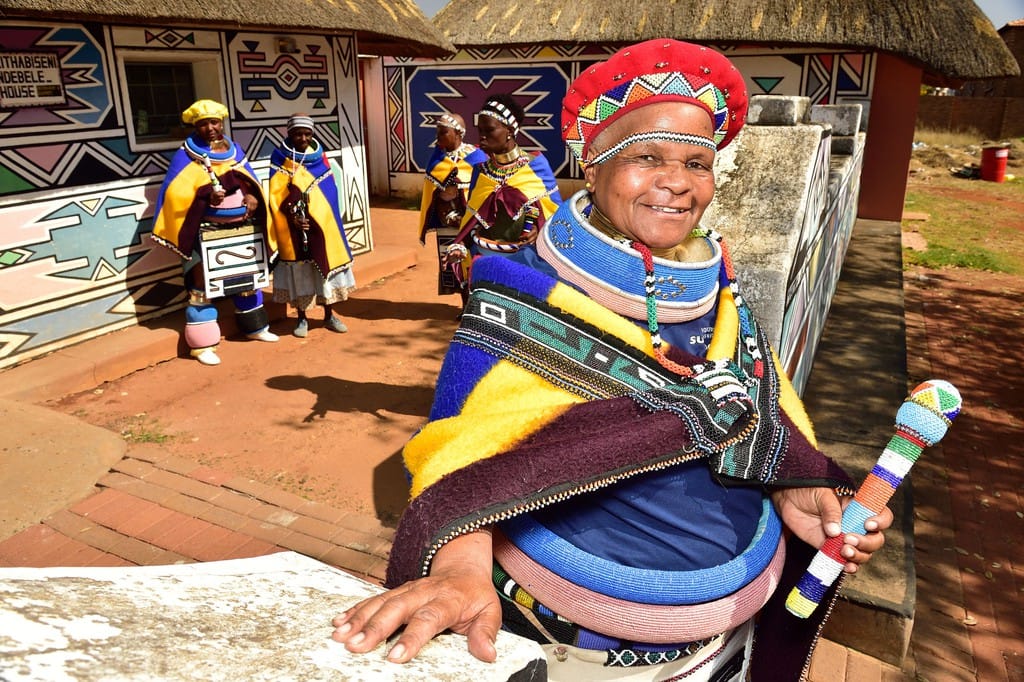
African Spirituality
Exploring the Depths of African Spirituality: A Comprehensive Guide
Introduction to African Spirituality
African spirituality is a rich and diverse tradition that has been practiced across the continent for millennia. Unlike many Western religions, African spirituality is not confined to a single belief system or set of practices. Instead, it is a complex and multifaceted way of understanding the world, one that is deeply rooted in the land, the ancestors, and the community.
At its core, African spirituality emphasizes the interconnectedness of all things—humans, nature, and the divine. It is a holistic worldview that sees the physical and spiritual realms as intertwined, with each influencing the other. This belief system is often passed down orally, through stories, rituals, and ceremonies, making it an integral part of African culture and identity.
In this article, we will explore the key elements of African spirituality, its historical significance, and how it continues to influence modern-day practices. We will also address common misconceptions and provide a detailed FAQ section to answer any lingering questions.
The Foundations of African Spirituality
The Role of Ancestors
One of the most important aspects of African spirituality is the reverence for ancestors. Ancestors are believed to be the link between the living and the spiritual world. They are seen as protectors, guides, and intermediaries who can influence the lives of their descendants. In many African cultures, it is common to perform rituals and offer sacrifices to honor the ancestors and seek their blessings.
The belief in ancestors is not just about honoring the dead; it is also about maintaining a connection to the past and ensuring the continuity of the community. Ancestors are thought to possess wisdom and knowledge that can help guide the living, and they are often consulted in times of crisis or uncertainty.
The Concept of Divinity
In African spirituality, the concept of divinity is complex and varies from one culture to another. Some African traditions believe in a single, all-powerful creator god, while others worship a pantheon of deities, each with their own specific roles and responsibilities. These deities are often associated with natural elements such as the sun, moon, rivers, and forests, reflecting the deep connection between spirituality and the natural world.
For example, in the Yoruba tradition, Olodumare is the supreme god, while the Orishas are lesser deities who govern various aspects of life, such as fertility, war, and healing. Similarly, in the Akan tradition of Ghana, Nyame is the creator god, while the Abosom are spirits that inhabit natural objects like trees and rivers.
The Importance of Nature
Nature plays a central role in African spirituality. The land, animals, and plants are all considered sacred and are believed to possess spiritual energy. This belief is reflected in the way many African communities interact with their environment, practicing sustainable agriculture and using natural resources in a way that respects the balance of the ecosystem.
In some African cultures, specific animals or plants are seen as totems, representing the spiritual identity of a clan or family. These totems are often believed to have protective powers and are treated with great reverence. For example, the Zulu people of South Africa have a strong connection to the buffalo, which is considered a symbol of strength and resilience.
Rituals and Ceremonies
Rituals and ceremonies are an essential part of African spirituality. These practices are often performed to mark important life events such as birth, marriage, and death, as well as to seek guidance from the ancestors or the divine. Rituals can involve offerings of food, drink, or animals, as well as music, dance, and prayer.
One of the most well-known African spiritual practices is divination, which is used to communicate with the spiritual world and gain insight into the future. Divination methods vary across cultures, but they often involve the use of objects such as bones, shells, or stones, which are cast or interpreted by a spiritual leader or healer.
The Historical Significance of African Spirituality
African spirituality has played a crucial role in shaping the history and culture of the continent. Before the arrival of Christianity and Islam, African spiritual practices were the dominant belief systems across the region. These traditions were deeply intertwined with the social, political, and economic structures of African societies.
During the colonial period, African spirituality was often suppressed or demonized by European missionaries and colonial authorities. Many African spiritual leaders were persecuted, and traditional practices were banned or discouraged. However, despite these efforts, African spirituality has persisted and continues to thrive in many parts of the continent.
In recent years, there has been a resurgence of interest in African spirituality, both within Africa and among the African diaspora. This revival is often seen as a way of reclaiming cultural identity and resisting the legacy of colonialism.
African Spirituality in the Modern World
The Influence of African Spirituality on Global Religions
African spirituality has had a profound influence on many global religions, particularly in the Americas, where African slaves brought their spiritual practices with them. In countries such as Brazil, Cuba, and Haiti, African spiritual traditions have blended with Christianity to create syncretic religions such as Candomblé, Santería, and Vodou.
These religions retain many elements of African spirituality, including the worship of ancestors and deities, the use of rituals and divination, and the emphasis on the interconnectedness of the physical and spiritual worlds. They have also developed their own unique practices and beliefs, reflecting the cultural and historical contexts in which they emerged.
The Role of African Spirituality in Healing
African spirituality is often closely linked to healing practices. Traditional healers, known as sangomas in Southern Africa or babalawos in West Africa, are believed to possess the ability to communicate with the spiritual world and use this knowledge to diagnose and treat illnesses. Healing practices can involve the use of herbs, rituals, and spiritual consultations.
In many African communities, illness is seen as a result of an imbalance between the physical and spiritual realms. Healing, therefore, involves not only treating the physical symptoms but also addressing the underlying spiritual causes. This holistic approach to health is one of the key features of African spirituality and continues to be practiced today.
African Spirituality and Environmentalism
The deep connection between African spirituality and nature has made it an important framework for environmentalism. Many African spiritual traditions emphasize the importance of living in harmony with the natural world and protecting the environment for future generations. This belief is reflected in practices such as sustainable farming, conservation efforts, and the protection of sacred sites.
In recent years, there has been growing recognition of the role that indigenous spiritual traditions, including African spirituality, can play in addressing global environmental challenges. By promoting a worldview that values the interconnectedness of all life, African spirituality offers a powerful alternative to the exploitative practices that have contributed to environmental degradation.
Common Misconceptions About African Spirituality
Despite its rich history and cultural significance, African spirituality is often misunderstood or misrepresented. Here are some common misconceptions:
- African spirituality is primitive or outdated: This misconception stems from colonial attitudes that viewed African cultures as inferior to Western ones. In reality, African spirituality is a complex and sophisticated belief system that continues to evolve and adapt to modern contexts.
- African spirituality is the same across the continent: Africa is a vast and diverse continent, and there are many different spiritual traditions practiced by various ethnic groups. While there are some common themes, such as the reverence for ancestors and the importance of nature, each tradition has its own unique beliefs and practices.
- African spirituality is incompatible with modern life: Far from being a relic of the past, African spirituality continues to play an important role in the lives of many people today. It offers valuable insights into issues such as community, identity, and environmental stewardship, which are relevant to modern challenges.
FAQ: African Spirituality
1. What is African spirituality?
It refers to the diverse set of beliefs and practices that have been developed by African cultures over thousands of years. It emphasizes the interconnectedness of all things—humans, nature, and the divine—and often involves the worship of ancestors and deities, as well as rituals and ceremonies.
2. How does African spirituality differ from Western religions?
One of the key differences between African spirituality and Western religions is the emphasis on the community and the natural world. While Western religions often focus on individual salvation and a separation between the physical and spiritual realms, African spirituality sees these realms as interconnected and emphasizes the importance of maintaining harmony between them.
3. What role do ancestors play in African spirituality?
Ancestors are believed to be the link between the living and the spiritual world. They are seen as protectors, guides, and intermediaries who can influence the lives of their descendants. Honoring the ancestors through rituals and offerings is an important part of African spiritual practices.
4. How has African spirituality influenced other religions?
African spirituality has had a significant influence on many global religions, particularly in the Americas. African slaves brought their spiritual practices with them, and these traditions blended with Christianity to create syncretic religions such as Candomblé, Santería, and Vodou.
5. Is African spirituality still practiced today?
Yes, African spirituality is still widely practiced across the continent and among the African diaspora. In recent years, there has been a resurgence of interest in African spiritual traditions, as people seek to reclaim their cultural identity and resist the legacy of colonialism.
Conclusion
African spirituality is a rich and diverse tradition that offers valuable insights into the interconnectedness of all life. It is a belief system that emphasizes community, nature, and the spiritual realm, and it continues to play an important role in the lives of many people today. By understanding and appreciating African spirituality, we can gain a deeper understanding of African culture and history, as well as the ways in which spirituality can help us navigate the challenges of the modern world.