
Animals in Pian Upe
Animals in Pian Upe
The Untamed Wilderness: A Complete Guide to Animals in Pian Upe Wildlife Reserve
Introduction to Pian Upe: Uganda’s Hidden Wildlife Treasure
Nestled in the remote northeastern corner of Uganda, the Pian Upe Wildlife Reserve is a vast expanse of unspoiled savannah, rugged hills, and acacia-dotted plains. Spanning over 2,788 square kilometers, it is Uganda’s second-largest protected area after Murchison Falls National Park. Despite its size and ecological significance, Pian Upe remains one of the least explored wildlife destinations in East Africa.
This article delves deep into the fascinating world of animals that inhabit this pristine reserve. From elusive predators to vibrant birdlife, we explore the biodiversity, conservation efforts, and the unique ecological role of each species. Whether you’re a wildlife enthusiast, a conservationist, or a traveler seeking off-the-beaten-path adventures, this guide is your ultimate resource.
A Brief History of Pian Upe Wildlife Reserve
Before diving into the animal kingdom, it’s essential to understand the historical context of Pian Upe. Originally established as a game reserve in the 1960s, it was primarily intended to protect the region’s rich biodiversity. Over the decades, political instability and poaching posed significant threats to its wildlife. However, recent conservation initiatives and increased government involvement have led to a resurgence of animal populations.
Today, Pian Upe is managed by the Uganda Wildlife Authority (UWA) and is part of the larger Mount Elgon Conservation Area, which includes the Matheniko and Bokora wildlife reserves.
Mammals of Pian Upe: A Diverse and Resilient Population
1. The Iconic Cheetah
Pian Upe is one of the few places in Uganda where you can spot the cheetah in the wild. Known for their unmatched speed and grace, cheetahs are elusive and often roam the open plains in search of prey.
- Habitat: Open savannah and grasslands
- Diet: Small to medium-sized ungulates such as impalas and hares
- Conservation Status: Vulnerable
The presence of cheetahs in Pian Upe is a testament to the reserve’s ecological health. Conservationists are working tirelessly to monitor their population and ensure their survival through anti-poaching efforts and habitat protection.
2. The Majestic Roan Antelope
Among the most striking antelopes in Africa, the roan antelope is characterized by its long, ringed horns and robust build. Pian Upe is one of the few places in Uganda where this species can still be found.
- Habitat: Wooded savannahs and grasslands
- Diet: Grasses and herbs
- Conservation Status: Near Threatened
Roan antelopes are shy and tend to avoid human contact, making sightings particularly special for wildlife enthusiasts.
3. The Graceful Eland
The common eland, Africa’s largest antelope, also roams the plains of Pian Upe. Despite their size, elands are surprisingly agile and can jump great heights when startled.
- Habitat: Open woodlands and savannahs
- Diet: Leaves, grasses, and fruits
- Conservation Status: Least Concern
Elands play a crucial role in the ecosystem by aiding in seed dispersal and maintaining the balance of vegetation.
4. Olive Baboons and Vervet Monkeys
Primates are a common sight in the reserve, especially the olive baboon and vervet monkey. These social animals are often seen in troops, foraging for food or grooming each other.
- Habitat: Forest edges and riverine areas
- Diet: Omnivorous – fruits, insects, small animals
- Conservation Status: Least Concern
Their presence indicates a healthy and diverse habitat, as primates are often considered keystone species in forest ecosystems.
5. The Elusive Leopard
Although rarely seen, leopards inhabit the rocky outcrops and dense thickets of Pian Upe. These solitary predators are masters of camouflage and primarily hunt at night.
- Habitat: Rocky hills and dense bush
- Diet: Medium-sized mammals, birds, and reptiles
- Conservation Status: Vulnerable
Leopards are vital for controlling prey populations and maintaining ecological balance.
Avian Wonders: Birdlife in Pian Upe
Pian Upe is a birdwatcher’s paradise, boasting over 242 recorded bird species. The reserve’s diverse habitats – from wetlands to savannah – support a wide range of avian life.
Notable Bird Species
- Secretary Bird – Known for its long legs and snake-hunting prowess
- Abyssinian Ground Hornbill – A large terrestrial bird with a booming call
- Jackson’s Hornbill – Endemic to northeastern Uganda
- Karamoja Apalis – A rare and localized species found only in this region
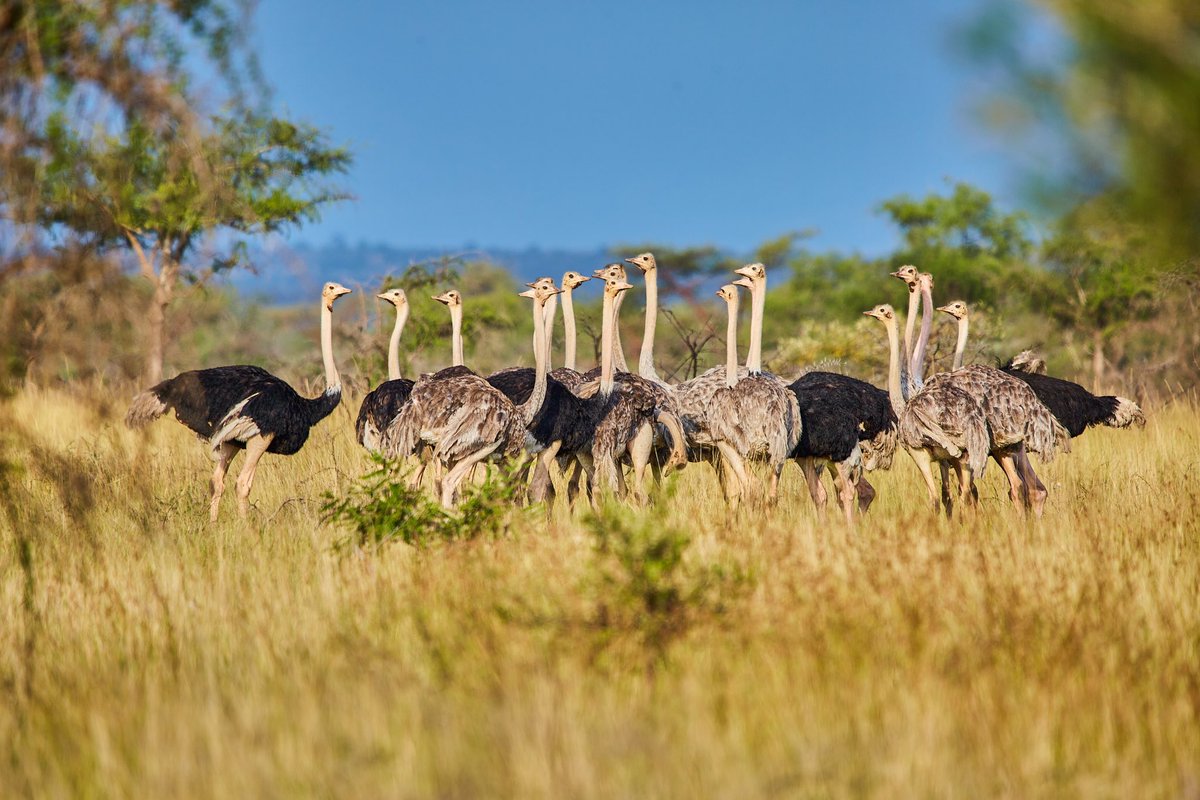
- Ostrich – The world’s largest bird, often seen in open plains
Birding in Pian Upe is best during the dry season when migratory species are present and visibility is high.
Reptiles and Amphibians: The Cold-Blooded Inhabitants
Though less celebrated, reptiles and amphibians play a vital role in the ecosystem. Pian Upe is home to several species, including:
- Nile Monitor Lizards
- Agama Lizards
- African Rock Python
- Various frog species in seasonal wetlands
These creatures contribute to pest control and serve as prey for larger animals, maintaining the food web’s integrity.
Insects and Arthropods: The Unsung Heroes
From pollinators to decomposers, insects are essential to the health of Pian Upe’s ecosystem. Key groups include:
- Butterflies – Over 100 species, crucial for pollination
- Beetles – Including dung beetles that aid in nutrient cycling
- Termites – Engineers of the savannah, creating mounds that support biodiversity
Conservation Challenges and Efforts
Despite its biodiversity, Pian Upe faces several threats:
- Poaching – Targeting antelopes and predators
- Encroachment – Human settlements and agriculture
- Climate Change – Altering rainfall patterns and vegetation
Ongoing Conservation Measures
- Community Involvement – Local communities are engaged in eco-tourism and conservation education
- Anti-Poaching Patrols – Conducted by the Uganda Wildlife Authority
- Research and Monitoring – Ongoing studies to track animal populations and habitat health
Ecotourism and Wildlife Safaris in Pian Upe
Tourism is slowly gaining traction in Pian Upe, offering opportunities for:
- Game Drives – Best done in the early morning or late afternoon
- Bird Watching Tours – Led by experienced local guides
- Camping and Nature Walks – For those seeking immersive experiences
Best Time to Visit
- Dry Season (December to March) – Ideal for wildlife viewing
- Wet Season (April to May, October to November) – Lush landscapes and migratory birds
How to Get to Pian Upe
- By Road: Approximately 8 hours from Kampala via Mbale and Soroti
- By Air: Charter flights to Amudat Airstrip, followed by a short drive
Frequently Asked Questions (FAQ)
1. What animals can I expect to see in Pian Upe?
You can spot a wide range of animals, including cheetahs, roan antelopes, eland, leopards, olive baboons, and over 240 species of birds.
2. Is Pian Upe safe for tourists?
Yes, it is generally safe. The Uganda Wildlife Authority ensures security through ranger patrols and community engagement. Always travel with a registered tour operator.
3. What is the best time to visit Pian Upe?
The dry season (December to March) is ideal for wildlife viewing. However, birdwatchers may prefer the wet season for migratory species.
4. Are there accommodations inside the reserve?
Yes, there are basic campsites and a few eco-lodges. Visitors can also stay in nearby towns like Mbale or Moroto.
5. How is Pian Upe different from other parks in Uganda?
Unlike more popular parks like Queen Elizabeth National Park, Pian Upe offers a raw, untouched wilderness experience with fewer tourists and unique species like the cheetah and roan antelope.
Conclusion: Why Pian Upe Deserves a Spot on Your Wildlife Bucket List
Pian Upe is a sanctuary of solitude, biodiversity, and untamed beauty. Its rich tapestry of wildlife, from the swift cheetah to the towering ostrich, offers an experience unlike any other in Uganda. As conservation efforts continue to bear fruit, the reserve is poised to become a premier destination for eco-tourism and wildlife research.
Whether you’re tracking the elusive leopard, marveling at the flight of the secretary bird, or simply soaking in the vast savannah under a golden sunset, Pian Upe promises a journey into the heart of wild Africa — raw, real, and unforgettable.