
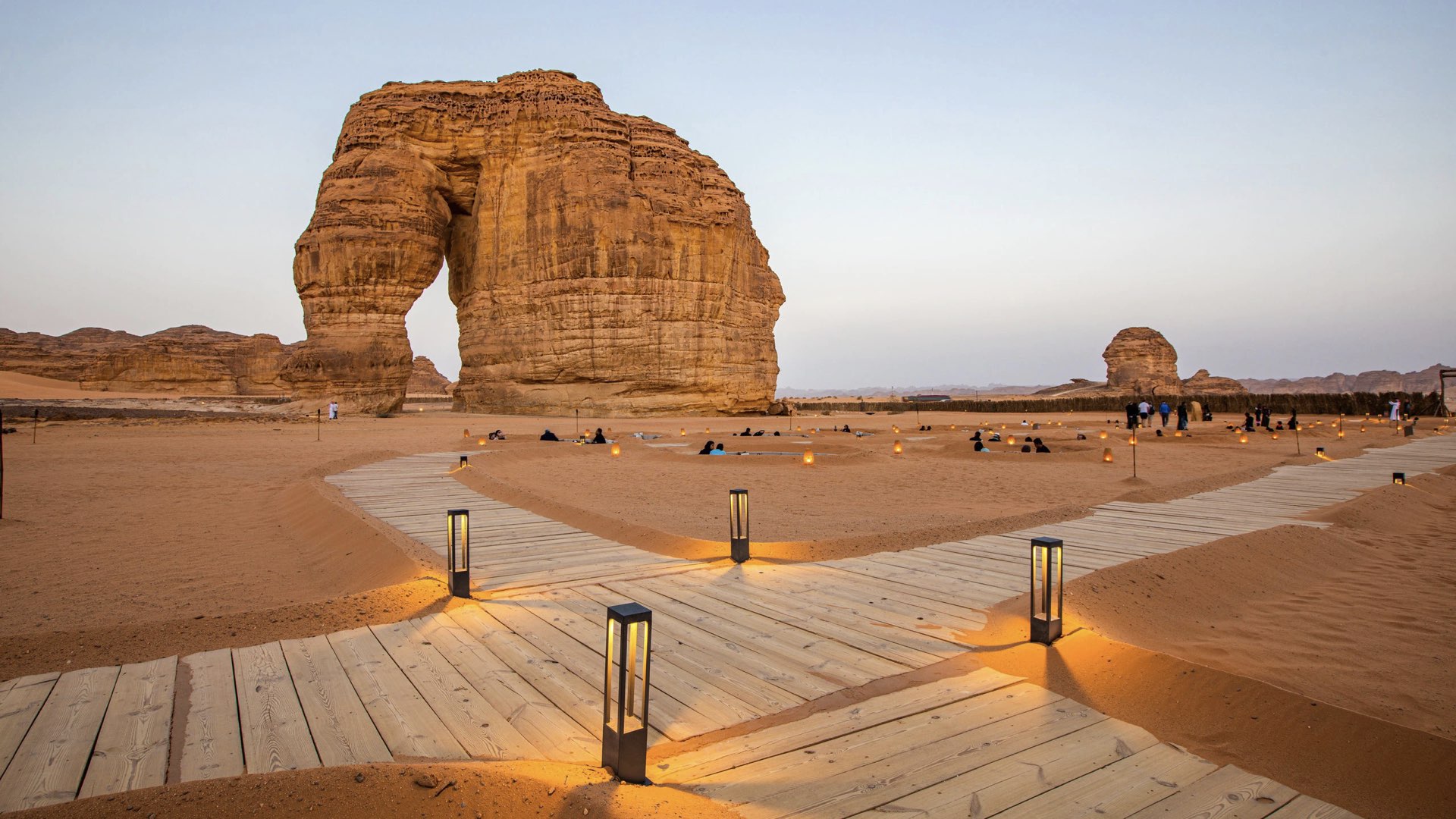
Arab Tourism
Arab Tourism
Arab Tourism: A Deep Dive into the Cultural, Economic, and Experiential Renaissance of the Arab World
Introduction
The Arab world, a region rich in history, culture, and natural beauty, is experiencing a transformative boom in tourism. From the golden dunes of the Arabian Desert to the bustling souks of Marrakech and the futuristic skyline of Dubai, Arab tourism is evolving into a global phenomenon. This article explores the multifaceted dimensions of tourism in Arab countries, examining its economic impact, cultural significance, and the strategic developments that are propelling the region into the spotlight of global travel.
The Rise of Arab Tourism
Economic Diversification and Visionary Strategies
Several Arab nations, notably Saudi Arabia, the United Arab Emirates, and Qatar, have launched ambitious initiatives to diversify their economies beyond oil. Central to these strategies is the development of a robust and sustainable tourism sector.
- Saudi Arabia’s Vision 2030: A strategic framework aimed at reducing the kingdom’s dependency on oil by investing in sectors like tourism, entertainment, and culture. Projects such as NEOM and AlUla are key pillars.
- UAE’s Tourism Vision 2031: With Dubai and Abu Dhabi at the helm, the UAE aims to attract 40 million hotel guests by 2031, leveraging events like Expo 2020 and world-class infrastructure.
- Qatar National Vision 2030: Qatar is positioning itself as a cultural and sports tourism hub, especially after hosting the FIFA World Cup 2022.
Infrastructure and Innovation
Arab countries are investing heavily in infrastructure to support tourism growth:
- Expansion of international airports (e.g., Hamad International Airport, King Abdulaziz International Airport)
- Development of high-speed rail systems and luxury cruise terminals
- Smart city projects integrating AI and IoT for seamless tourist experiences
Cultural Heritage and Historical Tourism
A Tapestry of Civilizations
The Arab world is a cradle of ancient civilizations, offering a wealth of historical sites:
- Egypt: Home to the Pyramids of Giza, the Sphinx, and the Valley of the Kings
- Jordan: The rose-red city of Petra
- Iraq: The ancient cities of Babylon and Ur
- Lebanon: Roman ruins in Baalbek and the Phoenician heritage of Byblos
These sites are not only UNESCO World Heritage treasures but also powerful magnets for cultural tourism.
Revival of Islamic Tourism
Religious tourism is a cornerstone of Arab tourism, especially in:
- Saudi Arabia: Hosting millions of Muslims for Hajj and Umrah in Mecca and Medina
- Iraq and Iran: Pilgrimage to the shrines of Imam Ali and Imam Hussein
- Jerusalem: A sacred city for Muslims, Christians, and Jews alike
Experiential and Adventure Tourism
Desert Escapes and Eco-Tourism
The vast deserts of the Arab world offer unique experiences:
- Camel trekking in the Sahara Desert
- Stargazing in the Empty Quarter (Rub’ al Khali)
- Bedouin-style desert camps in Wadi Rum
Eco-tourism is gaining traction, with protected areas like:
- Dana Biosphere Reserve in Jordan
- Farasan Islands in Saudi Arabia
- Oman’s Ras al Jinz Turtle Reserve
Coastal and Marine Tourism
The Arab world boasts stunning coastlines along the Red Sea, Arabian Gulf, and Mediterranean:
- Red Sea Project: A luxury regenerative tourism destination in Saudi Arabia
- Dubai’s Palm Jumeirah: Iconic man-made islands with luxury resorts
- Oman’s Musandam Peninsula: Known as the “Norway of Arabia” for its fjord-like inlets
Activities include:
- Scuba diving and snorkeling
- Yacht charters and cruises
- Kite surfing and parasailing
Culinary Tourism: A Feast for the Senses
Arab cuisine is as diverse as its geography, offering travelers a gastronomic journey:
- Levantine Delights: Hummus, falafel, tabbouleh, and shawarma
- Gulf Specialties: Kabsa, machboos, and dates
- North African Flavors: Couscous, tagine, and harira
Culinary tours, food festivals, and cooking classes are becoming popular, especially in cities like:
- Beirut
- Marrakech
- Jeddah
- Doha
Festivals and Events: Celebrating Arab Identity
Arab countries host a vibrant calendar of festivals that showcase their rich traditions and modern creativity:
- Dubai Shopping Festival: A month-long extravaganza of retail and entertainment
- Jeddah Season: A cultural celebration with concerts, art, and performances
- Marrakech International Film Festival
- Abu Dhabi Art and Culture Summit
These events not only attract tourists but also position the region as a global cultural hub.
Digital Transformation in Arab Tourism
Smart Tourism and Digital Platforms
Arab governments and private sectors are embracing digital transformation:
- AI-powered travel apps and chatbots
- Virtual reality tours of historical sites
- Blockchain-based booking systems
Examples include:
- Visit Saudi: A comprehensive tourism portal
- Dubai 360: A virtual tour platform
- Qatar Tourism App: Personalized itineraries and AR features
Social Media and Influencer Marketing
Arab destinations are leveraging platforms like Instagram, TikTok, and YouTube to promote tourism. Influencers play a pivotal role in shaping perceptions and attracting younger travelers.
Challenges and Opportunities
Challenges
- Political instability in some regions
- Environmental sustainability concerns
- Cultural sensitivity and balancing modernization with tradition
Opportunities
- Youth-driven innovation and entrepreneurship
- Untapped destinations (e.g., Algeria, Sudan, Libya)
- Collaboration with international tourism bodies (e.g., UNWTO)
The Future of Arab Tourism
The future of tourism in the Arab world is bright, driven by:
- Strategic investments
- Cultural renaissance
- Technological innovation
As the region continues to open its doors to the world, it offers travelers not just destinations, but deeply enriching experiences that blend the ancient and the futuristic.
Frequently Asked Questions (FAQ)
1. What are the top tourist destinations in the Arab world?
Some of the most popular destinations include:
Each offers a unique blend of culture, history, and modern attractions.
2. Is it safe to travel to Arab countries?
Most Arab countries are safe for tourists, especially those with established tourism sectors like the UAE, Jordan, and Morocco. It’s advisable to check travel advisories and follow local guidelines.
3. What is the best time to visit the Arab world?
The ideal time is between October and April when the weather is cooler. This period is perfect for outdoor activities, festivals, and desert excursions.
4. Do I need a visa to visit Arab countries?
Visa requirements vary by country and nationality. Many countries offer e-visas or visa-on-arrival options. Check official tourism websites like Visit Saudi or Visit Dubai for up-to-date information.
5. What are the cultural norms travelers should be aware of?
Respect for local customs is essential:
- Dress modestly, especially in religious sites
- Avoid public displays of affection
- Be mindful during Ramadan (e.g., no eating in public during fasting hours)
Conclusion
Arab tourism is not merely a sector—it is a movement. A movement that intertwines ancient legacies with futuristic visions, offering travelers a kaleidoscope of experiences. Whether you seek the serenity of the desert, the pulse of modern cities, or the depth of cultural heritage, the Arab world welcomes you with open arms and a story waiting to be discovered.