
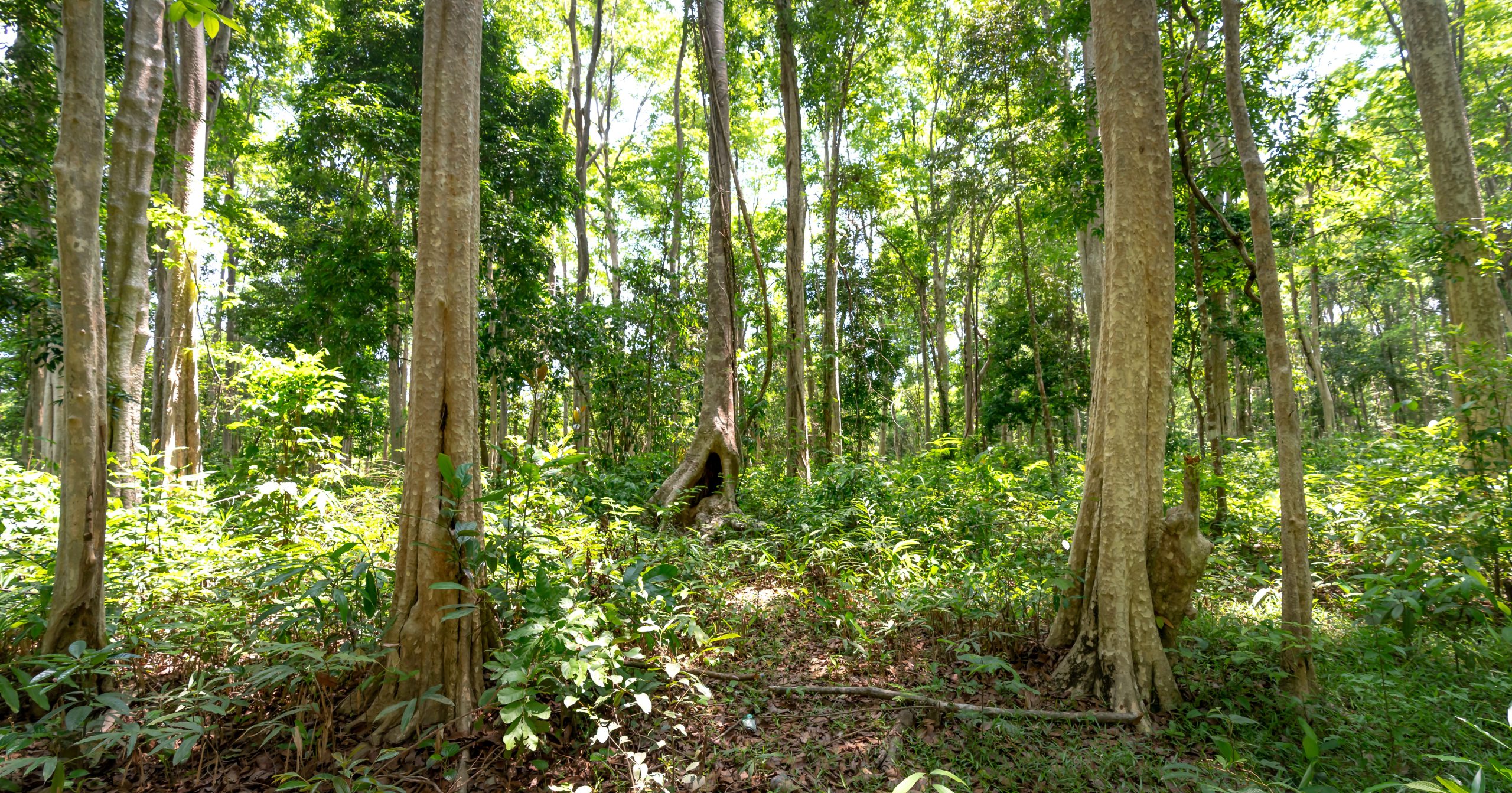
Arabuko Sokoke Forest
Arabuko Sokoke Forest
Arabuko Sokoke Forest: Kenya’s Hidden Coastal Wildlife Paradise
Nestled along Kenya’s stunning coastline, Arabuko Sokoke Forest is the largest remaining coastal forest in East Africa and one of the continent’s most important biodiversity hotspots. Covering approximately 420 square kilometers in Kilifi County near Malindi and Watamu, this remarkable forest is a haven for rare wildlife, endemic bird species, unique mammals, butterflies, reptiles, and indigenous trees. It offers visitors an unforgettable experience away from the crowds found in many of Kenya’s famous national parks.
Whether you’re an avid birder, wildlife enthusiast, photographer, or nature lover, Arabuko Sokoke Forest provides an authentic African forest adventure filled with extraordinary discoveries.
Where is Arabuko Sokoke Forest?
Arabuko Sokoke Forest is located on Kenya’s north coast between Malindi and Watamu, approximately 120 kilometers north of Mombasa. The forest is easily accessible by road and is often combined with beach holidays along the Indian Ocean.
The reserve forms part of the East African Coastal Forest ecosystem, one of the world’s globally recognized biodiversity hotspots due to its exceptional concentration of endemic species.
History of Arabuko Sokoke Forest
The forest has been protected for decades because of its incredible ecological value. Initially gazetted as a protected forest during the colonial era, it has become one of Kenya’s most significant conservation areas.
Today, the forest is jointly managed through conservation partnerships that involve the Kenya Forest Service, Kenya Wildlife Service, research institutions, conservation organizations, and surrounding local communities. Community participation has played a major role in reducing illegal logging and protecting wildlife through sustainable livelihood projects such as beekeeping and butterfly farming.
Unique Habitats
Arabuko Sokoke contains three main forest habitats, each supporting different wildlife communities:
Mixed Forest
This dense habitat supports many rare birds and mammals while offering excellent birdwatching opportunities.
Cynometra Forest
Dominated by Cynometra trees, this habitat is home to several endemic mammals including the famous Golden-rumped Elephant Shrew.
Brachystegia Woodland
An open woodland ecosystem ideal for guided nature walks and home to numerous butterflies and birds.
These varied habitats make the forest one of Africa’s richest ecosystems.
Wildlife in Arabuko Sokoke Forest
Although dense forests make wildlife viewing more challenging than open savannah parks, the forest shelters many fascinating species.
Mammals
Visitors may encounter:
- African Elephant
- African Buffalo
- Golden-rumped Elephant Shrew
- Ader’s Duiker
- Sokoke Bushy-tailed Mongoose
- Yellow Baboons
- Sykes Monkeys
- Bushbucks
- Bush Pigs
- African Civets
Many of these species are found nowhere else in the world.
Bird Watching Paradise
Arabuko Sokoke is internationally famous among birdwatchers.
Over 480 bird species have been recorded, including several globally threatened and endemic birds.
Highlights include:
- Sokoke Scops Owl
- Clarke’s Weaver
- East Coast Akalat
- African Pitta (seasonal)
- Green Barbet
- Fischer’s Turaco
- African Pygmy Kingfisher
- Crowned Eagle
Birdwatching is excellent throughout the year, with experienced local guides helping visitors locate elusive species.
Butterflies and Insects
The forest hosts hundreds of butterfly species, many unique to the East African coast. Butterfly conservation projects involving nearby communities have become internationally recognized examples of successful conservation while providing sustainable income for local residents.
Things to Do in Arabuko Sokoke Forest
Guided Nature Walks
Walking through the forest offers opportunities to learn about medicinal plants, wildlife, insects, and ecological conservation.
Bird Watching
One of Africa’s finest birding destinations with expert local guides available.
Wildlife Photography
Photographers enjoy capturing rare birds, forest mammals, butterflies, and beautiful landscapes.
Forest Hiking
Numerous trails explore different habitats, allowing visitors to experience the forest’s rich biodiversity.
Cultural Experiences
Nearby communities offer cultural tours where visitors learn traditional lifestyles, conservation efforts, and local crafts.
Best Time to Visit
Arabuko Sokoke Forest can be visited year-round.
The best months are:
- January to March – Dry weather with excellent wildlife viewing.
- July to October – Cooler temperatures and ideal birdwatching conditions.
The rainy seasons (April–June and November–December) bring lush vegetation but can make some trails muddy.
Conservation Importance
Arabuko Sokoke is considered one of Africa’s highest-priority conservation areas because of its extraordinary concentration of endemic wildlife and plants.
Conservation initiatives include:
- Forest protection
- Community ecotourism
- Butterfly farming
- Sustainable beekeeping
- Scientific research
- Environmental education
- Elephant conflict mitigation
These programs help preserve the forest while improving livelihoods for neighboring communities.
Nearby Attractions
Visitors often combine Arabuko Sokoke Forest with:
- Watamu Marine National Park
- Malindi Marine National Park
- Gede Ruins
- Mida Creek
- Watamu Beaches
- Malindi Town
Together, these destinations create a perfect mix of wildlife, culture, history, and coastal relaxation.
Why Visit Arabuko Sokoke Forest?
Arabuko Sokoke is unlike any other safari destination in East Africa. Instead of open grasslands filled with large herds, it offers a peaceful forest ecosystem where every walk reveals rare birds, unique mammals, colorful butterflies, and fascinating plant life.
Its exceptional biodiversity, conservation success stories, and tranquil atmosphere make it one of Kenya’s best-kept natural treasures.
Explore East Africa with Turkana Wildlife Safaris Uganda
At Turkana Wildlife Safaris Uganda, we specialize in unforgettable wildlife experiences across East Africa. Whether you’re planning a birdwatching expedition in Kenya’s Arabuko Sokoke Forest, a Big Five safari in the Maasai Mara, gorilla trekking in Uganda’s Bwindi Impenetrable National Park, chimpanzee tracking in Kibale Forest, or exploring the stunning landscapes of Rwanda and Tanzania, our tailor-made safari packages deliver exceptional adventures.
Our experienced guides, customized itineraries, comfortable accommodations, and commitment to sustainable tourism ensure every journey is memorable. Let Turkana Wildlife Safaris Uganda help you discover the incredible wildlife, cultures, and natural beauty that make East Africa one of the world’s premier safari destinations.
Frequently Asked Questions (FAQs)
1. Where is Arabuko Sokoke Forest located?
It is located in Kilifi County on Kenya’s coast, between Malindi and Watamu.
2. Why is Arabuko Sokoke Forest famous?
It is famous for being East Africa’s largest remaining coastal forest and for its exceptional biodiversity, including many rare and endemic species.
3. Can visitors see elephants?
Yes. African elephants inhabit the forest, particularly around swamp areas, though sightings are less predictable than in open savannah parks.
4. Is the forest good for birdwatching?
Absolutely. It is considered one of Africa’s top birdwatching destinations, with more than 480 recorded bird species.
5. What activities are available?
Visitors can enjoy guided forest walks, birdwatching, wildlife photography, hiking, and cultural tours.
6. How large is the forest?
Arabuko Sokoke Forest covers approximately 420 square kilometers.
7. When is the best time to visit?
The dry seasons from January to March and July to October provide the best conditions for wildlife viewing and birdwatching.
8. Can the forest be combined with beach holidays?
Yes. It is conveniently located near Watamu and Malindi, making it an ideal addition to a Kenyan coastal vacation.
Conclusion
Arabuko Sokoke Forest is one of Kenya’s most extraordinary natural treasures, offering visitors a rare opportunity to explore an ancient coastal forest rich in wildlife, endemic birds, butterflies, and unique ecosystems. Its peaceful atmosphere, remarkable biodiversity, and strong conservation efforts make it a must-visit destination for nature lovers and eco-travelers alike.
Whether you’re seeking an unforgettable birdwatching experience, a guided forest walk, or a broader East African safari adventure, Turkana Wildlife Safaris Uganda is ready to help you create the perfect itinerary. From Kenya’s enchanting coastal forests to Uganda’s mountain gorillas and beyond, our expertly crafted safari experiences promise lasting memories in Africa’s most spectacular wilderness.