
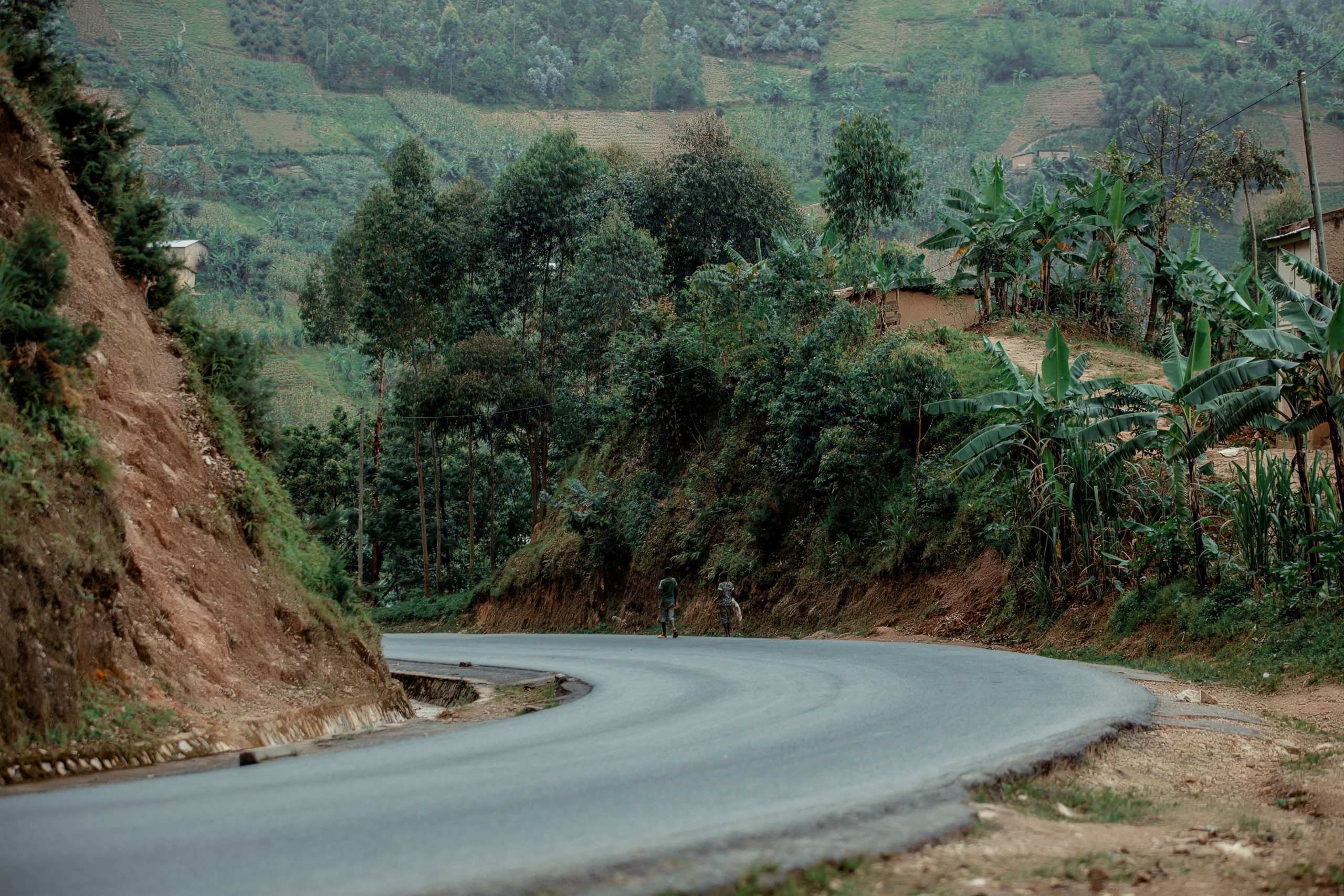
Are Roads in Uganda Good for Travel
Are Roads in Uganda Good for Travel
Are Roads in Uganda Good for Travel? A Complete Guide for Safari Travelers
Uganda is one of East Africa’s most rewarding destinations for road-based adventures. From Kampala and Entebbe to Murchison Falls, Queen Elizabeth, Kibale, Bwindi, and Kidepo Valley, many of the country’s most important tourist destinations can be reached by road.
But are roads in Uganda good for travel? The answer is yes in many areas, but road conditions vary considerably depending on the route, location, weather, and whether you are traveling on a major highway or a national park access road. Uganda’s tourism authority notes that the main roads are generally good, although journeys can be slower than travelers may be accustomed to, while secondary roads can be variable and sometimes require a four-wheel-drive vehicle.
For travelers planning a Uganda safari, understanding the roads is important because the journey itself is part of the experience. You will travel through green countryside, villages, farms, forests, rolling hills, wetlands, and spectacular landscapes before reaching Uganda’s wildlife destinations.
Road Conditions in Uganda
Uganda has a large road network consisting of paved highways, gravel roads, murram roads, district roads, and tracks inside national parks.
The major highways connecting Kampala with other major towns are generally paved and suitable for normal travel. However, they can contain speed bumps, busy sections, pedestrians, motorcycles, livestock, trucks, and occasional potholes. Uganda’s tourism information specifically cautions travelers to watch for pedestrians, cyclists, wildlife, and livestock on the roads.
Government road statistics also show that conditions differ significantly by road category. For the national road network in the cited government statistics, 59% was classified as good, 37% as fair, and 4% as poor. District and community roads had substantially higher proportions classified as poor.
This means that travelers should not expect every road in Uganda to have the same standard.
Are Uganda’s Main Highways Good?
Yes. Uganda’s major highways are generally the easiest roads for travelers to use.
Important safari routes include roads connecting Kampala with:
- Masaka and Mbarara
- Kabale and southwestern Uganda
- Fort Portal and western Uganda
- Jinja and eastern Uganda
- Masindi and Murchison Falls
- Kabale and Kisoro
- Entebbe and Kampala
The main roads are predominantly paved, although traffic and road conditions can affect travel times. Uganda drives on the left-hand side, and major roads can be busy with trucks, buses, motorcycles, pedestrians, and other vehicles.
The Kampala–Entebbe Expressway is among the country’s most modern road facilities and provides a faster connection between Entebbe and Kampala.
What Are the Roads to Uganda’s National Parks Like?
This is where the answer becomes more interesting.
The major highways may be paved, but many national parks are located away from the main road network. The final approach to a park or safari lodge can involve gravel, dirt, murram, steep sections, or rough tracks.
For example:
Bwindi Impenetrable National Park
The roads approaching Bwindi vary according to the gorilla trekking sector you visit. Some sections are paved, while the final approaches can involve steep and winding murram roads.
Because of the mountainous terrain and occasional rain, a capable 4×4 safari vehicle is highly recommended.
Queen Elizabeth National Park
The main routes approaching Queen Elizabeth National Park are generally accessible by paved roads, but game-drive tracks inside the park are unpaved.
These dirt tracks can become dusty during dry weather and muddy following heavy rainfall.
Kibale Forest National Park
Kibale is relatively accessible from Fort Portal, with good road connections to the park area. Once inside or approaching particular accommodation facilities, travelers may encounter dirt roads.
Murchison Falls National Park
The main approach from the south is relatively accessible, while roads and game tracks inside the park are predominantly dirt or murram.
Kidepo Valley National Park
Kidepo is one of Uganda’s most remote safari destinations. Reaching the park by road involves long distances and sections of unpaved road. Travelers should allow plenty of time and use a reliable 4×4 safari vehicle.
Does Rain Make Uganda’s Roads Difficult?
Yes, particularly on unpaved roads.
During the dry season, many murram and dirt roads are relatively firm and easy for a suitable safari vehicle. During periods of heavy rain, however, some roads can become muddy and slippery.
This is especially important around mountainous destinations such as Bwindi and on remote roads leading to national parks.
A 4×4 vehicle gives safari travelers greater ground clearance, traction, and comfort when road conditions deteriorate.
Do You Need a 4×4 for a Uganda Safari?
For a typical Uganda safari, a 4×4 safari vehicle is strongly recommended.
You may spend substantial portions of your journey on paved highways, but the roads inside national parks and the final approaches to some lodges can be rough.
A 4×4 is particularly useful for:
- Gorilla trekking trips in Bwindi
- Safaris in Kidepo Valley
- Murchison Falls game drives
- Queen Elizabeth National Park
- Remote lodges
- Rainy-season travel
- Routes involving steep or mountainous terrain
A professional safari company can select a vehicle appropriate for the specific itinerary.
Is It Better to Hire a Driver for a Uganda Safari?
For international visitors unfamiliar with Uganda, traveling with an experienced safari driver is often the more comfortable option.
A professional driver understands local road conditions, knows the routes to the national parks, can adjust driving according to weather and road conditions, and can help travelers navigate busy towns and unexpected obstacles.
Self-driving is possible, but road travel outside the main cities can be challenging. The UK government travel advice also warns that road travel in Uganda can be hazardous, particularly outside major cities, and advises avoiding unnecessary nighttime travel.
For a safari holiday, having someone else handle the driving also allows you to concentrate on Uganda’s scenery and wildlife rather than worrying about navigation.
What Makes Driving in Uganda Different?
Travelers should expect a few differences from driving in Europe, North America, or other regions.
Speed Bumps
Speed bumps are common, particularly when passing through towns and villages. They can considerably reduce average travel speeds.
Pedestrians and Cyclists
Pedestrians and cyclists are common along major roads, especially around settlements.
Boda-Bodas
Motorcycle taxis, locally known as boda-bodas, are widespread. Drivers need to remain alert around them.
Livestock
Cattle, goats, sheep, and other animals may occasionally cross roads, especially in rural areas.
Heavy Traffic
Traffic around Kampala can be considerably slower than rural roads. Travelers should allow additional time when entering or leaving the capital.
Night Driving
For safari travelers, daytime driving is preferable. Road hazards can be harder to see at night, and official travel advice recommends avoiding travel outside major towns after dark except on the Kampala–Entebbe route.
Are Uganda Roads Safe for Tourists?
Road travel can be safe when travelers use appropriate vehicles, experienced drivers, reasonable speeds, and sensible travel schedules.
The biggest mistake is assuming that a good paved highway means every road along the safari itinerary will have the same standard.
A professional safari driver knows when to slow down, where road conditions may change, and how to approach difficult sections.
Travelers should also avoid rushing between destinations. Uganda is a relatively large country, and safari journeys often take longer than the distance on a map might suggest.
Best Tips for Traveling on Uganda Roads
If you are planning a road safari in Uganda, consider the following:
- Use a reliable 4×4 safari vehicle.
- Travel with an experienced local driver-guide.
- Allow extra time for long journeys.
- Avoid unnecessary nighttime driving.
- Slow down around towns and villages.
- Expect speed bumps and occasional potholes.
- Be prepared for dirt and murram roads near national parks.
- Allow additional time during rainy weather.
- Carry drinking water for long journeys.
- Keep your itinerary flexible when visiting remote areas.
- Follow your driver’s advice on changing road conditions.
- Enjoy the scenery instead of treating every journey as simply a transfer.
Road Travel and the Uganda Safari Experience
One of the great advantages of a road safari in Uganda is that you see much more than wildlife.
Between destinations, you can observe rural communities, tea plantations, banana plantations, forests, wetlands, mountains, lakes, farms, roadside markets, and everyday Ugandan life.
The journey from one national park to another can therefore become an important part of your safari.
For visitors combining several destinations, such as Murchison Falls, Kibale, Queen Elizabeth, Bwindi, and Lake Mburo, traveling by road can provide a wonderful opportunity to experience Uganda beyond the national parks.
Why Choose Turkana Wildlife Safaris Uganda?
For travelers concerned about road conditions, choosing an experienced local safari operator can make the journey much easier.
Turkana Wildlife Safaris Uganda can help travelers plan routes according to the destinations they want to visit, the time available, the season, and the type of safari experience they prefer.
Whether you are planning a wildlife safari, gorilla trekking adventure, chimpanzee tracking experience, cultural tour, birding trip, or a combination of Uganda and Rwanda, proper route planning is essential.
A well-planned itinerary avoids unnecessary long drives and gives you more time to enjoy the country’s wildlife and landscapes.
Frequently Asked Questions
1. Are roads in Uganda good for tourists?
Yes. Major highways are generally good and paved, but secondary roads and roads leading into national parks can be rough, unpaved, or affected by weather.
2. Are Uganda roads paved?
Many major highways are paved, but numerous rural roads, national park access roads, and game-drive tracks are unpaved.
3. Do I need a 4×4 for a Uganda safari?
A 4×4 is strongly recommended, particularly for national park safaris, gorilla trekking, remote destinations, and travel during rainy periods.
4. Are roads to Bwindi good?
The main highways toward southwestern Uganda are generally paved, but the final approaches to different Bwindi sectors can involve winding, steep, and unpaved roads.
5. Are roads inside Uganda’s national parks paved?
Generally, no. Game-drive tracks are primarily dirt, gravel, or murram roads.
6. Can I self-drive in Uganda?
Yes, self-driving is possible, but visitors unfamiliar with Uganda’s roads may find it easier and safer to travel with an experienced local driver-guide.
7. Which side of the road does Uganda drive on?
Uganda drives on the left-hand side of the road.
8. Are Ugandan roads difficult during the rainy season?
Some unpaved roads can become muddy or slippery during heavy rainfall. The effect varies considerably depending on the location and road.
9. Is it safe to drive at night in Uganda?
It is generally better for safari travelers to avoid unnecessary nighttime driving, particularly outside major towns. Road hazards and visibility can make nighttime travel more difficult.
10. How long does road travel take in Uganda?
Travel times depend on the route, traffic, weather, road surface, stops, and destination. Even relatively short distances can take longer than expected because of speed bumps, villages, traffic, and winding roads.
11. Can I travel to Uganda’s national parks by road?
Yes. Road safaris are one of the most popular ways to explore Uganda, and most major wildlife and gorilla destinations can be incorporated into a road itinerary.
12. What is the best vehicle for a Uganda safari?
A well-maintained 4×4 safari vehicle, such as a Land Cruiser-type vehicle, is a popular choice because it provides good ground clearance and capability on both paved and unpaved roads.
Conclusion
So, are roads in Uganda good for travel? Yes, but travelers should expect a mixture of excellent paved highways, ordinary rural roads, and rougher park-access and game-drive tracks.
The major highways make it possible to travel comfortably between many of Uganda’s towns and tourism regions, while the more remote roads provide access to some of the country’s most spectacular wildlife destinations.
The key is not to expect every Ugandan road to be perfectly paved. Instead, choose the right vehicle, allow realistic travel times, travel with an experienced driver when possible, and plan according to the season and destination.
With the right preparation, Uganda’s road network opens the door to an incredible safari experience from the savannahs of Queen Elizabeth National Park and Murchison Falls to the forests of Kibale and Bwindi.
Turkana Wildlife Safaris Uganda can help you plan a comfortable and well-organized Uganda safari with appropriate routes, vehicles, accommodation, and activities based on your travel plans.