
Are Solo Travelers Safe in Uganda
Are Solo Travelers Safe in Uganda
Are Solo Travelers Safe in Uganda? A Complete Guide to Solo Travel in Uganda
Uganda is an exciting destination for travelers who want to experience African wildlife, mountain gorillas, chimpanzees, beautiful landscapes, vibrant culture, and welcoming communities. For people planning a trip alone, one of the most important questions is: Are solo travelers safe in Uganda?
The answer depends on where you travel, how you organize your trip, and the precautions you take. Uganda can be explored by solo travelers, but independent travel requires sensible planning, particularly when visiting remote areas and national parks.
Uganda has a well-established tourism industry, with the Uganda Wildlife Authority (UWA) managing the country’s national parks and wildlife reserves. UWA currently manages 10 national parks, including Bwindi Impenetrable, Mgahinga Gorilla, Queen Elizabeth, Murchison Falls, Kibale, and Kidepo Valley National Parks.
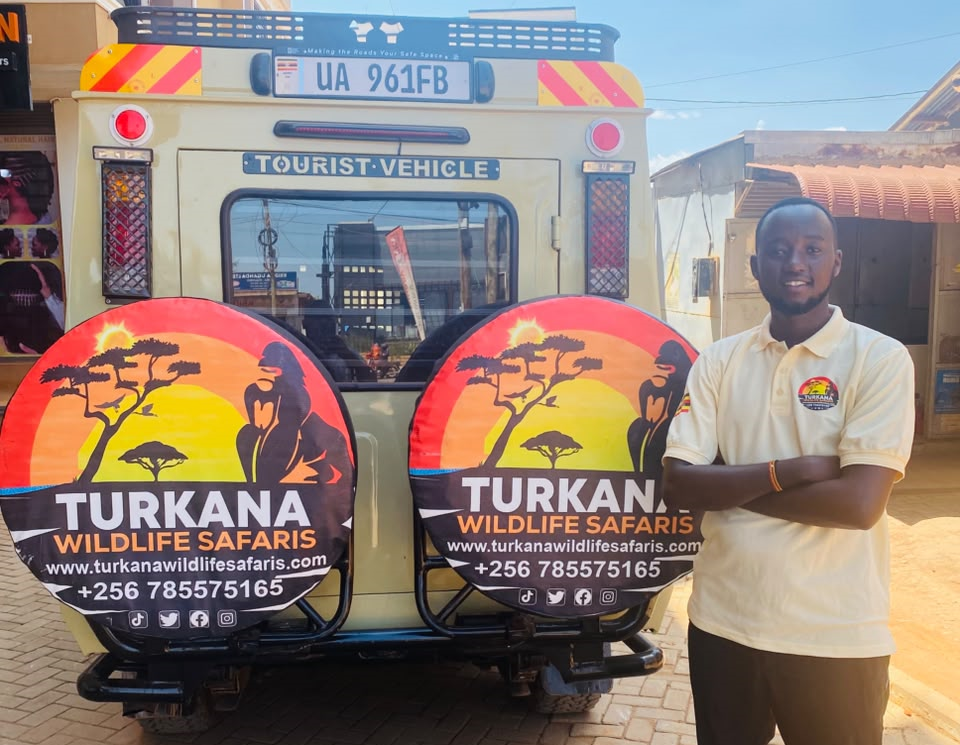
For solo travelers who want additional support, booking a private safari with a reputable local company such as Turkana Wildlife Safaris can provide transportation, guides, accommodation arrangements, and assistance throughout the journey.
Why Uganda Can Be a Good Destination for Solo Travelers
Solo travel in Uganda can be rewarding because it allows visitors to create an itinerary around their own interests. You can concentrate on wildlife, gorilla trekking, chimpanzee tracking, cultural experiences, photography, adventure activities, or a combination of several experiences.
Some of the most popular destinations include:
- Bwindi Impenetrable National Park for gorilla trekking
- Mgahinga Gorilla National Park for gorilla and golden monkey experiences
- Kibale National Park for chimpanzee tracking
- Queen Elizabeth National Park for wildlife viewing
- Murchison Falls National Park for game drives and boat safaris
- Lake Mburo National Park for wildlife and walking experiences
- Kidepo Valley National Park for remote wilderness experiences
- Kampala and Entebbe for urban, cultural, and historical experiences
Uganda’s protected areas offer a wide range of activities, from wildlife safaris to gorilla and chimpanzee tracking.
Is It Safe to Travel Around Uganda Alone?
Solo travelers should distinguish between traveling alone and traveling without local support.
You can travel alone while still using a professional driver-guide or organized safari company. For a first visit to Uganda, this can be particularly useful when traveling between national parks or visiting remote destinations.
Official travel advice recommends staying aware of your surroundings, following local authorities’ guidance, and taking particular care in certain areas. It also highlights security considerations around some national parks and areas close to the Democratic Republic of Congo border.
This means solo travelers should research their intended destinations rather than assuming that safety conditions are identical throughout the country.
Solo Safari in Uganda
A safari can actually be easier for a solo traveler when organized through a professional safari company.
A typical solo safari may include:
- Airport pickup
- Private transportation
- Professional English-speaking driver-guide
- Accommodation
- Game drives
- Park entrance fees
- Boat trips where applicable
- Gorilla or chimpanzee trekking arrangements
- Meals depending on the package
- Assistance throughout the safari
Traveling with a professional guide means you do not have to navigate unfamiliar roads, arrange park logistics yourself, or independently deal with wildlife encounters.
For example, Turkana Wildlife Safaris can help solo travelers build an itinerary based on their preferred destinations, budget, interests, and available travel time.
Safety in Uganda’s National Parks
National parks are different from cities and towns because visitors are entering wildlife habitats.
Animals such as elephants, buffaloes, hippos, lions, and other wildlife can be dangerous if approached incorrectly. Visitors should therefore follow the instructions of their driver-guide and UWA personnel.
UWA park regulations include staying on designated tracks, not disturbing wildlife, observing speed limits, and following other conservation rules.
Solo travelers should never approach wild animals on foot without authorized guides or leave vehicles in prohibited areas.
Professional safari guides understand animal behavior, park regulations, roads, and local conditions, making guided travel particularly valuable for solo visitors.
Gorilla Trekking as a Solo Traveler
Gorilla trekking is one of Uganda’s most memorable experiences and can be done by solo travelers.
Gorilla trekking takes place in Bwindi Impenetrable National Park and Mgahinga Gorilla National Park. UWA states that treks can take approximately two to seven hours depending on the location of the gorilla family and conditions in the forest.
Gorilla trekking is conducted under specific regulations. Visitors must maintain the required distance from gorillas, follow their guides’ instructions, and observe health and wildlife-protection requirements. UWA’s published regulations specify a 10-meter distance and limit visits to one hour with a gorilla group.
Solo travelers therefore aren’t simply entering the forest by themselves. The activity is organized and guided.
For foreign non-residents, UWA says gorilla and chimpanzee tracking permits are sold through tour operators licensed by the Uganda Tourism Board, and travelers are advised to verify an operator’s licensing status.
Is Kampala Safe for Solo Travelers?
Kampala is Uganda’s largest city and an important starting point for many safari trips.
As with major cities around the world, solo travelers should exercise normal urban precautions:
- Keep valuables secure.
- Avoid displaying large amounts of cash.
- Use reputable transportation.
- Be cautious with unfamiliar people offering unsolicited assistance.
- Avoid poorly lit areas at night.
- Keep important documents safely stored.
- Follow current local security advice.
The same principle applies to Entebbe, where many international travelers begin their Uganda trips.
Transportation Safety for Solo Travelers
Transportation is one of the most important considerations when traveling alone.
Uganda has several transportation options, but safari travelers heading to national parks often benefit from using a dedicated safari vehicle with a professional driver-guide.
This can make the journey easier because the driver knows the routes and safari destinations and can handle navigation while the traveler concentrates on enjoying the scenery.
For longer journeys, it is particularly useful to plan routes in advance rather than relying entirely on spontaneous transportation arrangements.
Staying Safe in Remote Safari Areas
Some Ugandan safari destinations are quite remote.
Kidepo Valley National Park, for example, is much farther from Kampala than destinations such as Lake Mburo or Queen Elizabeth National Park. Remote travel can be an incredible experience, but it requires additional logistical planning.
Solo travelers should:
- Inform someone about their itinerary.
- Carry sufficient drinking water.
- Keep their phone charged.
- Carry emergency contacts.
- Follow their guide’s instructions.
- Avoid wandering away from designated areas.
- Use established accommodation.
- Check road and security conditions before traveling.
- Keep copies of important travel documents.
- Maintain flexibility in case weather or road conditions affect the itinerary.
Health Considerations for Solo Travelers
Before traveling to Uganda, visitors should speak with an appropriate healthcare professional about travel-health requirements for their individual circumstances.
Travelers should also consider:
- Travel insurance
- Prescription medications
- Insect protection
- Safe drinking water
- Appropriate food hygiene
- Sun protection
- Comfortable walking shoes
- Basic first-aid supplies
If you are trekking in Bwindi or Mgahinga, remember that the terrain can be steep and physically demanding. UWA describes gorilla trekking as requiring moderate fitness.
How to Stay Connected
A solo traveler should avoid becoming completely disconnected, particularly when traveling through remote areas.
Before leaving for a safari:
- Share your itinerary with someone at home.
- Keep your accommodation details available.
- Save emergency contacts.
- Carry a charged phone and power bank.
- Consider having access to a local SIM or reliable mobile connection.
- Inform your safari company about any special requirements.
Good communication is especially useful if your itinerary includes several national parks.
Should Solo Travelers Book a Private or Group Safari?
Both options can work.
Private Safari
A private safari offers greater flexibility. The itinerary can be designed around your interests, preferred accommodation, photography needs, and schedule.
It can also provide greater personal attention from the guide.
Group Safari
A group safari allows you to meet other travelers and can sometimes reduce the cost per person.
For solo travelers who enjoy social interaction, joining a small group can be a good way to have company while exploring Uganda.
Solo Safari With Turkana Wildlife Safaris
Turkana Wildlife Safaris can help solo travelers organize a Uganda safari with transportation, accommodation, wildlife activities, and trekking arrangements according to the selected itinerary.
A customized itinerary can include destinations such as Bwindi, Kibale, Queen Elizabeth, Murchison Falls, Lake Mburo, or other areas depending on the traveler’s interests and schedule.
The advantage of working with a local safari company is that you have someone to coordinate the logistics rather than having to organize every part of the journey independently.
Safety Tips for Solo Travelers in Uganda
Here are some practical tips to keep in mind:
1. Choose a Reputable Safari Company
Use a properly established and licensed tourism operator, particularly for activities requiring permits.
2. Share Your Itinerary
Give a family member or trusted friend your travel schedule and accommodation details.
3. Follow Local Advice
Security conditions can change. Check current information before traveling to remote or border areas.
4. Respect Wildlife
Never approach animals, feed wildlife, or leave a safari vehicle unless your guide says it is safe and permitted.
5. Be Careful With Valuables
Keep passports, money, phones, and cameras secure.
6. Avoid Unnecessary Night Travel
When traveling between destinations, daytime journeys are generally easier to manage, especially on unfamiliar routes.
7. Follow Park Regulations
UWA’s rules exist to protect visitors, wildlife, and the environment.
8. Keep Emergency Contacts Available
Have your safari company, accommodation, local contacts, and relevant emergency numbers accessible.
9. Don’t Take Unnecessary Risks
Solo travel does not mean you need to prove your independence by handling every situation alone.
10. Keep an Open Mind
Uganda is culturally diverse, and respectful interaction with local communities can make the experience more rewarding.
Why Choose Turkana Wildlife Safaris for a Solo Uganda Safari?
Traveling alone does not necessarily mean traveling without support.
With Turkana Wildlife Safaris, a solo traveler can have a professionally organized Uganda safari while retaining the freedom to enjoy the trip at their own pace.
Depending on the itinerary, a solo safari can include:
- Gorilla trekking
- Chimpanzee tracking
- Big-game safaris
- Boat cruises
- Nature walks
- Bird watching
- Cultural experiences
- Photography safaris
- Multi-day Uganda safari tours
- Uganda and Rwanda safari combinations
The itinerary can be adapted according to your interests, budget, travel dates, and preferred accommodation style.
Frequently Asked Questions About Solo Travel in Uganda
1. Is Uganda safe for solo travelers?
Uganda can be visited by solo travelers who take sensible precautions and plan their journeys carefully. Security conditions vary by location, so travelers should check current official advice and use reputable local operators, especially for remote areas.
2. Can I go on a Uganda safari alone?
Yes. You can book a private safari as a solo traveler or join a group safari.
3. Can I go gorilla trekking alone?
Yes, but gorilla trekking itself is a guided activity. Visitors trek with authorized personnel and must follow UWA regulations.
4. Is Kampala safe for solo tourists?
Solo visitors should use normal big-city precautions, remain aware of their surroundings, secure valuables, and exercise extra caution at night.
5. Is it better to use a safari company as a solo traveler?
Using a reputable safari company can simplify transportation, accommodation, park logistics, permits, and communication, particularly for travelers visiting Uganda for the first time.
6. Can solo travelers visit Bwindi?
Yes. Bwindi is one of Uganda’s principal gorilla trekking destinations, and solo travelers can arrange guided trekking experiences there.
7. Can I visit Uganda’s national parks without a guide?
Some tourism activities have different requirements, but wildlife encounters should always be approached responsibly. For safaris and activities such as gorilla trekking, using authorized guides and following UWA regulations is essential.
8. Is Uganda suitable for first-time solo travelers?
It can be, particularly when the trip is carefully planned and transportation and safari activities are arranged with a reputable operator.
9. What should I pack for a solo Uganda safari?
Useful items include lightweight clothing, comfortable shoes, insect repellent, sunscreen, a hat, reusable water bottle, camera, power bank, personal medication, travel documents, and suitable rain protection.
10. How can Turkana Wildlife Safaris help solo travelers?
Turkana Wildlife Safaris can assist with planning a customized Uganda safari, including transportation, accommodation, wildlife experiences, and trekking arrangements based on your itinerary.
Conclusion: Solo Travel in Uganda
So, are solo travelers safe in Uganda?
Solo travel in Uganda is possible, but it should be approached with preparation and awareness. The experience becomes considerably easier when transportation, accommodation, wildlife activities, and remote-area travel are organized properly.
Uganda offers remarkable opportunities for independent-minded travelers, from gorilla trekking in Bwindi to chimpanzee tracking in Kibale and wildlife safaris in its national parks. UWA provides established regulations and guided systems for activities such as gorilla and chimpanzee tracking.
For travelers who want the freedom of a solo trip without handling every logistical detail themselves, Turkana Wildlife Safaris can help create a personalized Uganda safari that combines adventure, wildlife, culture, and professional local support.
Ready to explore Uganda on your own? Contact Turkana Wildlife Safaris to start planning your personalized solo Uganda safari.