
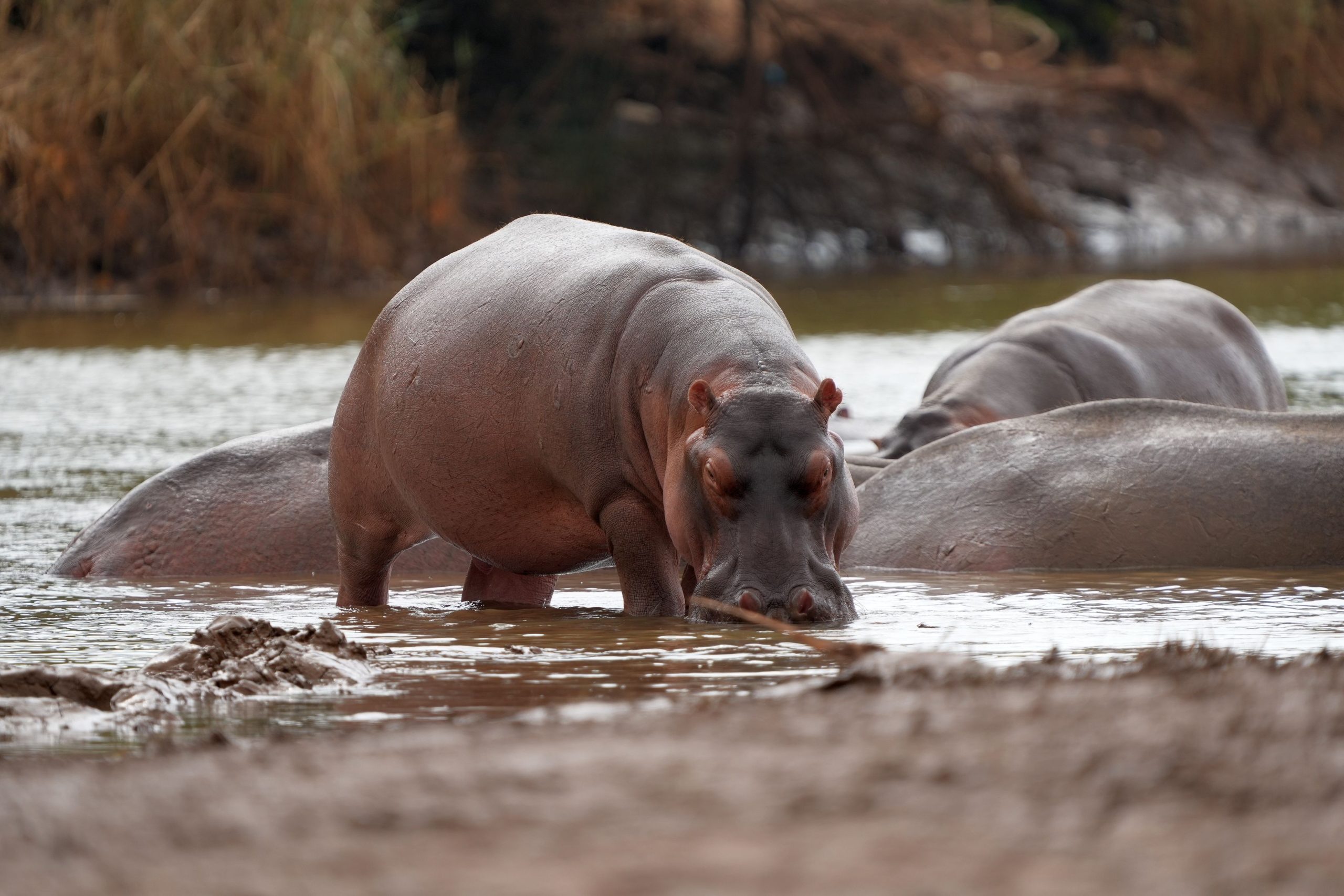
Are there hippos in Uganda’s parks
Are there hippos in Uganda’s parks
Are There Hippos in Uganda’s Parks? A Complete Guide to Hippo Safaris in Uganda
Yes, Uganda has large populations of hippopotamuses, and they are one of the most exciting animals to see on a Ugandan wildlife safari. Hippos are mainly associated with Uganda’s lakes, rivers, channels, and wetlands, where they spend much of the day partially submerged in water and come out to graze, particularly at night.
According to the Uganda Wildlife Authority (UWA) 2026 State of Wildlife Resources report, hippos are widespread in Uganda, with the largest concentrations in Queen Elizabeth National Park and Murchison Falls National Park. The report recorded an estimated 9,026 hippos in 2023/2025, up from 8,226 in 2021/2022.
For travelers interested in seeing hippos, Uganda offers several excellent opportunities, including boat cruises, game drives, and wildlife viewing around lakes and rivers.
Where Can You See Hippos in Uganda?
Several protected areas provide opportunities to see hippos, but three national parks are particularly important for hippo viewing.
1. Queen Elizabeth National Park


Queen Elizabeth National Park is one of Uganda’s most important destinations for seeing hippos. The park contains extensive waterways, including the famous Kazinga Channel, which connects Lake Edward and Lake George.
A boat cruise along the Kazinga Channel can provide excellent opportunities to observe large numbers of hippos in and beside the water. Hippos may be seen with their heads above the surface, resting along the shoreline, or grazing on nearby grasslands.
The UWA’s 2026 wildlife report states that more than 77% of Uganda’s recorded hippo population was found in the Queen Elizabeth Conservation Area, highlighting its importance for the species.
A boat safari here can also provide opportunities to see elephants, buffaloes, crocodiles and numerous waterbirds.
2. Murchison Falls National Park


Murchison Falls National Park is another major destination for hippo viewing in Uganda.
The Victoria Nile passes through the park before reaching the spectacular Murchison Falls. The river supports populations of hippos and Nile crocodiles, while elephants and other wildlife can frequently be encountered along the riverbanks.
One of the best ways to look for hippos is a boat cruise on the Victoria Nile. From the water, visitors can observe hippos resting in groups, sometimes with only their eyes, ears and nostrils visible above the surface.
The combination of hippos, crocodiles, elephants, buffaloes and birds makes the Nile boat safari one of the memorable activities in Murchison Falls.
3. Lake Mburo National Park


Lake Mburo National Park is another Ugandan park where hippos occur.
UWA’s information on Lake Mburo notes that hippos and crocodiles live in the park’s lakes.
Lake Mburo itself provides habitat for hippos, and visitors can sometimes observe them around the water during boat excursions.
Lake Mburo is also particularly interesting because it offers a different safari experience from Uganda’s larger savannah parks. Visitors can combine hippo viewing with sightings of zebras, impalas, eland, buffaloes and other wildlife.
What Is the Best Way to See Hippos in Uganda?
A boat safari is generally one of the most rewarding ways to look for hippos.
From a boat, you can approach the water carefully while maintaining a safe distance and observe hippos in their natural aquatic environment.
During a boat cruise, you may see:
- Hippos partially submerged in water
- Large groups resting together
- Hippos along riverbanks
- Nile crocodiles
- Elephants drinking or bathing
- Buffaloes near the water
- Kingfishers and other waterbirds
- African fish eagles
- Other wetland wildlife
Game drives can also produce hippo sightings, particularly around water sources and areas where hippos leave the water to graze.
When Is the Best Time to See Hippos?
Hippos can be seen throughout the year in Uganda.
However, your experience can vary depending on weather, water levels and the animals’ behavior. Because hippos spend considerable time in water during the heat of the day, boat trips can be particularly useful for observing them.
Early morning and late afternoon can also be productive periods for wildlife viewing, especially when temperatures are cooler.
The important thing to remember is that wildlife is unpredictable. Even in areas with large hippo populations, sightings and the number of animals visible can vary from one day to another.
Are Hippos Dangerous?
Yes. Hippos are powerful wild animals and should always be treated with caution.
Despite their appearance, hippos can move surprisingly quickly on land and are highly territorial around water. Visitors should never approach a hippo on foot, attempt to feed one, or leave a safari vehicle without following the instructions of their guide.
During boat safaris, experienced guides and boat crews maintain appropriate distances and follow wildlife-viewing procedures.
For this reason, travelers should always observe hippos from designated safari vehicles, boats or other safe locations.
What Do Hippos Eat?
Hippos are primarily herbivores. They spend much of their time in water during the daytime and generally leave the water to graze on grass.
A hippo can consume a considerable amount of vegetation during its nighttime grazing activities.
This dependence on water and nearby grassland explains why Uganda’s major lakes, rivers and wetlands are important habitats for hippos.
How Many Hippos Are There in Uganda?
Uganda has a significant hippo population.
The State of Wildlife Resources in Uganda 2026 reports an estimated 9,026 hippos in 2023/2025, compared with 8,226 recorded in 2021/2022. The report identifies Queen Elizabeth National Park and Murchison Falls National Park as the major areas of concentration.
These figures demonstrate the importance of Uganda’s protected areas for hippo conservation.
Hippos and Uganda’s Wildlife Conservation
Hippos are an important component of Uganda’s aquatic and wetland ecosystems. Protecting rivers, lakes, wetlands and surrounding grasslands is therefore essential for maintaining healthy hippo populations.
The Uganda Wildlife Authority manages Uganda’s national parks and other protected areas and is responsible for wildlife conservation and management.
Responsible tourism also contributes to conservation by generating tourism revenue and supporting the management of protected areas.
Seeing Hippos with Turkana Wildlife Safaris Uganda
For travelers planning a Uganda wildlife adventure, Turkana Wildlife Safaris Uganda can incorporate hippo viewing into a wider safari itinerary.
A safari can combine destinations such as Murchison Falls National Park, Queen Elizabeth National Park and Lake Mburo National Park, depending on the length of your trip and the wildlife experiences you want to enjoy.
A typical itinerary might include:
Murchison Falls National Park – Game drives, Victoria Nile boat cruise, hippos, elephants, giraffes, buffaloes, lions and the spectacular Murchison Falls.
Queen Elizabeth National Park – Game drives, Kazinga Channel boat cruise, hippos, elephants, buffaloes, lions and a wide variety of birds.
Lake Mburo National Park – Game drives, boat excursions, zebras, impalas, eland, buffaloes and hippos.
Turkana Wildlife Safaris Uganda can help travelers combine these experiences into a customized Uganda safari based on available time, interests and preferred accommodation style.
Frequently Asked Questions About Hippos in Uganda
1. Are there hippos in Uganda?
Yes. Uganda has substantial populations of hippopotamuses, particularly around rivers and lakes. The largest concentrations are found in Queen Elizabeth National Park and Murchison Falls National Park.
2. Which Ugandan park has the most hippos?
Queen Elizabeth National Park and Murchison Falls National Park are the country’s major hippo areas. UWA’s 2026 wildlife report identifies these two protected areas as the main concentrations.
3. Can I see hippos in Queen Elizabeth National Park?
Yes. The Kazinga Channel is particularly well known for hippo viewing, and a boat cruise provides an excellent opportunity to observe them.
4. Can I see hippos in Murchison Falls National Park?
Yes. Hippos occur along the Victoria Nile, and boat cruises provide excellent opportunities to see them.
5. Are there hippos in Lake Mburo National Park?
Yes. Hippos live in Lake Mburo and the park’s other water bodies.
6. What is the best activity for seeing hippos in Uganda?
Boat cruises are among the best activities because they allow visitors to observe hippos in their aquatic habitat.
7. Can you see hippos during a game drive?
Yes. Hippos can sometimes be seen around water sources and grazing areas, although boat cruises are particularly useful for viewing them.
8. Are hippos dangerous to tourists?
Hippos are wild and potentially dangerous animals. Visitors should maintain a safe distance and always follow instructions from their safari guide and park authorities.
9. Can I photograph hippos in Uganda?
Yes. Hippos are excellent wildlife photography subjects. A camera with a suitable telephoto lens can help you capture detailed images while maintaining a safe distance.
10. Can I combine hippo viewing with a gorilla safari?
Absolutely. A Uganda itinerary can combine wildlife viewing in Queen Elizabeth, Murchison Falls or Lake Mburo with gorilla trekking in Bwindi or Mgahinga, depending on your available time.
Conclusion
Yes, Uganda has hippos, and the country offers some excellent opportunities to see them in the wild. Queen Elizabeth National Park, Murchison Falls National Park and Lake Mburo National Park are among the key destinations for hippo viewing.
For an especially memorable experience, consider adding a boat safari to your Uganda itinerary. Watching a pod of hippos emerge from the water while crocodiles lie along the riverbank and elephants gather nearby is one of the experiences that makes a Uganda safari special.
With Turkana Wildlife Safaris Uganda, travelers can combine hippo viewing with game drives, boat cruises, primate experiences, gorilla trekking and other wildlife adventures to create a personalized Uganda safari.
Uganda’s hippos are more than simply an attraction, they are an important part of the country’s aquatic ecosystems and wildlife heritage. Exploring them responsibly helps support the continued conservation of Uganda’s remarkable natural resources.