
Are Uganda Safaris Suitable for Families
Are Uganda Safaris Suitable for Families
Are Uganda Safaris Suitable for Families? A Complete Family Safari Guide
Yes, Uganda safaris can be an excellent choice for families, particularly for families who enjoy wildlife, nature, outdoor adventure, and educational travel. Uganda offers a wide range of experiences, from traditional game drives and boat cruises to chimpanzee encounters, nature walks, cultural experiences, and, for visitors aged 15 and above, gorilla trekking.
Uganda is home to several national parks offering different types of wildlife experiences, including Queen Elizabeth National Park, Murchison Falls National Park, Lake Mburo National Park, Kibale Forest National Park, Bwindi Impenetrable National Park, and Kidepo Valley National Park.
For families, the key is to choose activities according to the children’s ages, interests, energy levels, and comfort. A well-planned private safari can combine exciting wildlife encounters with enough time to rest and enjoy the lodges.
Why Choose Uganda for a Family Safari?
Uganda provides a combination of wildlife, landscapes, primates, water-based activities, and cultural experiences. This variety can be particularly useful when travelling with children because the trip does not have to consist entirely of long game drives.
A family can spend one day looking for elephants, lions, buffaloes and antelopes on a game drive, another taking a boat cruise, and another exploring a forest or participating in a cultural experience.
Uganda Wildlife Authority manages a network of national parks and wildlife areas, giving families several destinations from which to build an itinerary.
1. Wildlife Game Drives
Game drives are one of the easiest safari activities to include in a family itinerary.
Depending on the park, families may encounter animals such as:
- Elephants
- Lions
- Buffaloes
- Leopards
- Giraffes
- Hippos
- Antelopes
- Warthogs
- Monkeys
- Numerous bird species
Queen Elizabeth National Park and Murchison Falls National Park are particularly useful destinations for families interested in traditional game viewing.
Game drives can also be customized around children’s routines. Instead of spending an entire day in a vehicle, families can combine a morning game drive with lunch and relaxation at the lodge before another activity later in the day.
2. Boat Safaris Are Great for Children
Boat cruises provide an exciting alternative to sitting in a safari vehicle for several hours.
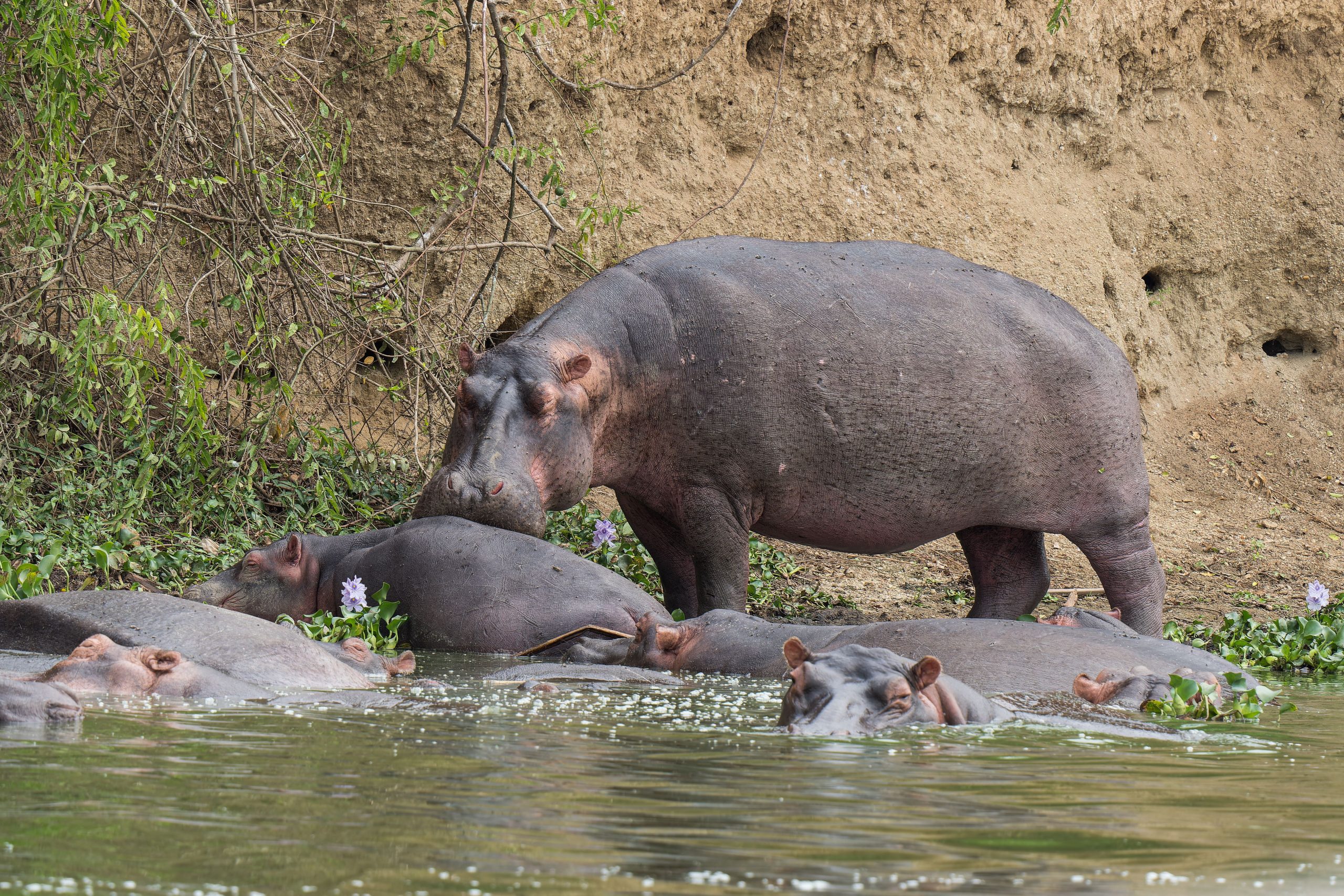
The Kazinga Channel in Queen Elizabeth National Park is particularly well known for wildlife viewing from the water. Families can see hippos, elephants, buffaloes, crocodiles and many species of birds along the channel.
Boat trips can be especially appealing to children because the scenery constantly changes and wildlife can often be observed from a different perspective.
3. Chimpanzee Experiences for Older Children
Uganda is one of Africa’s important destinations for primate experiences, with Kibale Forest National Park being particularly famous for chimpanzees.
Families should check the applicable age requirements before booking chimpanzee tracking. Current safari information commonly places the minimum age for chimpanzee tracking at 12 years, although families should confirm the current rules when making their arrangements.
For younger children, families can consider alternative nature experiences that are less physically demanding.
4. Gorilla Trekking for Teenagers
Gorilla trekking is one of Uganda’s most famous experiences, but it has an important age restriction for families.
The Uganda Wildlife Authority requires visitors to be at least 15 years old for gorilla tracking. UWA also notes that gorilla trekking can take approximately two to seven hours and requires moderate fitness.
This means a family with children under 15 cannot simply include gorilla trekking for everyone.
However, this does not mean a family with younger children has to miss Uganda. A family safari can be designed around other wildlife and nature activities while older family members participate in activities that meet the age requirements.
Families travelling with teenagers aged 15 or older can potentially include gorilla trekking in a broader Uganda safari.
Are Uganda Safaris Suitable for Young Children?
Yes, but the itinerary should be designed carefully.
Young children may find very long drives, lengthy game drives, and physically demanding forest activities tiring. Parents should therefore consider shorter activity periods, comfortable accommodation, regular breaks and private transportation.
A family safari can be much more enjoyable when there is flexibility rather than a rigid schedule from sunrise until evening.
For very young children, consider including:
- Short game drives
- Boat cruises
- Lodge-based activities
- Nature walks where appropriate
- Cultural experiences
- Scenic stops
- Swimming at suitable lodges
- Wildlife viewing around the lodge
- Plenty of rest time
The suitability of individual activities depends on the child’s age and the rules of the park, lodge or activity provider.
Best Uganda Destinations for Family Safaris
Queen Elizabeth National Park
Queen Elizabeth National Park offers a diverse combination of wildlife and activities. Families can enjoy game drives, the Kazinga Channel boat cruise and other nature experiences.
Its variety makes it useful for families who want more than traditional game drives.
Murchison Falls National Park
Murchison Falls is another excellent option for families interested in wildlife and dramatic scenery.
A typical family itinerary can combine:
- Game drives
- A boat cruise on the Nile
- Murchison Falls
- Wildlife photography
- Birdwatching
The Nile boat experience can provide a welcome change after a game drive.
Lake Mburo National Park
Lake Mburo can be particularly interesting for families because it offers wildlife viewing in a relatively compact setting.
Depending on current arrangements and age requirements, activities can include game drives, nature walks and other guided experiences.
Kibale Forest National Park
Kibale is particularly attractive to families interested in primates.
Chimpanzee experiences are popular with older children and teenagers, while alternative forest and community experiences can be considered for younger visitors.
Bwindi Impenetrable National Park
Bwindi is famous for mountain gorillas and is therefore a major attraction for families with teenagers who meet the gorilla trekking age requirement.
However, because gorilla trekking is physically demanding and restricted to visitors aged 15 and above, families with younger children should plan alternative activities for them.
Kidepo Valley National Park
For families looking for a more remote African wilderness experience, Kidepo Valley offers spectacular landscapes and wildlife.
Because of the longer distances involved in reaching some remote destinations, parents should consider their children’s tolerance for travel before adding Kidepo to a family itinerary.
What Age Is Best for a Uganda Family Safari?
There is no single perfect age.
Babies and Toddlers
A safari with very young children is possible, but parents need to be comfortable with longer travel days and maintaining familiar routines while travelling.
The itinerary should be slow-paced and accommodation should be selected carefully.
Children Around 5–10 Years
Children in this age group can enjoy wildlife enormously, especially when activities are varied.
Shorter game drives, boat cruises and interactive experiences can help keep them interested.
Children Over 10
Older children can generally participate in a wider range of activities, subject to individual age restrictions and physical requirements.
They may particularly enjoy wildlife photography, chimpanzee experiences, hiking and cultural activities.
Teenagers 15+
Teenagers aged 15 and above have the possibility of adding gorilla trekking to a Uganda itinerary, subject to the applicable regulations and permit availability.
This can make a Uganda safari especially varied for families with teenagers.
How to Make a Uganda Safari Comfortable for Children
Choose a Private Safari
A private safari gives families greater flexibility.
If children become tired, the family can return to the lodge rather than following the schedule of a larger group.
A private vehicle also makes it easier to stop for breaks, adjust departure times and accommodate children’s needs.
Avoid Overloading the Itinerary
Trying to visit too many destinations can make a family holiday exhausting.
Instead of rushing between several parks, consider spending two or three nights in selected destinations.
A slower itinerary usually gives children more time to enjoy each location.
Choose Family-Friendly Accommodation
When booking accommodation, ask about:
- Family rooms
- Connecting rooms
- Extra beds
- Child meal options
- Swimming pools
- Babysitting availability
- Minimum age restrictions
- Family activities
Some lodges may have their own minimum-age policies, so these should be checked before booking.
Plan Around Rest Times
Children may not want to spend every hour searching for wildlife.
A good family safari can include a morning activity, lunch, relaxation, and an afternoon activity.
This gives everyone time to recharge.
Bring Appropriate Clothing
Parents should pack comfortable clothing suitable for outdoor activities.
Useful items include:
- Lightweight trousers
- Long-sleeved shirts
- Comfortable walking shoes
- Sun hats
- Sunglasses
- Sunscreen
- Insect repellent
- Light rain jackets
- Reusable water bottles
- Small backpacks
For forest activities, comfortable closed shoes are especially important.
Is a Uganda Safari Safe for Families?
Wildlife safaris require responsible behaviour regardless of age.
Children should remain with their parents or guides and follow instructions during game drives, boat cruises and nature walks.
Families should never approach wild animals independently or leave designated areas without a guide.
Uganda Wildlife Authority’s park rules include requirements such as staying on designated tracks, not disturbing wildlife and observing park regulations.
Parents should also discuss health requirements with a qualified travel-health professional before travelling, particularly regarding vaccinations, malaria prevention and other destination-specific health considerations.
Educational Benefits of a Uganda Family Safari
One of the biggest advantages of travelling to Uganda as a family is the educational value.
Children can learn about:
- Wildlife conservation
- Rainforests
- Wetlands
- Ecosystems
- Animal behaviour
- Local communities
- African geography
- Bird species
- Endangered species
- Responsible tourism
Instead of simply reading about wildlife in books, children can observe animals and ecosystems in their natural environment.
A family safari can therefore become both a holiday and an outdoor learning experience.
Sample Family Uganda Safari Itinerary
A family could consider an itinerary such as:
Day 1: Arrival in Entebbe and relaxation
Day 2: Travel to Murchison Falls National Park
Day 3: Morning game drive and Nile boat cruise
Day 4: Transfer toward Kibale Forest
Day 5: Chimpanzee experience for eligible family members or alternative nature activity
Day 6: Travel to Queen Elizabeth National Park
Day 7: Game drive and Kazinga Channel boat cruise
Day 8: Travel toward Bwindi or another destination depending on the family’s interests
Day 9: Gorilla trekking for family members aged 15+ or alternative activity
Day 10: Return toward Entebbe/Kampala
This is only an example. The ideal itinerary depends on the children’s ages, travel dates, budget and preferred activities.
Family Safaris with Turkana Wildlife Safaris Uganda
Turkana Wildlife Safaris Uganda can help families design a Uganda safari around their children’s ages, interests and preferred pace.
Rather than treating a family safari like an adult-only wildlife trip, the itinerary can be structured to include a mixture of wildlife viewing, relaxation, scenic travel and age-appropriate activities.
Families can discuss their preferred destinations and activities before booking, including:
- Family Uganda safaris
- Private wildlife safaris
- Gorilla trekking for eligible family members
- Chimpanzee experiences
- Queen Elizabeth National Park
- Murchison Falls National Park
- Lake Mburo National Park
- Bwindi Impenetrable National Park
- Kibale Forest National Park
- Cultural experiences
- Multi-day Uganda safari packages
The team can also help families determine how to arrange activities when children of different ages are travelling together.
Frequently Asked Questions About Uganda Family Safaris
1. Are Uganda safaris suitable for families?
Yes. Uganda offers wildlife viewing, boat cruises, primate experiences, nature activities and cultural experiences that can be incorporated into family holidays. The itinerary should be adapted to the ages and interests of the children.
2. What is the minimum age for gorilla trekking in Uganda?
The minimum age is 15 years according to Uganda Wildlife Authority regulations.
3. Can children under 15 visit Bwindi?
Yes. Children under 15 can visit the wider Bwindi area, but they cannot participate in gorilla trekking. Families should arrange suitable alternative activities for younger children.
4. Can young children go on game drives in Uganda?
Children can generally participate in safari game drives, but parents should confirm the age policy of their chosen lodge and safari operator and consider the length of the activity.
5. Is Uganda better for families with teenagers?
Teenagers can participate in a wider range of activities, including gorilla trekking from age 15 and certain primate experiences subject to age requirements. However, younger children can also enjoy carefully planned wildlife safaris.
6. Can we have a private family safari?
Yes. A private safari is particularly useful for families because the itinerary can be adjusted around children’s schedules, interests and energy levels.
7. What is the best national park for a family safari in Uganda?
There is no single answer for every family. Queen Elizabeth, Murchison Falls, Lake Mburo, Kibale, Bwindi and Kidepo each offer different experiences. The most appropriate destination depends on the children’s ages and what the family wants to experience.
8. How long should a family safari in Uganda last?
A family safari can be as short as a few days or extend for two weeks or more. For families with young children, a moderate itinerary with fewer long travel days may be more comfortable.
9. Can children enjoy a Uganda safari even if they don’t trek gorillas?
Absolutely. Families can enjoy game drives, boat cruises, wildlife viewing, birdwatching, nature walks where appropriate and cultural experiences without gorilla trekking.
10. What should families pack for a Uganda safari?
Families should consider lightweight clothing, comfortable shoes, hats, sunscreen, insect repellent, rain jackets, personal medication, reusable water bottles and small daypacks.
Conclusion: Are Uganda Safaris Suitable for Families?
Uganda safaris can be very rewarding family holidays when the itinerary is designed around the children’s ages and interests. The country’s combination of wildlife, forests, waterways, primates and cultural experiences gives families plenty of opportunities to create a varied adventure.
The main age restriction families need to remember is the 15-year minimum for gorilla trekking. For families travelling with younger children, there are still many other ways to experience Uganda’s wildlife and landscapes.
With thoughtful planning, comfortable accommodation, private transportation and a sensible pace, a Uganda family safari can turn into an unforgettable experience for both children and adults.
Turkana Wildlife Safaris Uganda can help families plan a personalized safari based on their children’s ages, available time, preferred destinations and budget, creating a trip that combines adventure, wildlife, relaxation and meaningful family memories.