
Are Walking Safaris Safe
Are Walking Safaris Safe
Are Walking Safaris Safe in Uganda? A Complete Guide for Travelers
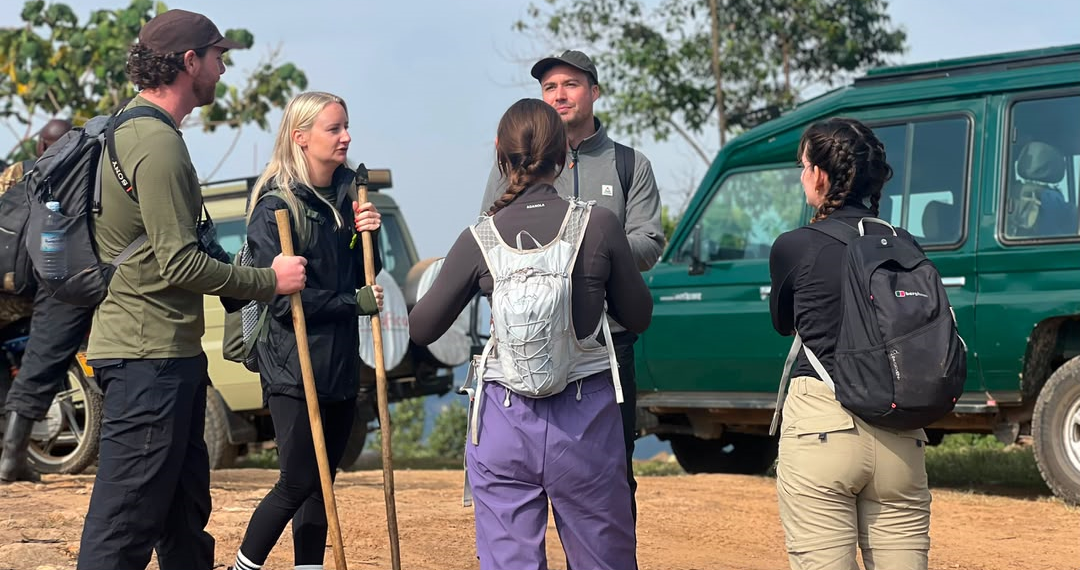
Walking safaris offer one of the most exciting ways to experience Uganda’s wildlife and natural landscapes. Instead of viewing animals only from a safari vehicle, travelers can explore the wilderness on foot, accompanied by trained guides and, where required, armed rangers.
But an important question comes before booking: Are walking safaris safe?
Yes. Walking safaris in Uganda can be very safe when they are conducted in authorized areas, with experienced guides and according to park safety regulations. Like any wildlife experience, however, walking in the wilderness involves certain risks, which is why following your guide’s instructions is essential.
With Turkana Wildlife Safaris Uganda, walking experiences can be incorporated into carefully planned Uganda safari itineraries according to the destination, wildlife conditions, and activities permitted in the area.
What Is a Walking Safari?
A walking safari is a guided wildlife experience where visitors explore a natural area on foot rather than traveling entirely by safari vehicle.
Walking allows travelers to experience the wilderness differently. You can observe smaller wildlife, identify animal tracks, learn about plants, discover birds, and appreciate sounds and smells that may be missed from a vehicle.
Walking safaris are generally conducted with professional guides who understand animal behavior and wilderness safety.
Are Walking Safaris Safe in Uganda?
Walking safaris are generally considered safe when operated under proper supervision.
Uganda has several protected areas where walking and nature-based activities are offered under regulated conditions. Safety procedures vary depending on the park, activity, location, wildlife present, and current conditions.
Visitors should never leave designated routes or attempt to walk through wildlife areas independently.
The most important safety rule is simple:
Listen to your guide and follow instructions at all times.
Your guide knows how to read animal behavior, identify tracks, recognize potentially dangerous situations, and determine when it is appropriate to continue or change direction.
Why Walking Safaris Are Safe
Several factors contribute to the safety of guided walking experiences in Uganda.
1. Experienced Guides
Professional safari guides are trained to understand wildlife behavior and the environment.
They can help visitors recognize warning signs and maintain an appropriate distance from animals.
2. Ranger Support Where Required
Some walking activities may involve wildlife authorities or ranger support, particularly in areas where additional protection is required.
The exact arrangements depend on the destination and activity.
3. Controlled Routes
Walking safaris generally follow appropriate routes selected according to the environment, wildlife activity, and prevailing conditions.
Guides can adjust the route when necessary.
4. Wildlife Knowledge
Wild animals generally behave differently when they encounter people on foot compared with vehicles.
Experienced guides understand how to approach wildlife safely and when to maintain greater distance or retreat.
5. Safety Briefings
Before beginning a walking safari, travelers should receive instructions about appropriate behavior, what to expect, and how to respond if wildlife is encountered.
What Animals Might You Encounter?
Depending on the destination, a walking safari can expose travelers to a wide range of wildlife.
Possible encounters include:
- Elephants
- Buffaloes
- Antelopes
- Warthogs
- Monkeys
- Baboons
- Birds
- Reptiles
- Hippos in appropriate areas
- Various insects and smaller wildlife
Not every walking safari involves close encounters with large animals. In many cases, the emphasis is on tracks, plants, birds, insects, landscapes, and smaller creatures.
Is It Dangerous to Walk Near Wild Animals?
Wild animals are unpredictable, which is why visitors should never approach them independently.
Even animals that appear calm can react unexpectedly if they feel threatened, surprised, or cornered.
A guide will help determine the appropriate distance and positioning. If an animal is nearby, travelers should remain calm, avoid sudden movements, and follow instructions.
Never attempt to approach an elephant, buffalo, hippo, or other potentially dangerous animal for a photograph.
Safety Tips for Walking Safaris in Uganda
Stay With Your Guide
Never separate from your group unless your guide specifically instructs you to do so.
Keep Quiet
Excessive noise can disturb wildlife and make it harder to observe animals naturally. Walking quietly also allows you to hear important instructions from your guide.
Do Not Run
If wildlife is encountered, running can create a dangerous situation. Remain calm and follow your guide’s instructions.
Wear Appropriate Clothing
Comfortable walking shoes or hiking boots are recommended. Lightweight, breathable clothing is useful, while long trousers can provide protection from vegetation and insects.
Use Sun Protection
Uganda’s tropical climate means travelers should consider sunscreen, sunglasses, and a hat.
Carry Water
Walking can be physically demanding, particularly in warm conditions. Carry sufficient drinking water according to your guide’s recommendations.
Avoid Strong Scents
Strong perfumes and similar products may be unnecessary during a wildlife walk. Keeping your scent profile minimal can make the experience more comfortable and less disruptive to wildlife.
Do Not Feed Animals
Feeding wildlife is unsafe and can alter natural animal behavior.
Follow Park Regulations
Different protected areas have different rules. Always follow instructions from your guide, park authorities, and rangers.
What Should You Bring on a Walking Safari?
A small daypack can contain the essentials.
Consider carrying:
- Drinking water
- Sunscreen
- Insect repellent
- Hat
- Sunglasses
- Comfortable walking shoes
- Long trousers
- Light rain jacket
- Binoculars
- Camera
- Personal medication
- Small snacks if permitted
Avoid carrying unnecessary heavy luggage because walking is more enjoyable when you are comfortable.
Are Walking Safaris Suitable for Families?
Walking safaris can be suitable for families, but suitability depends on the children’s ages, fitness levels, destination, and specific walking activity.
Parents should discuss the activity with their safari operator before booking. Some walks may be relatively easy nature walks, while others can involve longer distances or more challenging terrain.
The safest option is to choose an experience appropriate for everyone’s fitness and comfort level.
Can Older Travelers Go on Walking Safaris?
Yes, many older travelers can enjoy walking experiences.
However, fitness and mobility should be considered when selecting an activity. Travelers should communicate any mobility concerns with their safari company before the trip so an appropriate experience can be arranged.
Short nature walks may be a better option than long or physically demanding hikes for some travelers.
What Happens If You Encounter Dangerous Wildlife?
The most important thing is not to panic.
Your guide will assess the situation and give you instructions. Depending on the animal and circumstances, the group may remain still, change direction, move away slowly, or take another appropriate action.
Travelers should never make independent decisions such as running toward a vehicle or approaching an animal.
Are Walking Safaris Safe During Rainy Seasons?
Walking safaris can still operate during rainy periods, although weather can affect trail conditions and accessibility.
Rain may make paths muddy or slippery, while storms can temporarily affect activities.
Safari operators and guides monitor conditions and may modify an activity when necessary for safety.
Walking Safari Safety Compared With Game Drives
Both walking safaris and game drives provide excellent wildlife experiences, but they are different.
A safari vehicle provides a physical barrier between travelers and wildlife and allows visitors to cover greater distances.
Walking safaris provide a more immersive experience. Travelers become more aware of animal sounds, tracks, vegetation, insects, birds, and the surrounding environment.
Neither should be viewed as completely risk-free. The difference is that guided walking safaris are designed around appropriate safety procedures.
Why Choose a Guided Walking Safari?
A guided walking safari provides more than simply transportation through the wilderness.
Your guide can explain:
- Animal tracks
- Bird calls
- Wildlife behavior
- Medicinal and traditional plants
- Insects
- Trees and vegetation
- Ecosystems
- Conservation
- Local history and culture
This makes walking safaris particularly appealing to travelers who want a deeper understanding of Uganda’s natural environment.
Walking Safaris With Turkana Wildlife Safaris Uganda
Turkana Wildlife Safaris Uganda can help travelers plan wildlife experiences that match their interests, fitness levels, travel schedules, and preferred destinations.
A walking experience can be combined with traditional game drives, boat cruises, primate experiences, bird watching, cultural encounters, and other activities depending on the safari itinerary.
Before your trip, discuss the walking activity with your safari planner so the experience can be matched to your expectations and comfort level.
The goal is not simply to see wildlife but to experience Uganda’s wilderness responsibly and safely.
Frequently Asked Questions
1. Are walking safaris safe in Uganda?
Yes. Guided walking safaris can be safe when conducted in authorized areas with trained guides and appropriate safety procedures.
2. Can I walk alone during a Uganda safari?
Walking independently in wildlife areas is not recommended. Always use an authorized guide and follow park regulations.
3. Can I encounter elephants while walking?
It is possible in some wildlife areas. If an elephant is encountered, remain calm and follow your guide’s instructions.
4. Do walking safaris have armed rangers?
Some walking activities may include ranger support depending on the destination and activity. Your safari operator can explain the arrangements for your specific experience.
5. What shoes should I wear?
Comfortable, sturdy walking shoes or hiking boots are generally appropriate.
6. Are walking safaris suitable for children?
Some walking activities may be suitable for children, but this depends on their age, fitness, the destination, and the specific activity.
7. Can elderly travelers participate?
Yes, provided the walking experience matches their fitness and mobility. Shorter and easier walks may be preferable.
8. What should I do if I see a wild animal?
Stay calm, remain with your group, and follow the guide’s instructions. Never approach or provoke the animal.
9. Can walking safaris be combined with game drives?
Yes. Combining walking and vehicle-based safaris can provide a more complete Uganda wildlife experience.
10. How can I book a walking safari in Uganda?
You can work with Turkana Wildlife Safaris Uganda to discuss your preferred destination, travel dates, interests, and fitness requirements and build a suitable safari itinerary.
Conclusion
Walking safaris in Uganda can be a safe and unforgettable way to experience the country’s wilderness when conducted responsibly and with qualified guides. The experience allows travelers to slow down, observe nature closely, learn about wildlife tracks and plants, and experience the African bush from a completely different perspective.
The key to a safe walking safari is preparation and responsible behavior. Stay with your guide, follow instructions, maintain appropriate distances from wildlife, wear suitable clothing, and respect park regulations.
Whether you are interested in wildlife photography, bird watching, nature, adventure, or simply experiencing Uganda beyond the safari vehicle, a guided walking experience can be a memorable addition to your itinerary.
For travelers planning a safe and personalized Uganda wildlife adventure, Turkana Wildlife Safaris Uganda can help incorporate suitable walking experiences into a broader safari package.