
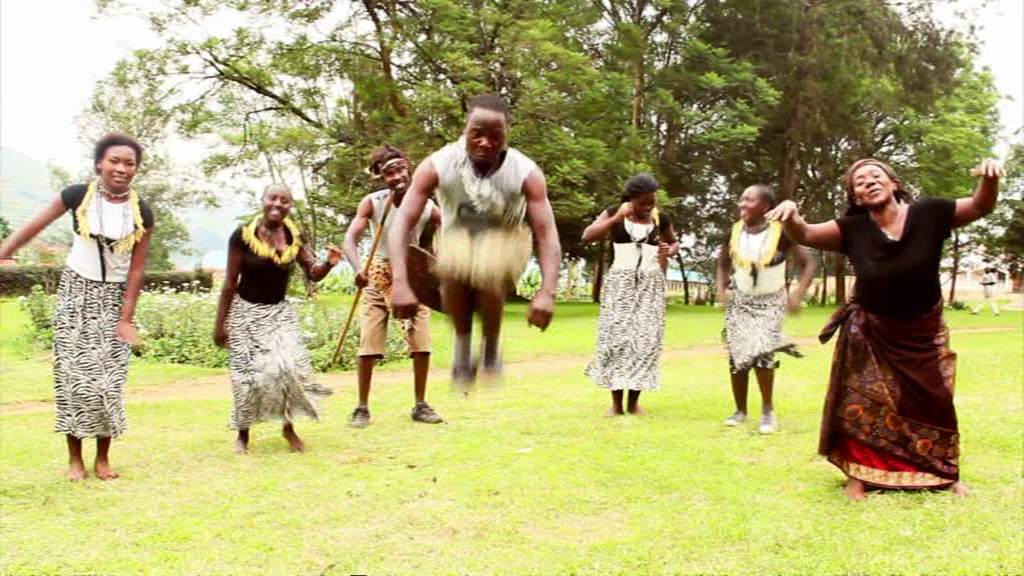
Bakiga Tribe
Bakiga Tribe
The Rich Heritage and Culture of the Bakiga Tribe
Introduction
The Bakiga tribe is one of the prominent ethnic groups in Uganda, known for its vibrant culture, rich traditions, and unique way of life. This article delves into the fascinating world of the Bakiga people, exploring their history, cultural practices, social structures, and the challenges they face in the modern world.
Historical Background of the Bakiga Tribe
The Bakiga people are primarily found in the Kigezi region of southwestern Uganda. Their history is deeply rooted in the highlands, where they have lived for centuries. The Bakiga are believed to have migrated from Rwanda and settled in the fertile hills of Kigezi, where they established a thriving community. Their history is marked by resilience and adaptability, as they have managed to preserve their culture despite external influences.
Migration and Settlement
The migration of the Bakiga people is a significant aspect of their history. It is believed that they moved from Rwanda in search of fertile land and better living conditions. The Kigezi highlands provided an ideal environment for agriculture, which became the backbone of their economy. The Bakiga’s migration and settlement patterns have played a crucial role in shaping their cultural identity and social structures.
Social Structures and Leadership
The Bakiga tribe is organized into clans, each with its own distinct identity and leadership. The clan system is an integral part of their social structure, providing a sense of belonging and identity. Traditional leadership is highly respected, with elders playing a significant role in decision-making and conflict resolution. The Bakiga people value community and collective responsibility, which is reflected in their social structures.
Cultural Practices and Traditions
The Bakiga tribe is renowned for its rich cultural heritage, which is expressed through various practices and traditions. These cultural elements are not only a source of pride for the Bakiga people but also serve as a means of preserving their identity in a rapidly changing world.
Traditional Attire and Adornments
Traditional attire is an essential aspect of Bakiga culture. The Bakiga people are known for their distinctive clothing, which includes colorful wraps and intricate beadwork. These garments are often worn during cultural ceremonies and celebrations, showcasing the tribe’s artistic skills and attention to detail.
Music and Dance
Music and dance are integral to the Bakiga’s cultural expression. Traditional songs and dances are performed during various ceremonies, including weddings, initiations, and harvest festivals. The Bakiga people use music and dance as a means of storytelling, passing down oral traditions and preserving their history.
Agricultural Practices
Agriculture is the backbone of the Bakiga economy, and traditional farming practices are deeply ingrained in their culture. The Bakiga people are skilled farmers, cultivating crops such as bananas, potatoes, and beans. They employ sustainable farming techniques that have been passed down through generations, ensuring food security and environmental conservation.
Challenges and Modern Influences
While the Bakiga tribe has managed to preserve its cultural heritage, it faces several challenges in the modern world. These challenges include globalization, urbanization, and environmental changes, which threaten their traditional way of life.
Globalization and Cultural Erosion
Globalization has brought both opportunities and challenges to the Bakiga people. While it has facilitated access to modern amenities and improved communication, it has also led to cultural erosion. The younger generation is increasingly exposed to foreign cultures, leading to a gradual loss of traditional practices and values.
Urbanization and Land Pressure
Urbanization is another significant challenge facing the Bakiga tribe. As more people move to urban areas in search of better opportunities, there is increased pressure on land resources. This has led to land disputes and a decline in agricultural productivity, threatening the Bakiga’s traditional way of life.
Environmental Changes
Environmental changes, including deforestation and climate change, pose a significant threat to the Bakiga people. These changes have affected agricultural productivity and access to natural resources, impacting the tribe’s economic and social well-being.
Preserving Bakiga Culture in the Modern World
Despite the challenges they face, the Bakiga people are committed to preserving their cultural heritage. Various initiatives have been undertaken to promote and protect Bakiga culture, ensuring its survival for future generations.
Cultural Festivals and Events
Cultural festivals and events play a crucial role in preserving Bakiga culture. These gatherings provide an opportunity for the Bakiga people to showcase their traditions, share knowledge, and strengthen community bonds. They also serve as a platform for educating the younger generation about their cultural heritage.
Education and Awareness
Education and awareness programs are essential in preserving Bakiga culture. By incorporating cultural studies into the education system, the Bakiga people can ensure that their traditions and values are passed down to future generations. Additionally, awareness campaigns can help promote cultural pride and appreciation among the Bakiga people.
Sustainable Development Initiatives
Sustainable development initiatives are crucial in addressing the challenges faced by the Bakiga tribe. By promoting sustainable agriculture, environmental conservation, and community development, the Bakiga people can secure their future while preserving their cultural heritage.
Conclusion
The Bakiga tribe is a testament to the resilience and adaptability of indigenous communities in the face of modern challenges. Their rich cultural heritage, vibrant traditions, and strong social structures have enabled them to navigate the complexities of the modern world while preserving their identity. By promoting cultural preservation and sustainable development, the Bakiga people can continue to thrive and contribute to the rich tapestry of Uganda’s cultural diversity.
Frequently Asked Questions (FAQ)
1. Who are the Bakiga people?
The Bakiga people are an ethnic group primarily found in the Kigezi region of southwestern Uganda. They are known for their rich cultural heritage, traditional farming practices, and vibrant social structures.
2. What is the significance of the clan system in Bakiga culture?
The clan system is an integral part of Bakiga culture, providing a sense of identity and belonging. It plays a crucial role in social organization, leadership, and conflict resolution within the community.
3. How do the Bakiga people preserve their cultural heritage?
The Bakiga people preserve their cultural heritage through various means, including cultural festivals, education and awareness programs, and sustainable development initiatives. These efforts aim to promote cultural pride and ensure the survival of traditional practices.
4. What challenges do the Bakiga tribe face in the modern world?
The Bakiga tribe faces several challenges, including globalization, urbanization, and environmental changes. These challenges threaten their traditional way of life and cultural heritage.
5. How can the Bakiga people address the challenges they face?
The Bakiga people can address these challenges by promoting cultural preservation, sustainable development, and community engagement. By embracing modern opportunities while preserving their traditions, the Bakiga people can secure their future and contribute to Uganda’s cultural diversity.