
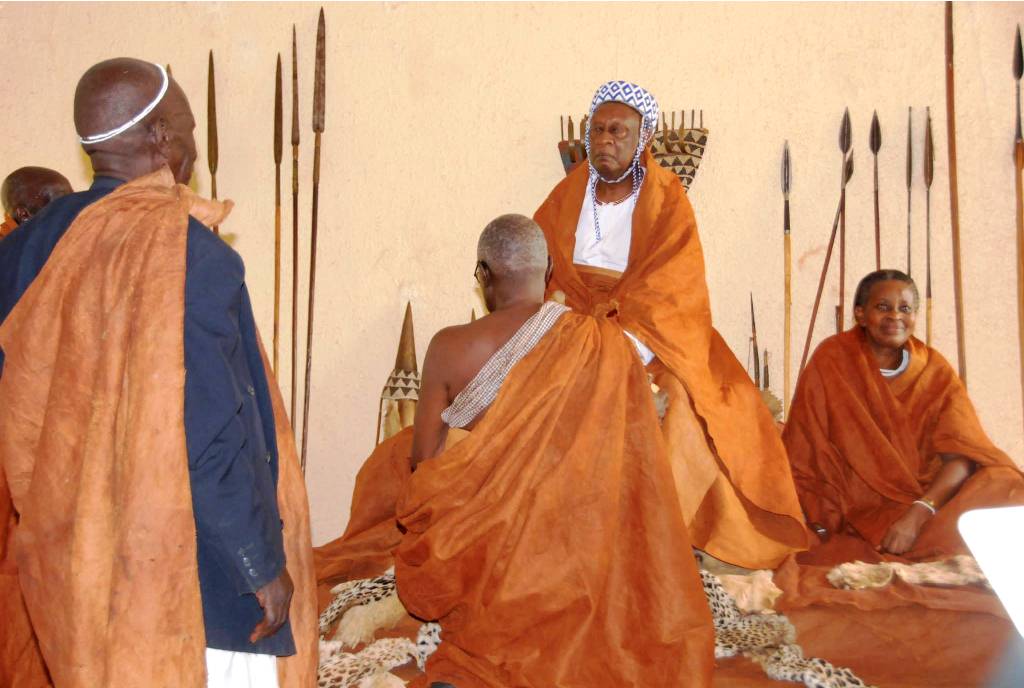
Banyoro Tribe
Banyoro Tribe
The Rich Heritage and Culture of the Banyoro Tribe
Introduction to the Banyoro Tribe
The Banyoro tribe, an indigenous group located in Uganda, is renowned for its rich cultural heritage and historical significance. This article delves into the fascinating aspects of the Banyoro people, exploring their traditions, customs, and the role they play in the broader context of Ugandan history. The Banyoro tribe has a unique cultural identity that has been preserved over centuries, making it a subject of great interest for anthropologists and historians alike.
Historical Background of the Banyoro
Origins and Early History
The Banyoro tribe traces its origins back to the ancient Bunyoro-Kitara Kingdom, which was one of the most powerful kingdoms in East Africa during the pre-colonial era. The kingdom was established in the 14th century and played a crucial role in the region’s history. The Banyoro people are descendants of the Bantu-speaking communities that migrated to the area, bringing with them a rich tapestry of cultural practices and traditions.
The Bunyoro-Kitara Kingdom
The Bunyoro-Kitara Kingdom was known for its sophisticated political structure and advanced agricultural practices. It was ruled by a monarch known as the Omukama, who held both political and spiritual authority. The kingdom’s influence extended across present-day Uganda and into parts of neighboring countries, making it a significant power in the region.
Cultural Practices and Traditions
Language and Communication
The Banyoro people primarily speak Runyoro, a Bantu language that is an integral part of their cultural identity. Language plays a crucial role in preserving the tribe’s oral traditions, folklore, and historical narratives. The use of proverbs and storytelling is a common practice among the Banyoro, serving as a means of passing down wisdom and cultural values from one generation to the next.
Traditional Attire and Crafts
The traditional attire of the Banyoro is characterized by vibrant colors and intricate designs. Women often wear gomesi, a colorful dress adorned with beads and other embellishments, while men don kanzu, a long white robe. The Banyoro are also skilled craftsmen, known for their pottery, basket weaving, and wood carving. These crafts not only serve practical purposes but also hold cultural and symbolic significance.
Music and Dance
Music and dance are integral components of Banyoro culture, serving as a means of expression and communication. Traditional instruments such as the enanga (a type of zither) and the amakondere (trumpets) are commonly used in musical performances. Dance is often performed during cultural ceremonies and celebrations, with each dance conveying specific messages and emotions.
Social Structure and Community Life
Family and Kinship
The Banyoro society is organized around extended family units, with strong emphasis placed on kinship ties and communal living. The family is the primary social unit, and elders hold a respected position within the community. The Banyoro practice a patrilineal system of inheritance, with property and titles passed down through the male lineage.
Roles and Responsibilities
In Banyoro culture, roles and responsibilities are clearly defined, with each member of the community contributing to the well-being of the group. Men are typically responsible for providing for the family and engaging in activities such as farming and hunting. Women, on the other hand, are tasked with domestic duties, including cooking, child-rearing, and managing the household.
Challenges and Modern Influences
Impact of Colonialism
The arrival of European colonizers in the late 19th century had a profound impact on the Banyoro tribe, leading to significant changes in their social and political structures. The imposition of colonial rule disrupted traditional governance systems and introduced new cultural influences. Despite these challenges, the Banyoro have managed to preserve many aspects of their cultural heritage.
Modernization and Globalization
In recent years, the Banyoro tribe has faced the challenges of modernization and globalization. While these forces have brought about positive changes such as improved access to education and healthcare, they have also posed threats to the preservation of traditional practices. Efforts are being made to strike a balance between embracing modernity and maintaining cultural identity.
Conclusion
The Banyoro tribe is a testament to the resilience and adaptability of indigenous cultures in the face of changing times. Their rich heritage and cultural practices continue to be celebrated and cherished, serving as a source of pride and identity for the Banyoro people. As we explore the intricacies of their traditions and history, we gain a deeper appreciation for the diversity and complexity of human cultures.
FAQs
1. What is the significance of the Bunyoro-Kitara Kingdom in Banyoro history?
The Bunyoro-Kitara Kingdom was a powerful and influential kingdom in East Africa, playing a crucial role in the history of the Banyoro people. It was known for its advanced political structure and cultural achievements.
2. How do the Banyoro preserve their cultural heritage?
The Banyoro preserve their cultural heritage through language, oral traditions, music, dance, and traditional crafts. These practices are passed down from generation to generation, ensuring the continuity of their cultural identity.
3. What challenges do the Banyoro face in modern times?
The Banyoro face challenges such as the impact of colonialism, modernization, and globalization. These forces have brought about changes in their social and cultural structures, posing threats to the preservation of traditional practices.
4. What role does language play in Banyoro culture?
Language is a vital component of Banyoro culture, serving as a means of communication and preserving oral traditions. Runyoro, the primary language spoken by the Banyoro, is used to convey cultural values and historical narratives.
5. How do the Banyoro celebrate their cultural traditions?
The Banyoro celebrate their cultural traditions through music, dance, and communal ceremonies. These celebrations are an expression of their cultural identity and serve to strengthen community bonds.