
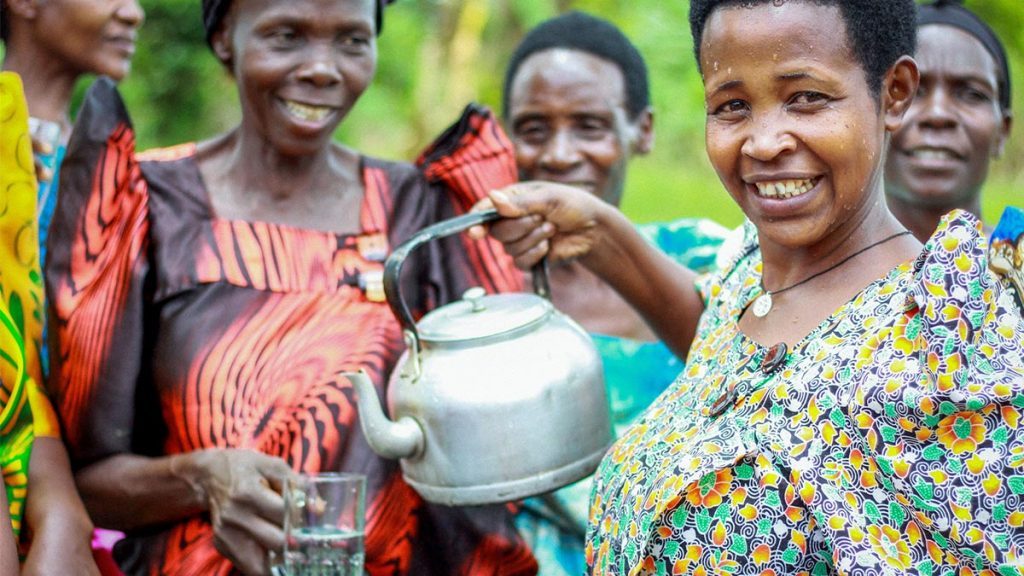
Batoro Tribe
Batoro Tribe
The Batoro Tribe: A Journey Through Culture, History, and Traditions
Introduction
The Batoro tribe, a fascinating ethnic group, resides primarily in the western region of Uganda. Known for their rich cultural heritage and vibrant traditions, the Batoro people have a unique history that has shaped their identity over the centuries. This article delves into the intricate tapestry of the Batoro tribe, exploring their origins, customs, and the role they play in modern Ugandan society.
Origins and Historical Background
The Batoro tribe is part of the larger Bantu ethnic group, which migrated from Central Africa to various parts of the continent. The Batoro settled in the fertile lands of what is now the Toro Kingdom in Uganda. The Toro Kingdom was established in the early 19th century and has since been a significant cultural and political entity in the region.
The Toro Kingdom
The Toro Kingdom, with its capital at Fort Portal, is a traditional monarchy that plays a crucial role in preserving the cultural identity of the Batoro people. The kingdom’s history is intertwined with that of the Batoro tribe, as it provides a sense of unity and continuity for the community. The Omukama, or king, of Toro is a revered figure who embodies the cultural and spiritual values of the Batoro.
Cultural Practices and Traditions
The Batoro tribe boasts a rich tapestry of cultural practices that reflect their deep-rooted traditions and beliefs. These customs are integral to the tribe’s identity and are passed down through generations.
Language and Communication
The Batoro people primarily speak Rutooro, a Bantu language that is closely related to other languages in the region, such as Runyankore and Rukiga. Language is a vital aspect of Batoro culture, serving as a medium for storytelling, oral history, and the transmission of cultural values.
Traditional Attire
Traditional attire plays a significant role in Batoro culture, with clothing often reflecting social status and cultural identity. The Batoro people are known for their vibrant and colorful garments, which are worn during special occasions and ceremonies.
Music and Dance
Music and dance are integral to Batoro culture, serving as a means of expression and celebration. Traditional Batoro music features a variety of instruments, including drums, flutes, and stringed instruments. Dance is often performed during ceremonies and festivals, with each dance having its own unique significance and meaning.
Festivals and Ceremonies
The Batoro tribe celebrates numerous festivals and ceremonies throughout the year, each with its own cultural and spiritual significance. These events provide an opportunity for the community to come together, celebrate their heritage, and reinforce their cultural identity.
Key Festivals
- Empango Ceremony: A significant cultural event that marks the coronation anniversary of the Omukama. It is a time for the Batoro people to celebrate their king and their cultural heritage.
- Harvest Festival: Celebrated to give thanks for a bountiful harvest, this festival involves traditional music, dance, and feasting.
The Role of the Batoro Tribe in Modern Uganda
In contemporary Uganda, the Batoro tribe continues to play a vital role in the country’s cultural and social landscape. The Toro Kingdom remains an important cultural institution, promoting the preservation of Batoro traditions and values.
Economic Contributions
The Batoro people are primarily engaged in agriculture, with the fertile lands of the Toro region providing an ideal environment for farming. The tribe’s agricultural practices contribute significantly to the local economy and food security in the region.
Challenges and Opportunities
Like many indigenous communities, the Batoro tribe faces challenges in preserving their cultural heritage in the face of modernization and globalization. However, there are also opportunities for the Batoro people to leverage their rich cultural heritage for tourism and cultural exchange.
Conclusion
The Batoro tribe is a vibrant and resilient community with a rich cultural heritage that continues to thrive in modern Uganda. Through their customs, traditions, and contributions to society, the Batoro people play a crucial role in the cultural tapestry of the region. As they navigate the challenges and opportunities of the modern world, the Batoro tribe remains a testament to the enduring power of cultural identity and heritage.
FAQ
What is the primary language spoken by the Batoro tribe?
The primary language spoken by the Batoro tribe is Rutooro, a Bantu language closely related to Runyankore and Rukiga.
What is the significance of the Toro Kingdom to the Batoro people?
The Toro Kingdom is a traditional monarchy that plays a crucial role in preserving the cultural identity of the Batoro people. It provides a sense of unity and continuity for the community.
What are some traditional Batoro festivals?
Some traditional Batoro festivals include the Empango Ceremony, which marks the coronation anniversary of the Omukama, and the Harvest Festival, which celebrates a bountiful harvest.
How do the Batoro people contribute to the local economy?
The Batoro people are primarily engaged in agriculture, contributing significantly to the local economy and food security in the Toro region.
What challenges do the Batoro tribe face in preserving their cultural heritage?
The Batoro tribe faces challenges in preserving their cultural heritage in the face of modernization and globalization. However, there are opportunities for cultural exchange and tourism to help preserve their traditions.