
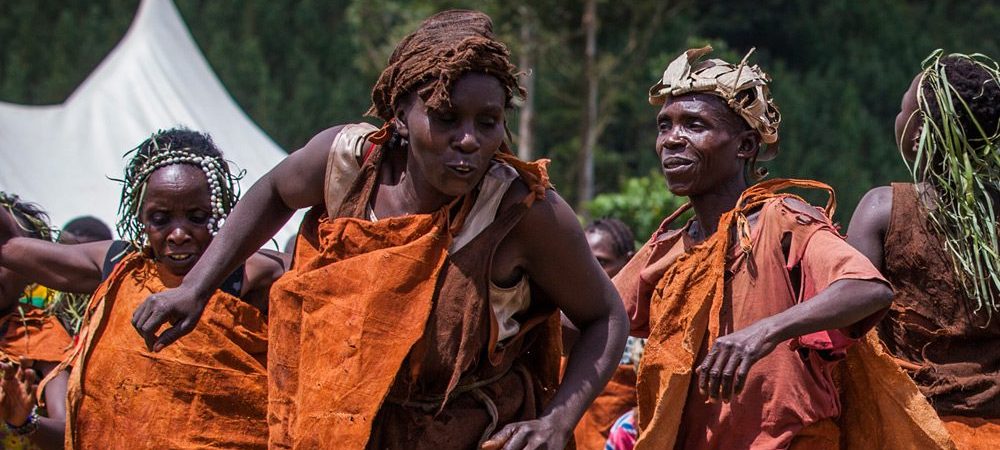
Batwa Conservation
Batwa Conservation
Preserving the Legacy of the Batwa: A Deep Dive into Conservation, Culture, and Coexistence
Introduction
The Batwa people, often referred to as the “keepers of the forest,” are one of the oldest indigenous groups in Central Africa. Their ancestral lands, primarily located in the Great Lakes region—spanning Uganda, Rwanda, Burundi, and the Democratic Republic of Congo—have long been a sanctuary of biodiversity and cultural heritage. However, modern conservation efforts, while aimed at protecting endangered ecosystems, have often marginalized the Batwa, stripping them of their land, rights, and identity.
This article explores the intricate relationship between the Batwa and their environment, the challenges they face due to exclusionary conservation models, and the emerging strategies that aim to harmonize ecological preservation with indigenous rights. Through this lens, we delve into a broader conversation about indigenous conservation and sustainable development.
Who Are the Batwa?
The Batwa are a pygmy ethnic group traditionally known for their hunter-gatherer lifestyle within the dense rainforests of Central Africa. Their intimate knowledge of the forest ecosystem, medicinal plants, and wildlife behavior has been passed down orally for generations.
Cultural and Ecological Significance
- Forest Stewards: The Batwa have historically lived in harmony with nature, harvesting only what they need and practicing sustainable foraging.
- Oral Traditions: Their stories, songs, and rituals are deeply rooted in the forest, reflecting a spiritual connection to the land.
- Medicinal Knowledge: The Batwa possess a vast understanding of herbal medicine, much of which remains undocumented but is critical to biodiversity conservation.
The Impact of Modern Conservation on the Batwa
Displacement in the Name of Protection
In the 1990s, large swaths of forest were designated as national parks to protect endangered species like the mountain gorilla. While these efforts were well-intentioned, they resulted in the forced eviction of the Batwa from their ancestral lands, particularly in:
- Bwindi Impenetrable National Park (Uganda)
- Mgahinga Gorilla National Park (Uganda)
- Volcanoes National Park (Rwanda)
The Batwa were not offered compensation, alternative livelihoods, or legal recognition of their land rights, leading to widespread poverty, marginalization, and cultural erosion.
The Flawed Fortress Conservation Model
This model of conservation, which excludes human presence from protected areas, has been widely criticized for:
- Ignoring indigenous knowledge systems
- Violating human rights
- Creating conflict between conservation authorities and local communities
Towards Inclusive Conservation: A New Paradigm
Community-Based Conservation (CBC)
CBC is an emerging approach that integrates local communities into the management and benefits of conservation areas. For the Batwa, this means:
- Participatory Land Use Planning: Involving the Batwa in decision-making processes regarding forest management.
- Cultural Tourism: Empowering Batwa communities to share their traditions through guided tours, performances, and storytelling.
- Eco-Guard Programs: Training Batwa youth as forest rangers to monitor biodiversity and prevent illegal activities.
Legal Recognition and Land Rights
Several organizations and governments are beginning to acknowledge the importance of securing land tenure for indigenous peoples. Notable developments include:
- Uganda’s 2011 High Court Ruling: Recognized the Batwa’s historical connection to the forest and called for reparations.
- International Advocacy: Groups like Survival International and Forest Peoples Programme are pushing for global recognition of Batwa rights.
The Role of NGOs and International Bodies
Numerous non-governmental organizations are working to support Batwa communities through:
- Education and Healthcare Initiatives
- Legal Aid and Human Rights Advocacy
- Sustainable Livelihood Projects
Some key players include:
Conservation Success Stories Involving the Batwa
Bwindi Impenetrable Forest: A Model for Coexistence
In Uganda, the Bwindi Community Hospital and the Batwa Development Program have created platforms for the Batwa to access healthcare, education, and employment while preserving their culture.
The Batwa Trail in Mgahinga
This cultural tourism initiative allows visitors to experience the forest through the eyes of the Batwa, providing income and raising awareness about their plight.
Challenges That Remain
Despite progress, the Batwa continue to face systemic barriers:
- Lack of Political Representation
- Persistent Discrimination
- Limited Access to Education and Healthcare
- Climate Change and Environmental Degradation
These issues are compounded by a lack of data and visibility in national statistics, making it difficult to design targeted policies.
The Importance of Indigenous Knowledge in Conservation
Indigenous ecological knowledge (IEK) is increasingly recognized as vital to biodiversity conservation. The Batwa, with their deep understanding of forest dynamics, offer insights that modern science is only beginning to appreciate.
Benefits of Integrating IEK
- Enhanced Biodiversity Monitoring
- Sustainable Resource Management
- Climate Resilience Strategies
Policy Recommendations for Batwa Conservation
To ensure the survival of both the Batwa culture and the ecosystems they help protect, the following strategies are essential:
- Legal Recognition of Land Rights
- Inclusion in Conservation Planning
- Support for Indigenous-Led Initiatives
- Cultural Preservation Programs
- Monitoring and Accountability Mechanisms
Frequently Asked Questions (FAQ)
1. Who are the Batwa people?
The Batwa are an indigenous group native to the forests of Central Africa, known for their hunter-gatherer lifestyle and deep knowledge of the natural world. Learn more about their history and culture.
2. Why were the Batwa evicted from their lands?
They were displaced during the creation of national parks aimed at protecting endangered species. These conservation efforts often ignored the Batwa’s ancestral claims and excluded them from decision-making processes. Read about the impact of conservation on indigenous peoples.
3. What is community-based conservation?
Community-based conservation involves local communities in managing and benefiting from conservation efforts. It recognizes the role of indigenous knowledge in sustainable development. Explore examples of CBC.
4. How can I support Batwa conservation?
You can support NGOs working with the Batwa, advocate for indigenous rights, or participate in ethical tourism initiatives like the Batwa Trail.
5. What are the main threats to the Batwa today?
The Batwa face landlessness, poverty, discrimination, and cultural erosion. Climate change and environmental degradation further threaten their way of life. Learn more from Survival International.
Conclusion: A Call for Justice and Harmony
The story of the Batwa is not just about a people—it is about a philosophy of coexistence, a blueprint for sustainable living, and a cautionary tale of exclusionary conservation. As the world grapples with the twin crises of biodiversity loss and climate change, it is imperative to recognize that indigenous communities like the Batwa are not obstacles to conservation—they are its most experienced allies.
By embracing inclusive, rights-based conservation models, we can protect both the planet and the people who have safeguarded it for millennia. The future of conservation lies not in fences and exclusion, but in dialogue, respect, and shared stewardship.