
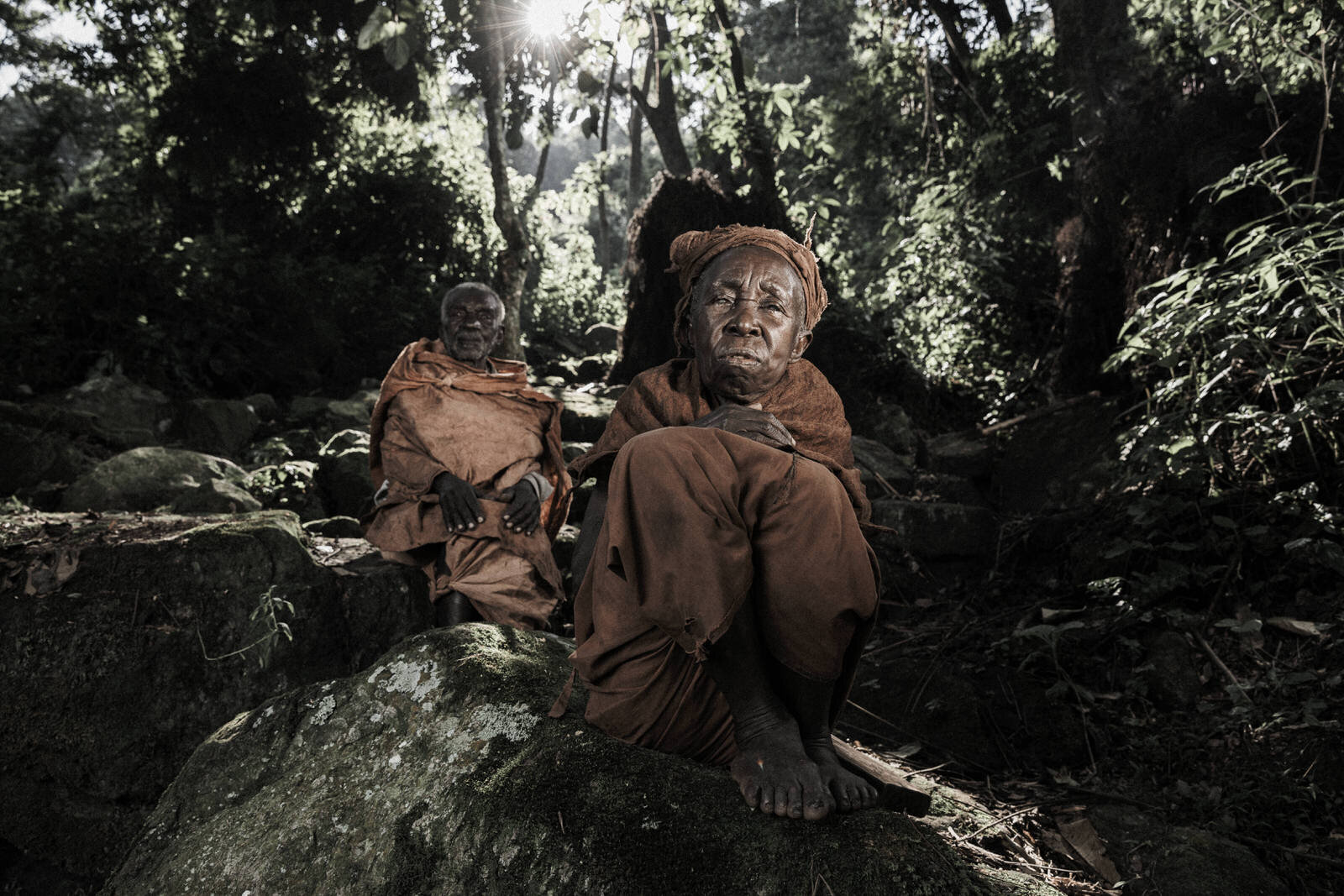
Batwa Development
Batwa Development
Empowering the Batwa: A Comprehensive Guide to Sustainable Development and Cultural Preservation
Introduction
The Batwa people, often referred to as the “Keepers of the Forest,” are one of Africa’s most marginalized Indigenous communities. Traditionally forest-dwelling hunter-gatherers, the Batwa have faced centuries of displacement, discrimination, and socio-economic exclusion, particularly in countries like Uganda, Rwanda, Burundi, and the Democratic Republic of Congo. This article explores the multifaceted approach to Batwa development, focusing on sustainable strategies that honor their cultural heritage while promoting economic empowerment, education, healthcare, and land rights.
Understanding the Batwa: A Historical Overview
Who Are the Batwa?
The Batwa are an Indigenous pygmy group believed to be among the earliest inhabitants of the Great Lakes region of Central Africa. Their deep spiritual and cultural connection to the forest has shaped their identity for generations. However, the creation of national parks and conservation areas has led to their forced eviction from ancestral lands, pushing them into extreme poverty and social isolation.
The Impact of Displacement
- Loss of traditional livelihoods (hunting, gathering, herbal medicine)
- Erosion of cultural practices and languages
- Increased vulnerability to poverty, malnutrition, and disease
- Systemic discrimination and lack of political representation
Pillars of Batwa Development
To ensure equitable and sustainable development for the Batwa, a multi-dimensional approach is essential. The following pillars form the foundation of effective community empowerment.
1. Land Rights and Legal Recognition
Securing land rights is a cornerstone of Indigenous empowerment. Without legal ownership or access to ancestral lands, the Batwa remain disenfranchised.
Key Strategies:
- Legal advocacy for land restitution
- Community land mapping and documentation
- Government and NGO partnerships for land acquisition
- Customary land tenure recognition
2. Education and Literacy Programs
Education is a powerful tool for breaking the cycle of poverty. However, Batwa children face numerous barriers to accessing quality education, including discrimination, lack of infrastructure, and language barriers.
Initiatives That Work:
- Culturally sensitive curricula in native languages
- Scholarships and school feeding programs
- Mobile classrooms and community learning centers
- Teacher training in inclusive pedagogy
3. Healthcare Access and Nutrition
The Batwa suffer from disproportionately high rates of malnutrition, maternal mortality, and preventable diseases due to limited access to healthcare services.
Solutions Include:
- Mobile health clinics and community health workers
- Nutrition programs targeting children and pregnant women
- Traditional medicine integration with modern healthcare
- Health education campaigns in Batwa communities
4. Economic Empowerment
Creating sustainable income-generating opportunities is vital for the Batwa to achieve self-reliance and dignity.
Effective Economic Models:
- Eco-tourism and cultural tourism initiatives
- Handicrafts and traditional art cooperatives
- Agricultural training and seed distribution
- Microfinance and savings groups
5. Cultural Preservation
Preserving the Batwa’s rich cultural heritage is not only a matter of identity but also a resource for education and tourism.
Cultural Revitalization Efforts:
- Documentation of oral histories and folklore
- Cultural centers and museums
- Traditional music and dance festivals
- Language preservation programs
Key Organizations Supporting Batwa Development
Several organizations have been instrumental in advocating for the rights and development of the Batwa people. These include:
- Forest Peoples Programme
- Minority Rights Group International
- United Organization for Batwa Development in Uganda (UOBDU)
- Survival International
Challenges to Batwa Development
Despite ongoing efforts, numerous challenges hinder the progress of Batwa development:
- Systemic Discrimination: Deep-rooted stereotypes and racism
- Lack of Political Representation: Minimal voice in national policies
- Inadequate Funding: Limited resources for long-term projects
- Climate Change: Environmental degradation affecting livelihoods
Case Studies: Success Stories in Batwa Empowerment
Uganda: The UOBDU Model
The United Organization for Batwa Development in Uganda has successfully implemented community-driven development projects, including:
- Land acquisition for resettlement
- Beekeeping and goat-rearing programs
- Adult literacy and vocational training
Rwanda: Cultural Tourism Initiatives
In Rwanda, Batwa communities have partnered with tourism operators to showcase their traditional music, pottery, and storytelling, generating income and raising awareness.
The Role of Government and Policy Reform
Policy change is essential for long-term transformation. Governments must:
- Recognize the Batwa as Indigenous peoples
- Implement affirmative action policies
- Allocate budgetary support for Batwa programs
- Enforce anti-discrimination laws
International Frameworks and Indigenous Rights
The Batwa’s struggle aligns with global Indigenous rights movements. Key frameworks include:
- UN Declaration on the Rights of Indigenous Peoples (UNDRIP)
- ILO Convention 169
- African Charter on Human and Peoples’ Rights
How You Can Support Batwa Development
As an Individual:
- Donate to reputable NGOs
- Share Batwa stories on social media
- Support ethical tourism and Batwa-made products
As an Organization:
- Partner with Batwa-led initiatives
- Fund inclusive development projects
- Advocate for Indigenous rights in policy forums
Summary of Key Batwa Development Strategies
- ✔️ Legal land ownership and restitution
- ✔️ Inclusive and accessible education
- ✔️ Community-based healthcare services
- ✔️ Sustainable income generation
- ✔️ Cultural heritage preservation
- ✔️ Policy advocacy and legal recognition
- ✔️ International collaboration and funding
Frequently Asked Questions (FAQ)
1. Who are the Batwa people?
The Batwa are an Indigenous pygmy community native to Central Africa, particularly in Uganda, Rwanda, Burundi, and the DRC. They were traditionally forest dwellers and hunter-gatherers but have been displaced due to conservation policies.
2. Why is Batwa development important?
Batwa development is crucial for addressing historical injustices, promoting human rights, and ensuring sustainable livelihoods for one of Africa’s most vulnerable Indigenous groups.
3. What are the main challenges facing the Batwa?
The Batwa face systemic discrimination, landlessness, poverty, lack of education, and poor access to healthcare. Climate change and exclusion from political processes further compound their marginalization.
4. How can NGOs help the Batwa?
NGOs can support the Batwa by funding land acquisition, education, healthcare, and economic empowerment projects. They can also advocate for policy changes and amplify Batwa voices internationally.
5. What role does cultural preservation play in Batwa development?
Cultural preservation is essential for maintaining Batwa identity and dignity. It also offers opportunities for eco-tourism, education, and community pride, contributing to economic and social development.
Conclusion
The path to sustainable Batwa development lies in a holistic, rights-based approach that combines legal recognition, economic empowerment, healthcare, education, and cultural preservation. True progress requires collaboration between governments, NGOs, Indigenous leaders, and international bodies. By investing in the Batwa, we not only uplift a marginalized community but also protect a unique cultural heritage that enriches the human story.
Let us not merely speak of inclusion—let us act upon it.