
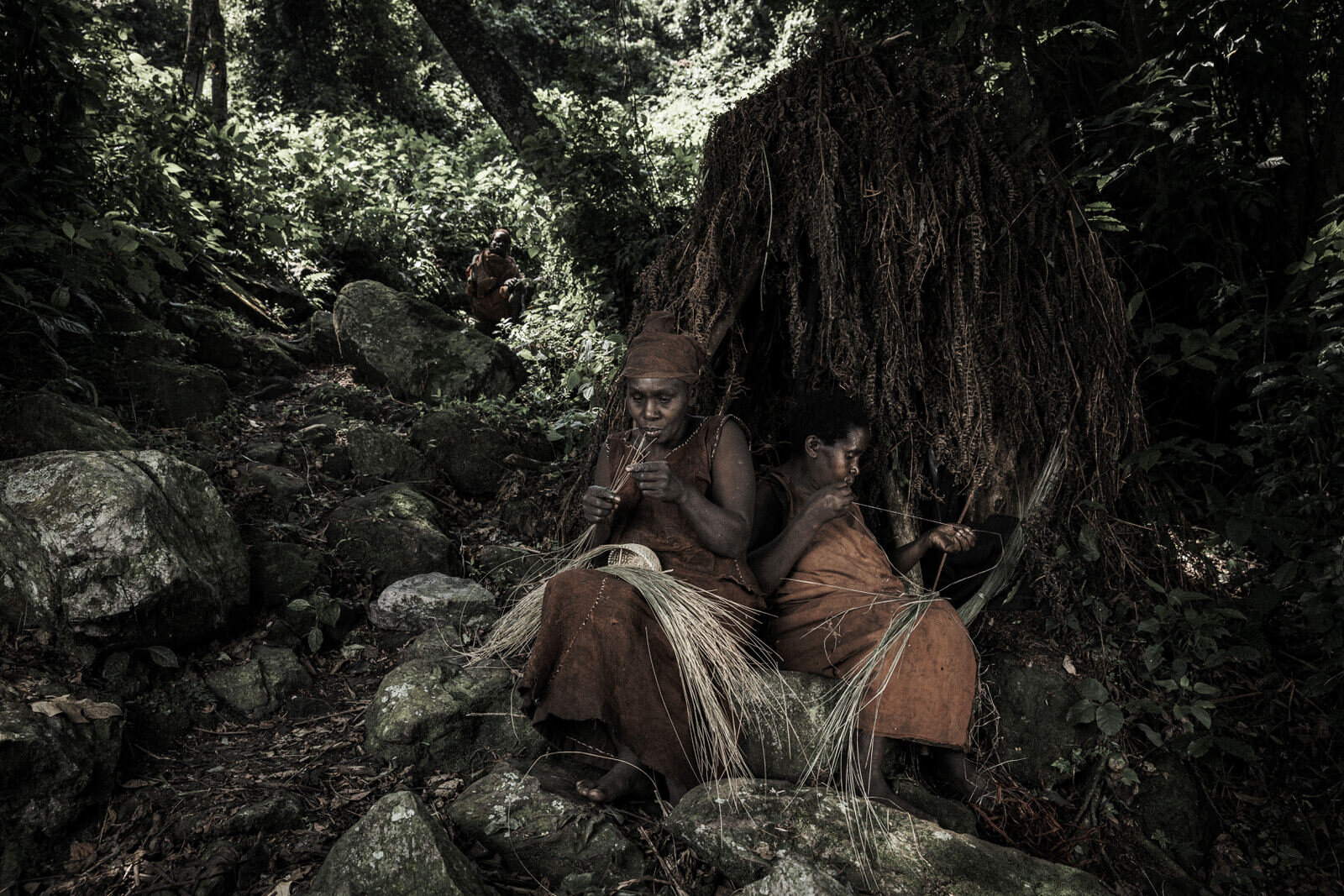
Batwa Support
Batwa Support
Empowering the Batwa: Sustainable Support for One of Africa’s Most Marginalized Indigenous Peoples
Introduction
The Batwa people, often referred to as the “forest keepers,” are one of the oldest surviving Indigenous groups in Central Africa. Traditionally forest dwellers, the Batwa have lived for centuries in the equatorial rainforests of the Great Lakes region, including Uganda, Rwanda, Burundi, and the Democratic Republic of Congo. However, due to forced evictions, marginalization, and systemic discrimination, the Batwa have become one of the most vulnerable and disenfranchised communities in Africa.
This article delves deep into the importance of Batwa support, exploring sustainable solutions, the role of NGOs, government policies, and how global citizens can contribute to empowering this resilient yet marginalized community. We will also examine the socio-political challenges they face and how culturally sensitive development can pave the way for long-term transformation.
Who Are the Batwa?
The Batwa are an Indigenous pygmy people who originally inhabited the dense forests of Central Africa. Known for their intimate knowledge of the forest ecosystem, the Batwa were traditionally hunter-gatherers, relying on the forest for food, medicine, and shelter.
Key Characteristics of the Batwa:
- Indigenous Identity: One of the earliest known inhabitants of the Great Lakes region.
- Cultural Practices: Deeply spiritual, with rituals and traditions tied to the forest.
- Languages: Speak dialects of Bantu languages, often marginalized in national discourse.
- Population: Estimated to be under 100,000 across four countries.
Despite their rich heritage, the Batwa have been systematically displaced, particularly during the creation of national parks and conservation areas like Bwindi Impenetrable Forest in Uganda.
The Crisis of Displacement
The most pressing issue facing the Batwa is landlessness. In the 1990s, many Batwa communities were evicted from their ancestral forests without compensation or resettlement plans. This led to:
- Loss of Livelihoods: Traditional hunting and gathering became impossible.
- Cultural Erosion: Disconnection from sacred forests disrupted spiritual and cultural practices.
- Poverty and Marginalization: Most Batwa now live in extreme poverty, often in makeshift settlements.
Consequences of Forced Evictions:
- High rates of malnutrition and infant mortality
- Limited access to education and healthcare
- Social exclusion and discrimination from neighboring communities
Sustainable Batwa Support: A Multidimensional Approach
Supporting the Batwa requires a holistic and culturally sensitive strategy. This includes:
1. Land Rights and Legal Recognition
Restoring land rights is fundamental. Organizations like Forest Peoples Programme advocate for the legal recognition of Indigenous territories.
Key Actions:
- Legal reforms to recognize customary land tenure
- Participatory mapping of ancestral lands
- Compensation and resettlement programs
2. Education and Capacity Building
Education is a powerful tool for empowerment. However, Batwa children face numerous barriers, including language differences, discrimination, and poverty.
Effective Interventions:
- Scholarships and school feeding programs
- Culturally inclusive curricula
- Training Batwa teachers and community educators
3. Healthcare Access
Due to systemic exclusion, many Batwa communities lack basic healthcare services. NGOs like Survival International have highlighted the urgent need for inclusive health systems.
Healthcare Priorities:
- Mobile clinics in remote areas
- Training of Batwa health workers
- Maternal and child health programs
4. Economic Empowerment
Sustainable livelihoods are key to breaking the cycle of poverty. Initiatives that respect Batwa culture while providing income are essential.
Examples of Economic Initiatives:
- Eco-tourism and cultural tourism
- Artisan cooperatives (e.g., basket weaving, pottery)
- Agroforestry and permaculture training
5. Cultural Preservation
Revitalizing Batwa identity is crucial. Cultural preservation efforts ensure that traditions, languages, and spiritual practices are not lost.
Cultural Support Strategies:
- Documentation of oral histories
- Cultural centers and museums
- Inter-generational knowledge transfer programs
The Role of NGOs and International Organizations
Numerous organizations have stepped in to support the Batwa. These include:
- Minority Rights Group International
- UN Permanent Forum on Indigenous Issues
- Rainforest Foundation UK
These groups provide legal aid, advocacy, and development assistance. However, long-term success depends on collaboration with Batwa communities themselves.
Government Responsibilities and Policy Reform
While NGOs play a vital role, governments must lead the charge in protecting Indigenous rights. This includes:
- Ratifying international conventions like ILO Convention 169
- Implementing national Indigenous policies
- Ensuring Batwa representation in local governance
Examples of Positive Policy Shifts:
- Uganda’s National Land Policy (2013) recognizes customary tenure
- Rwanda’s Vision 2050 includes Indigenous peoples in development plans
Global Solidarity: How You Can Help
Supporting the Batwa is not just a regional issue—it’s a global responsibility. Here’s how individuals and organizations can contribute:
Ways to Support:
- Donate to reputable NGOs working with the Batwa
- Raise awareness through social media and educational campaigns
- Support fair-trade Batwa crafts and eco-tourism
- Advocate for Indigenous rights in international forums
Success Stories: Hope Amidst Hardship
Despite the odds, several Batwa communities have made remarkable progress:
1. The Batwa Development Program (Uganda)
This initiative provides education, healthcare, and housing for displaced Batwa families. It has helped reduce child mortality and increase school enrollment.
2. Cultural Tourism in Rwanda
Batwa communities have partnered with tourism operators to offer cultural experiences, generating income while preserving traditions.
3. Legal Victories in Burundi
In 2018, a landmark court ruling ordered the government to compensate Batwa families for illegal evictions, setting a precedent for land restitution.
Challenges That Remain
While progress has been made, significant challenges persist:
- Systemic Racism: The Batwa are often viewed as inferior by dominant ethnic groups.
- Political Exclusion: Few Batwa hold positions of influence.
- Environmental Threats: Climate change and deforestation further endanger their way of life.
The Path Forward
Supporting the Batwa requires a commitment to justice, equity, and sustainability. It means listening to their voices, respecting their knowledge, and ensuring they are not left behind in the march toward development.
Key Principles for Future Support:
- Inclusion: Batwa must be active participants in decisions affecting them.
- Respect: Policies must honor their culture and traditions.
- Sustainability: Development must be environmentally and socially responsible.
Frequently Asked Questions (FAQ)
1. Who are the Batwa people?
The Batwa are an Indigenous group native to Central Africa, traditionally living as forest-dwelling hunter-gatherers. They are among the most marginalized communities in the region.
2. Why were the Batwa evicted from their forests?
The Batwa were displaced primarily due to the creation of national parks and conservation areas, such as Bwindi Impenetrable Forest. These efforts, while aimed at protecting biodiversity, often ignored Indigenous land rights.
3. What are the main challenges facing the Batwa today?
Key challenges include landlessness, poverty, lack of access to healthcare and education, and systemic discrimination. Many Batwa communities live in extreme poverty without basic services.
4. How can I support the Batwa?
You can support the Batwa by donating to NGOs like Minority Rights Group, advocating for Indigenous rights, supporting fair-trade Batwa products, and raising awareness through education and social media.
5. Are there any success stories of Batwa empowerment?
Yes, initiatives like the Batwa Development Program in Uganda and cultural tourism projects in Rwanda have helped improve livelihoods and preserve cultural heritage.
Conclusion
The story of the Batwa is one of resilience in the face of adversity. While they have endured centuries of marginalization, there is hope. Through inclusive policies, sustainable development, and global solidarity, the Batwa can reclaim their rights, preserve their culture, and build a future rooted in dignity and self-determination.
Let us not forget that supporting the Batwa is not just about charity—it is about justice.