
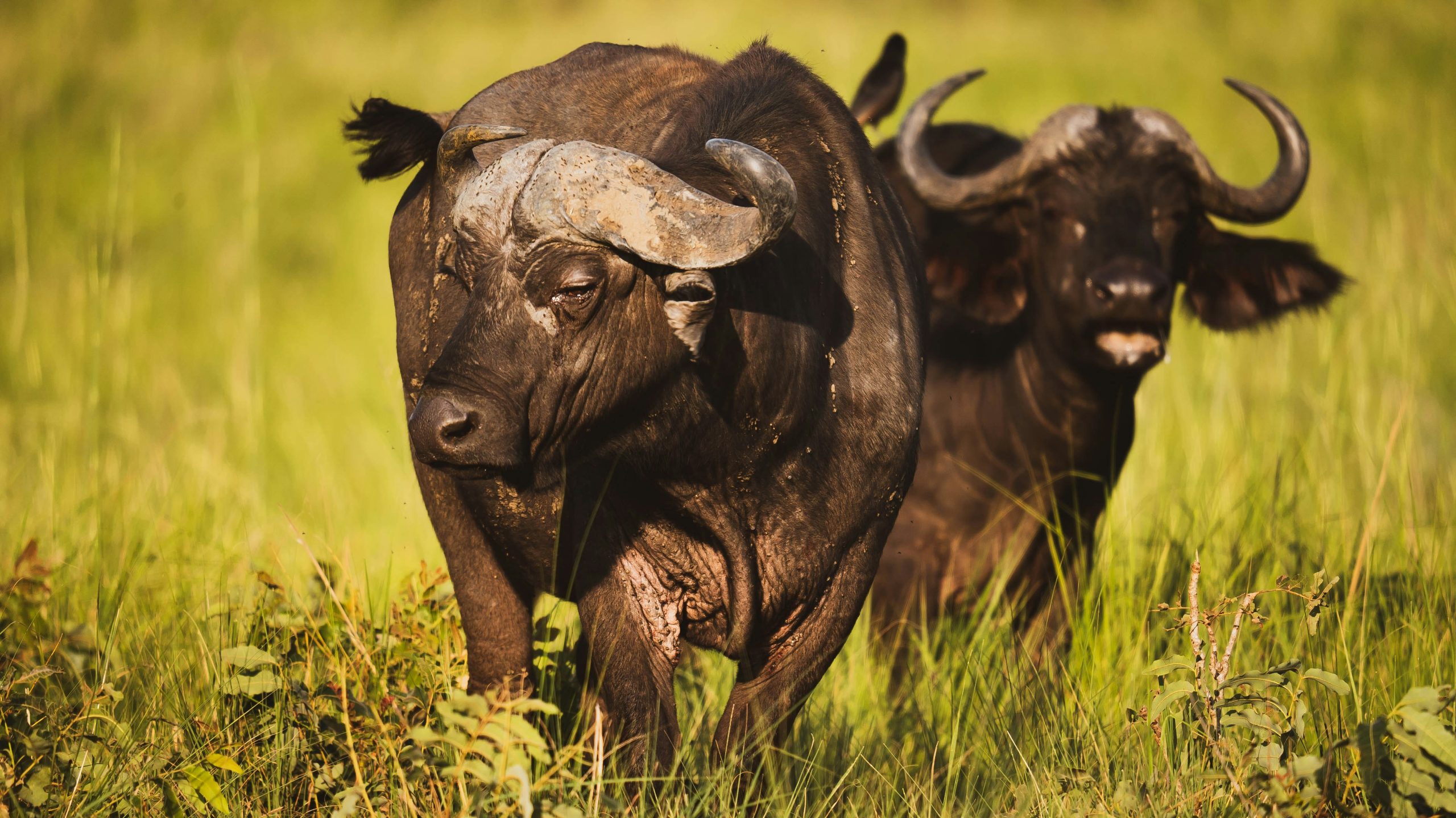
Best Time to See Wildlife in Uganda
Best Time to See Wildlife in Uganda
The Best Time to See Wildlife in Uganda: A Complete Seasonal Guide
Uganda is one of Africa’s most rewarding wildlife destinations, offering mountain gorillas in misty rainforests, chimpanzees in ancient forests, tree climbing lions in the savanna, and over 1,000 bird species across its wetlands and woodlands. Because Uganda sits on the equator, wildlife is active throughout the year, but the timing of your visit shapes everything from trail conditions and animal visibility to crowd levels and permit availability. This guide breaks down Uganda’s seasons, highlights the best months for each wildlife experience, and connects you with expertly curated itineraries from Turkana Wildlife Safaris Uganda.
Understanding Uganda’s Two Dry Seasons
Uganda’s most reliable wildlife viewing windows fall within its two dry seasons. During these months, trails are firmer, roads are more passable, vegetation is thinner, and animals gather around remaining water sources, making them easier to locate.
The long dry season runs from June to September. This is widely considered the prime window for gorilla trekking and classic savanna safaris. Bwindi’s forest trails dry out, chimpanzee tracking in Kibale becomes more comfortable, and game drives in Queen Elizabeth National Park deliver strong sightings of lions, elephants, and buffalo. July is often the peak of peak season, with the famous tree climbing lions of Queen Elizabeth’s Ishasha sector drawing significant attention.
The short dry season stretches from December to February. January and February are outstanding months for primate trekking, with hot, dry conditions and wildlife concentrated near water. This window is also excellent for birders, as Palearctic migrants are still present in large numbers before their departure. December marks the return of dry conditions and is a popular month for combining gorilla trekking with savanna game viewing.
The Wet Seasons: Lush Landscapes and Birding Riches
Uganda’s wet seasons, March to May and October to November, are often overlooked by travelers seeking perfect trail conditions, but they offer distinct rewards for the right kind of safari.
The long rains from March to May transform the country into a vivid green paradise. This is the best time for birders, as Palearctic migrant waders, terns, and raptors arrive in large numbers, and resident species display breeding plumage. Forest understorey birds are more vocal and active, and the green breasted pitta and African pitta are most reliably found in Kibale during these months. For primate lovers, gorilla treks may be shorter because food is plentiful on lower slopes, though trails can be muddy and slippery. Lodge rates drop significantly, and parks are quieter, making this an attractive window for budget conscious travelers who do not mind occasional rain.
The short rains from October to November bring another surge of migratory bird activity, particularly Palearctic waders. This is also a productive period for bird photography, with dramatic skies and lush backdrops. While gorilla trekking remains possible, Bwindi and Kibale can experience heavy downpours and long drizzly periods, so waterproof gear is essential.
A Month by Month Wildlife Calendar for Uganda
January and February deliver hot, dry conditions and excellent primate trekking. Wildlife converges on water sources, and migratory birds are still present. Gorilla permits should be secured well in advance because this is a popular window.
March, April, and May bring the long rains. April is typically the wettest month, with challenging trekking conditions in Bwindi and Kibale, but it is also the quietest and most affordable time to visit. Birding is spectacular, and the forests are alive with song and newborn wildlife.
June, July, and August form the long dry season and the most popular safari window. Gorilla and chimpanzee trekking conditions are at their best, savanna game viewing is outstanding, and the tree climbing lions of Queen Elizabeth are a major draw. Book permits and lodging early, as this is peak season.
September and October mark the transition into the short rains. September can still be relatively dry in some regions, while October brings the arrival of migrants and increasingly lush conditions. Birding improves steadily, and crowd levels begin to fall.
November and December see the short rains taper off and dry conditions return. December is a strong all around month, with excellent conditions across gorilla trekking, chimpanzee tracking, and savanna game drives, plus the bonus of migratory birdlife.
Matching Wildlife Experiences to the Seasons
Mountain Gorillas and Chimpanzees
The dry seasons from June to September and December to February are the most comfortable for primate trekking. Trails are firmer and less slippery, hikes are more manageable, and visibility in the forest is generally better. Gorilla trekking is possible year round, but the wet seasons can make the experience more physically demanding. For travelers who prioritize affordability and solitude over perfect trail conditions, the wet months offer shorter treks and lower lodge rates.
Savanna Wildlife and Tree Climbing Lions
Classic game viewing in Queen Elizabeth National Park, Murchison Falls National Park, and Kidepo Valley National Park is strongest during the dry seasons. As vegetation thins and water becomes scarce, elephants, buffalo, lions, and antelope concentrate around rivers and waterholes. The December to February window is particularly favorable because conditions align well across multiple savanna parks, including Murchison Falls and Kidepo Valley. September and October can also be rewarding for spotting large herds along rivers as vegetation remains low.
Birding and Shoebill Tracking
Uganda is a year round birding destination, but the wet seasons deliver the highest species counts due to the arrival of Palearctic migrants. November to April is the peak window for migratory species, with December and January seeing peak numbers. The dry seasons still offer excellent general birding, easier road access to remote sites, and comfortable temperatures for all day excursions. The shoebill stork can be seen year round at Mabamba Swamp and is equally reliable in all months.
Recommended Turkana Wildlife Safaris Uganda Packages for Your Perfect Season
Choosing the right safari package depends on how you want to balance season, comfort, and budget. Turkana Wildlife Safaris Uganda offers several expertly designed itineraries that align with Uganda’s wildlife calendar.
For travelers targeting the dry season primate experience, the 5 Days Uganda Gorilla and Chimpanzee Trekking combines Bwindi Impenetrable National Park and Kibale National Park, delivering both mountain gorilla and chimpanzee encounters in a compact itinerary that works best when trails are dry. Those who want to add classic savanna game viewing to their primate adventure can consider the 6 Days Gorilla and Chimpanzee Trekking with Wildlife Safari, which includes Queen Elizabeth National Park and a Kazinga Channel boat cruise alongside gorilla and chimpanzee trekking.
For a focused gorilla experience that pairs well with the short dry season, the 5 Day Gorilla Trekking and Queen Elizabeth Safari from Kampala links Bwindi’s mountain gorillas with game drives and boat safaris in Queen Elizabeth National Park, offering a balanced introduction to Uganda’s primates and savanna wildlife. Budget conscious travelers who still want a full gorilla encounter during the dry season can explore the 3 Days Budget Gorilla Trekking Uganda, a short but powerful itinerary that focuses on Bwindi or Mgahinga with budget lodges and a dedicated trekking day.
For a comprehensive journey that spans Uganda’s major ecosystems and works beautifully in the dry season, the 9 Days Ugandan Safari Adventure with Gorillas and Chimpanzee covers Murchison Falls, Kibale, Queen Elizabeth, and Bwindi, including rhino tracking at Ziwa, game drives, boat cruises, and primate trekking in one seamless adventure.
Frequently Asked Questions About the Best Time to See Wildlife in Uganda
What is the absolute best month to visit Uganda for wildlife?
There is no single best month, but June, July, August, and January consistently deliver the strongest overall conditions for gorilla trekking, chimpanzee tracking, and savanna game viewing. July is often considered the peak of peak season for wildlife visibility.
Can I see mountain gorillas during the wet season?
Yes. Gorilla trekking operates year round. The wet seasons bring challenges such as muddy trails and heavier rain, but treks may be shorter because gorillas stay on lower slopes, and lodge rates are lower.
When is the best time for birding in Uganda?
The wet seasons from November to April offer the highest species counts due to migratory arrivals, with December and January seeing peak migrant numbers. However, excellent birding is possible year round, and the dry seasons offer easier access to remote birding sites.
Do I need to book gorilla permits in advance?
Yes. Gorilla permits are limited and should be secured at least six months in advance, especially for the peak dry season months from June to September and December to February. Turkana Wildlife Safaris Uganda can assist with permit arrangements as part of your chosen package.
Is Uganda a good destination for a first time African safari?
Absolutely. Uganda offers a unique combination of primates and classic savanna wildlife, and its equatorial climate keeps temperatures pleasant year round. A guided package with Turkana Wildlife Safaris Uganda allows you to combine gorillas, chimpanzees, tree climbing lions, and boat safaris into one seamless journey.
Conclusion
The best time to see wildlife in Uganda depends on the experiences you value most. The dry seasons from June to September and December to February provide the most comfortable conditions for gorilla trekking, chimpanzee tracking, and savanna game drives, with firmer trails and concentrated wildlife. The wet seasons reward birders with extraordinary migratory activity, lush landscapes, and fewer crowds, while also offering shorter gorilla treks and lower rates for flexible travelers. Whichever season you choose, Uganda delivers wildlife encounters that are difficult to match anywhere else on the continent. With a well timed itinerary from Turkana Wildlife Safaris Uganda, you can align your visit with the rhythms of Uganda’s wildlife and create a safari that fits your pace, your interests, and your budget.