
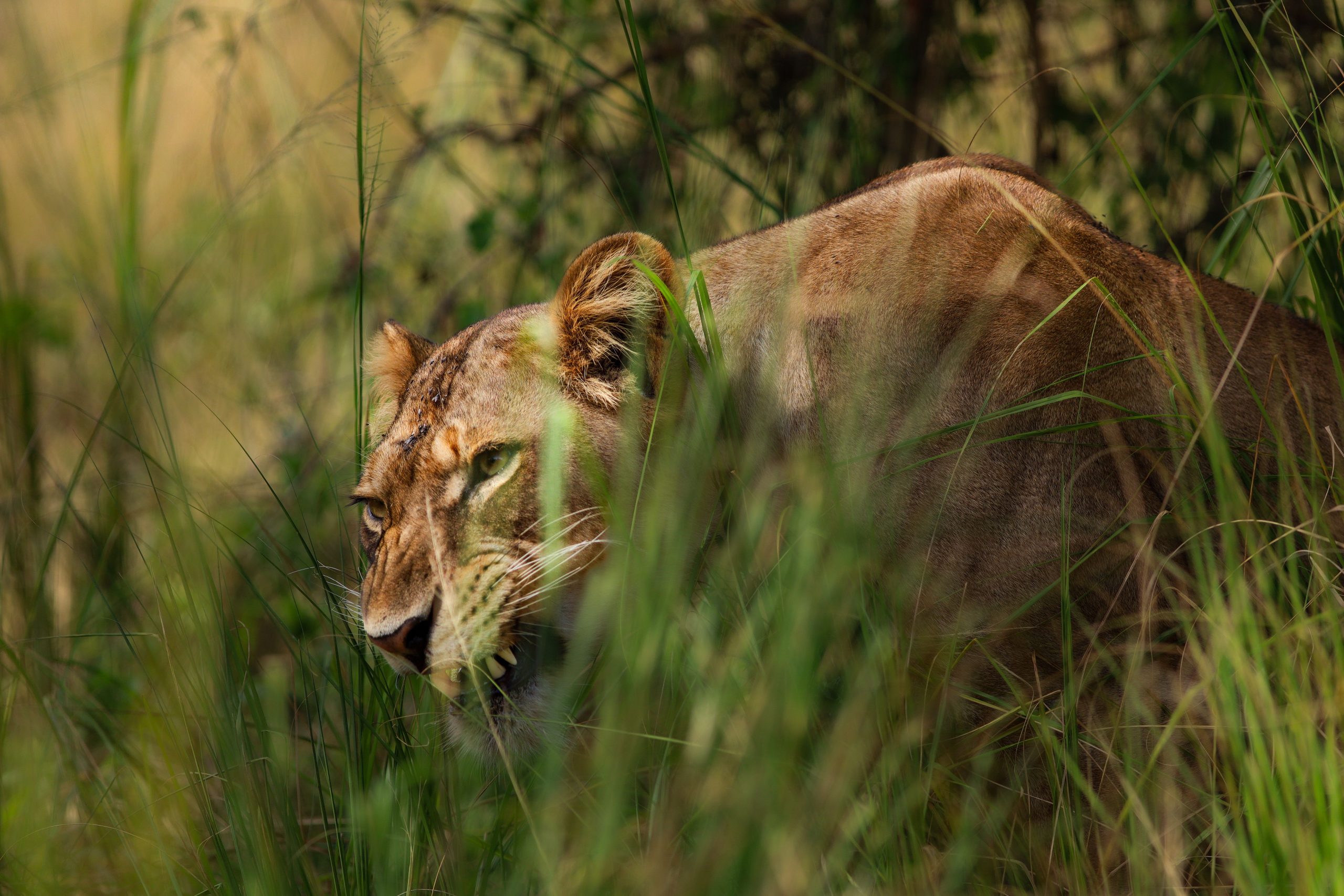
Best Uganda Safari Destinations for Wildlife Photography
Best Uganda Safari Destinations for Wildlife Photography
Best Uganda Safari Destinations for Wildlife Photography: A Complete Guide
Introduction
Uganda, often called the Pearl of Africa, is one of the most rewarding destinations on the continent for wildlife photographers. The country packs an extraordinary variety of habitats into a relatively compact area, from open savannah and dramatic river systems to dense tropical rainforest and papyrus wetlands. This diversity means a single trip can yield portfolios that would otherwise require multiple journeys across Africa. Whether you are drawn to the misty forests of Bwindi for mountain gorillas, the open plains of Queen Elizabeth for tree climbing lions, or the powerful Nile for dramatic waterfall shots, Uganda delivers subjects and lighting conditions that photographers of every level can appreciate. This guide covers the best safari destinations for wildlife photography in Uganda, practical tips for planning your expedition, and how Turkana Wildlife Safaris Uganda can help you build a photography focused itinerary around these remarkable parks.
Why Uganda Is a Top Choice for Wildlife Photography
Uganda offers something that few other safari destinations can match: habitat diversity within short travel distances. A photographer can spend the morning capturing chimpanzees in Kibale Forest and the afternoon photographing elephants against crater lake scenery in Queen Elizabeth National Park. The country is home to more than 1,000 bird species, making it a premier destination for bird photography alongside traditional big game subjects. The two dry seasons, from June to September and December to February, provide firmer trails, shorter grass, and clearer light for game drives and forest treks. Turkana Wildlife Safaris Uganda designs photography safaris with extended game drives, best lighting schedules, and photography friendly vehicles to help photographers make the most of these conditions.
Murchison Falls National Park: Drama on the Nile
Murchison Falls National Park is Uganda’s largest protected area and one of the most photogenic safari destinations in East Africa. The Victoria Nile forces its way through a seven metre gorge before plunging over the falls, creating a dramatic landscape subject that rewards both wide compositions and tight detail shots. The park’s northern bank circuits, including Buligi, Albert, and Delta, are prime game viewing areas where lions, elephants, Rothschild’s giraffes, buffaloes, and Uganda kobs are regularly encountered. The dry season from June to September and December to February offers the clearest photography conditions, with shorter grass that opens sight lines for predator sightings and wildlife concentrated along the river. Boat safaris on the Nile provide close access to hippos, crocodiles, African fish eagles, and kingfishers, with golden hour light making the afternoon cruise a highlight of any photography expedition.
For photographers who want to build an itinerary around Murchison Falls, Turkana Wildlife Safaris Uganda offers a dedicated Dry Season Safari Murchison Falls package designed around the park’s best photographic windows. You can explore this option here: Dry Season Safari Murchison Falls.
Queen Elizabeth National Park: Diversity in Every Frame
Queen Elizabeth National Park is widely regarded as Uganda’s best all around wildlife photography destination because it combines savannah mammals, wetland birds, and striking landscapes in a single area. The Kasenyi Plains offer open grassland for photographing Uganda kob, elephants, buffaloes, and lions when sightings cooperate. The Ishasha sector is famous for its tree climbing lions, which rest in the branches of large fig trees and offer compositions that differ dramatically from the standard lion portrait on open ground. The Kazinga Channel adds another dimension entirely, with boat safaris providing views of hippos, elephants near the water, buffalo, and numerous waterbirds. Photographers should carry both a telephoto lens for close portraits and a wider lens for animals in their surroundings, and plan game drives for early morning and late afternoon when light is soft and directional. Turkana Wildlife Safaris Uganda includes Queen Elizabeth National Park in many of its private safari packages and customized photography itineraries.
Bwindi Impenetrable National Park: Mountain Gorilla Photography
Bwindi Impenetrable National Park is the premier destination in Uganda for primate photography, specifically for mountain gorillas. The park protects roughly half of the world’s remaining mountain gorilla population and offers a once in a lifetime opportunity to photograph these great apes in their natural rainforest habitat. Forest photography at Bwindi comes with its own challenges and rewards. The canopy creates low light conditions that demand fast lenses and higher ISO settings, but the misty atmosphere and dappled light can produce deeply atmospheric images that are impossible to replicate in open savannah. The dry seasons from June to September and December to February keep forest trails firmer and generally offer clearer skies, though overcast days in wetter months can actually suit forest photography well. A photography focused itinerary should allow enough time in Bwindi to acclimatise to the forest conditions and to work with the gorilla family’s movement patterns.
Turkana Wildlife Safaris Uganda offers gorilla trekking experiences within its private safari packages and customized tours, allowing photographers to combine Bwindi with savannah parks for a balanced portfolio.
Kidepo Valley National Park: Remote Wilderness and Solitude
Kidepo Valley National Park is one of Africa’s hidden gems, a remote wilderness in northeastern Uganda that rewards photographers who venture off the mainstream safari circuit. The park is known for large buffalo herds, lions, cheetahs, and a sense of solitude that is increasingly rare in more heavily visited reserves. For photographers, Kidepo offers open landscapes with dramatic mountain backdrops and wildlife that is less habituated to vehicles, making for authentic behavioural shots. The park’s isolation means fewer vehicles in the frame and more freedom to work a scene without crowd pressure. Turkana Wildlife Safaris Uganda includes Kidepo Valley in its customized safari offerings, allowing photographers to build a route that connects the remote north with the classic western parks.
Mabamba Swamp: Shoebill and Bird Photography
Mabamba Swamp on the edge of Lake Victoria is one of Uganda’s finest wildlife photography experiences for birders. The wetland is the most accessible place in Uganda to photograph the prehistoric looking shoebill stork, a species that draws professional photographers from around the world. A guided canoe safari through the papyrus channels offers opportunities for shoebill portraits, birds in flight, papyrus landscapes, and reflections on the calm water. Sunrise photography at Mabamba is particularly rewarding, with soft light filtering through the papyrus and mist rising off the swamp. Turkana Wildlife Safaris Uganda offers a dedicated Mabamba Shoebill Safari Tour for photographers who want to add this iconic species to their portfolio: Mabamba Shoebill Safari Tour.
Kibale Forest National Park: Chimpanzee and Primate Photography
Kibale Forest National Park is Africa’s primate capital, home to the highest density of chimpanzees in Uganda. For photographers, chimpanzee tracking in Kibale offers opportunities to capture feeding behaviour, social interactions, forest portraits, and the expressive faces of one of our closest living relatives. The forest environment is dark and complex, so fast prime lenses and careful exposure management are essential. The dry season from December to January and June to August offers the most suitable conditions for chimpanzee tracking, with firmer ground and a success rate above 90 percent during the months of May through August. Turkana Wildlife Safaris Uganda’s 10 Days Uganda Wildlife Photography Expedition includes dedicated chimpanzee photography time in Kibale as part of a broader itinerary that also covers Murchison Falls, Queen Elizabeth, and Bwindi.
Planning a Uganda Wildlife Photography Safari: Practical Tips
Choose the dry seasons for clearer conditions. The long dry season from June to September and the short dry season from December to February offer firmer trails, shorter grass, and clearer light for both savannah game drives and forest treks. For Murchison Falls specifically, the dry months deliver the most reliable wildlife viewing and the clearest photography conditions of the year.
Carry the right equipment for mixed habitats. A telephoto zoom is essential for distant wildlife and bird portraits, while a versatile standard zoom covers landscapes and environmental shots. Spare batteries, ample memory cards, and rain protection for your camera are non negotiable in Uganda’s varied conditions. A protective filter can help against dust on game drives and water spray near the falls.
Work with the light. Early morning and late afternoon provide softer, directional light for open country wildlife and landscapes. In forest environments like Bwindi and Kibale, overcast conditions can actually be an advantage, diffusing light and reducing harsh shadows.
Allow enough time in each destination. Uganda’s parks are spread across the country, and rushing between them reduces photography opportunities. A 10 day expedition allows photographers to settle into each habitat, learn animal behaviour, and wait for the right moment rather than simply passing through.
Choose a photography focused operator. Turkana Wildlife Safaris Uganda offers a Photography Safaris category with extended game drives, best lighting schedules, and photography friendly vehicles, designed specifically for wildlife photographers rather than general tourists. Their 10 Days Uganda Wildlife Photography Expedition is built around strategic game drives, expert guiding, and visits to Uganda’s premier national parks, making it a strong foundation for a dedicated photography trip: 10 Days Uganda Wildlife Photography Expedition.
Frequently Asked Questions
What is the best time of year for wildlife photography in Uganda?
The dry seasons from June to September and December to February are generally best for wildlife photography, with firmer trails, shorter grass, and clearer light. For forest photography of gorillas and chimpanzees, these dry months also make trekking more manageable, though the green season can offer lush scenery and atmospheric conditions.
Which Uganda park is best for a first time wildlife photography safari?
Queen Elizabeth National Park and Murchison Falls National Park are the strongest all around choices for a first photography safari because they combine varied savannah wildlife, river scenery, and landscape opportunities in accessible settings. Queen Elizabeth offers tree climbing lions and the Kazinga Channel, while Murchison Falls delivers the dramatic Nile waterfall and reliable big game sightings.
Can I photograph mountain gorillas in Uganda?
Yes. Bwindi Impenetrable National Park is the premier destination for mountain gorilla photography in Uganda. Gorilla trekking permits are required and should be booked well in advance, especially during the dry seasons when demand is highest. Turkana Wildlife Safaris Uganda includes gorilla trekking experiences within its private and customized safari packages.
What equipment should I bring for a Uganda photography safari?
A telephoto zoom for distant wildlife and birds, a versatile standard zoom for landscapes and environmental portraits, spare batteries and memory cards, and rain protection for your camera are essential. For forest photography in Bwindi and Kibale, a fast lens that performs well in low light is a significant advantage.
Does Turkana Wildlife Safaris Uganda offer dedicated photography itineraries?
Yes. Turkana Wildlife Safaris Uganda offers a Photography Safaris category with extended game drives, best lighting schedules, and photography friendly vehicles. Their 10 Days Uganda Wildlife Photography Expedition is specifically designed for photographers and covers Murchison Falls, Kibale, Queen Elizabeth, and Bwindi, with chimpanzee photography and savannah game drives built into the itinerary.
Conclusion
Uganda is one of Africa’s most complete wildlife photography destinations, offering mountain gorillas in misty rainforest, tree climbing lions on open plains, shoebills in papyrus swamps, and dramatic Nile scenery in a single country. The key to a successful photography safari is matching your itinerary to the seasons, choosing parks that offer the habitats and subjects you want to capture, and working with an operator who understands the specific needs of photographers rather than general tourists. Turkana Wildlife Safaris Uganda provides photography focused packages, from the dedicated 10 Days Uganda Wildlife Photography Expedition to customized private safaris that can be built around your subject priorities and travel dates. Whether you are planning your first Uganda photography safari or returning to build a more specialised portfolio, the destinations in this guide offer a strong foundation for unforgettable images from the Pearl of Africa.