
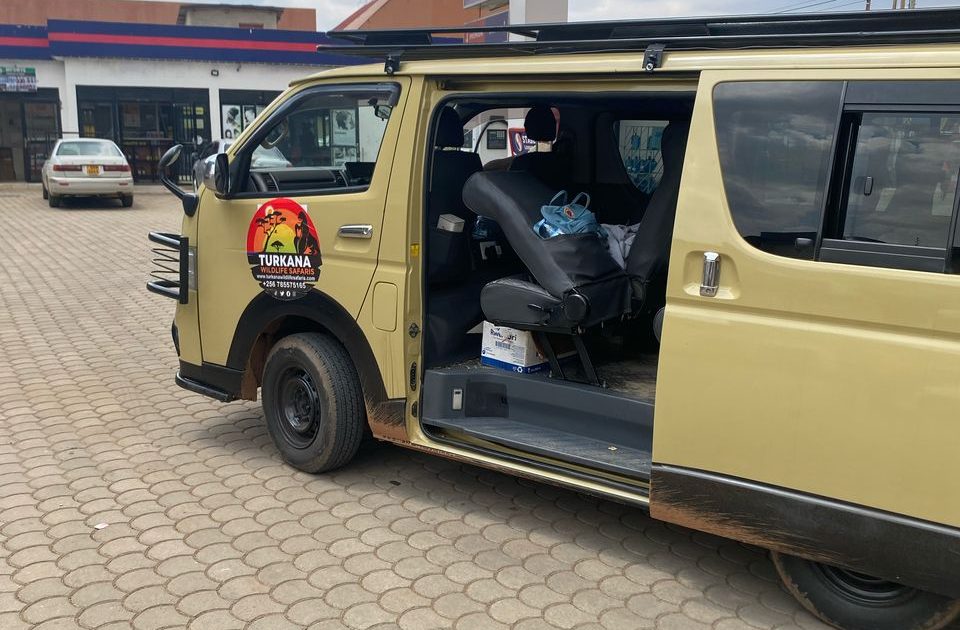
Best Way to Travel to Uganda
Best Way to Travel to Uganda
The Best Way to Travel to Uganda: A Complete Guide for Smart Travelers
Uganda, often referred to as the “Pearl of Africa,” is a breathtaking destination that offers a rich tapestry of wildlife, vibrant culture, and stunning landscapes. From the majestic Rwenzori Mountains to the serene waters of Lake Victoria, this East African gem is a must-visit for adventurers, nature lovers, and cultural explorers alike.
But before you can immerse yourself in the beauty of Uganda, you need to know the best way to get there. This comprehensive guide will walk you through everything you need to know about traveling to Uganda — from choosing the right flights and understanding visa requirements to navigating local transportation and staying safe.
Why Visit Uganda?
Uganda is a land of contrasts. It’s where the East African savannah meets the West African jungle. It’s home to half of the world’s remaining mountain gorillas, the source of the Nile River, and some of the friendliest people on the continent.
Highlights of Uganda:
- Gorilla trekking in Bwindi Impenetrable Forest
- White-water rafting on the Nile River
- Game drives in Queen Elizabeth National Park
- Bird watching with over 1,000 species
- Cultural experiences with over 50 ethnic groups
Best Time to Travel to Uganda
Uganda has a tropical climate, making it a year-round destination. However, the best time to visit is during the dry seasons:
- June to August
- December to February
These months are ideal for wildlife viewing and trekking as trails are less muddy and animals gather around water sources.
How to Get to Uganda
1. Flying to Uganda
The most efficient and common way to travel to Uganda is by air. The country’s primary international gateway is Entebbe International Airport (EBB), located about 40 km from the capital, Kampala.
Major Airlines Flying to Uganda:
Tips for Booking Flights:
- Use flight comparison tools like Skyscanner or Google Flights
- Book at least 2–3 months in advance for the best deals
- Consider layovers in Nairobi, Addis Ababa, or Doha for cheaper fares
2. Traveling Overland
If you’re already in East Africa, you can travel to Uganda via road from neighboring countries:
- Kenya – via Busia or Malaba border posts
- Rwanda – via Gatuna or Cyanika
- Tanzania – via Mutukula border
Reliable bus companies include:
Visa Requirements for Uganda
Most travelers need a visa to enter Uganda. Fortunately, the process is straightforward.
Types of Visas:
- Single-entry visa – $50 USD
- East Africa Tourist Visa – $100 USD (valid for Uganda, Kenya, and Rwanda)
How to Apply:
- Apply online via the Uganda Electronic Visa Portal
- Processing time: 2–5 business days
- Required documents: passport, passport photo, yellow fever certificate
Health and Safety Tips
Before traveling to Uganda, it’s crucial to be prepared health-wise.
Vaccinations:
- Yellow fever (mandatory)
- Hepatitis A and B
- Typhoid
- Malaria prophylaxis is highly recommended
Travel Insurance:
Always travel with comprehensive travel insurance that covers medical emergencies, trip cancellations, and theft.
Currency and Budgeting
Uganda uses the Ugandan Shilling (UGX). Foreign currencies like USD are widely accepted in tourist areas.
Currency Tips:
- Carry small denominations of USD
- Use ATMs in major cities like Kampala and Entebbe
- Avoid street money changers
Estimated Daily Budget:
- Budget traveler: $30–$50
- Mid-range: $60–$150
- Luxury: $200+
Getting Around Uganda
Once in Uganda, you’ll need to navigate the country efficiently.
Domestic Flights:
Public Transportation:
- Matatus (shared minibuses)
- Boda-bodas (motorcycle taxis) – quick but risky
- Private taxis – safer but more expensive
Car Rentals:
- Rent a 4×4 for safaris and rural travel
- Consider hiring a driver for convenience and safety
Internet and Connectivity
Uganda has decent internet coverage in urban areas.
SIM Cards:
- Available from providers like MTN Uganda and Airtel Uganda
- Affordable data bundles
- Bring an unlocked phone
Cultural Etiquette
Understanding local customs will enrich your experience.
Do’s:
- Greet people with a handshake
- Dress modestly, especially in rural areas
- Ask permission before taking photos
Don’ts:
- Don’t criticize the government
- Avoid public displays of affection
- Don’t litter – Ugandans value cleanliness
Top Places to Visit in Uganda
1. Bwindi Impenetrable National Park
- Home to over 400 mountain gorillas
- UNESCO World Heritage Site
2. Murchison Falls National Park
- Powerful waterfalls on the Nile
- Excellent for game drives and boat safaris
3. Kibale Forest National Park
- Best place for chimpanzee tracking
- Rich biodiversity
4. Jinja
- Adventure capital of East Africa
- White-water rafting, bungee jumping, kayaking
5. Kampala
- Vibrant capital with bustling markets and nightlife
- Visit the Uganda Museum and Kasubi Tombs
Sustainable Travel in Uganda
Support eco-tourism and local communities by:
- Choosing eco-lodges
- Hiring local guides
- Buying handmade crafts
- Respecting wildlife and nature
Packing List for Uganda
Essentials:
- Passport and visa
- Yellow fever certificate
- Lightweight clothing
- Hiking boots
- Insect repellent
- Sunscreen and hat
- Reusable water bottle
- Binoculars and camera
Frequently Asked Questions (FAQ)
1. Is Uganda safe for tourists?
Yes, Uganda is generally safe for tourists. However, exercise normal precautions, avoid walking alone at night, and stay updated on local news.
2. Do I need a visa to travel to Uganda?
Most travelers require a visa. You can apply online through the Uganda e-Visa portal.
3. What is the best way to get around Uganda?
For long distances, domestic flights or private car hire are best. In cities, use ride-hailing apps or taxis rather than boda-bodas for safety.
4. Can I use US dollars in Uganda?
Yes, USD is widely accepted, especially in tourist areas. However, use local currency for small purchases.
5. What is the best time to visit Uganda?
The dry seasons (June–August and December–February) are ideal for wildlife viewing and trekking.
Final Thoughts
Traveling to Uganda is a rewarding experience filled with unforgettable adventures and warm hospitality. Whether you’re tracking gorillas in the misty forests of Bwindi or rafting down the Nile in Jinja, Uganda offers something for every traveler.
By planning carefully, respecting local customs, and traveling responsibly, you’ll not only enjoy a seamless journey but also contribute positively to the communities and ecosystems that make Uganda so special.
So pack your bags, book your flight, and get ready to explore the Pearl of Africa — a land where adventure meets authenticity.