
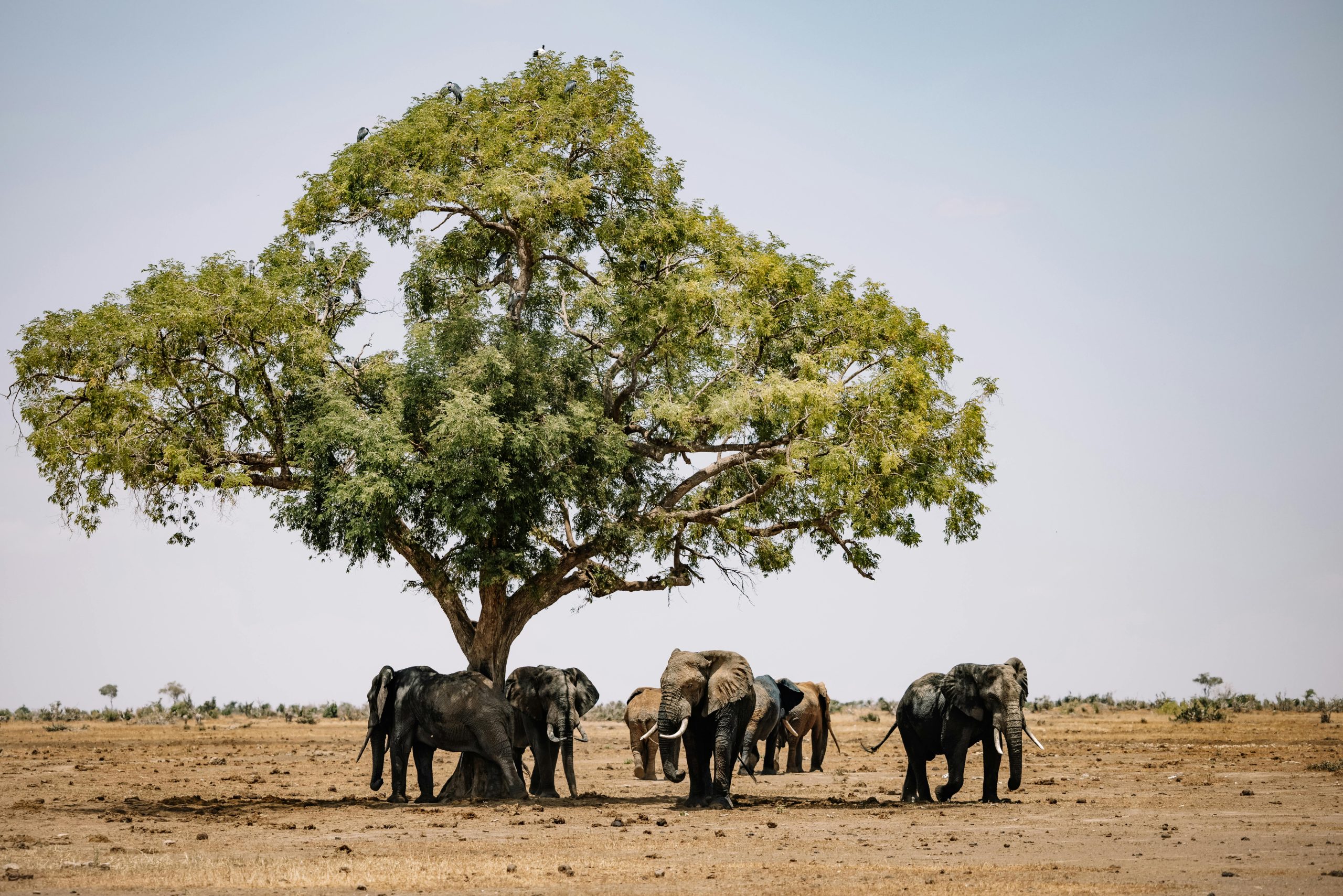
Best Wildlife Photography Tips
Best Wildlife Photography Tips
Best Wildlife Photography Tips: Capture Nature Like a Pro
Wildlife photography is more than just pointing a camera at an animal and pressing the shutter. It’s a thrilling blend of patience, skill, and an intimate understanding of nature. Whether you’re a budding enthusiast or a seasoned shutterbug looking to refine your craft, mastering wildlife photography requires a strategic approach and a deep respect for the natural world.
In this comprehensive guide, we’ll explore the most effective and professional wildlife photography tips to help you elevate your shots from ordinary to extraordinary. From essential gear to field techniques, post-processing, and ethical practices, this article is your ultimate resource for capturing the wild in its purest form.
Understanding Wildlife Photography
Wildlife photography is the art of documenting animals in their natural habitats. It’s a genre that demands not only technical prowess but also a deep appreciation for the environment and the creatures within it.
Why Wildlife Photography Matters
- Conservation Awareness: Powerful images can raise awareness about endangered species and environmental issues.
- Scientific Documentation: High-quality photos assist researchers in studying animal behavior.
- Artistic Expression: Nature offers an ever-changing canvas for creative storytelling.
Explore more about the importance of wildlife photography in conservation efforts.
Essential Gear for Wildlife Photography
Your equipment can make or break a wildlife photo. Investing in the right tools ensures you’re ready for any moment nature throws your way.
Must-Have Equipment
- DSLR or Mirrorless Camera: Look for models with fast autofocus and high frame rates.
- Telephoto Lens (300mm or more): Essential for capturing distant subjects without disturbing them.
- Tripod or Monopod: Stabilizes your camera for sharp images, especially in low light.
- Camera Backpack: Protects your gear and allows for mobility in rugged terrain.
- Memory Cards & Batteries: Always carry extras—you never know when the perfect shot will happen.
Check out this wildlife photography gear guide for detailed recommendations.
Camera Settings for Stunning Wildlife Shots
Knowing your camera inside and out is crucial. Wildlife moments are fleeting, and you must be ready.
Recommended Settings
- Shutter Speed: Use 1/1000s or faster to freeze motion.
- Aperture: A wide aperture (f/2.8–f/5.6) isolates subjects and creates beautiful bokeh.
- ISO: Keep it low for quality, but don’t be afraid to raise it in low light.
- Autofocus Mode: Use AI Servo (Canon) or AF-C (Nikon/Sony) for moving subjects.
- Burst Mode: Capture multiple frames per second to increase your chances of getting the perfect shot.
Learn more about camera settings for wildlife photography.
Field Techniques for Capturing Wildlife
Being in the right place at the right time is only part of the equation. How you behave in the field significantly impacts your success.
Pro Tips for the Field
- Scout Locations: Visit early to understand animal patterns and best vantage points.
- Blend In: Wear neutral colors and move slowly to avoid startling wildlife.
- Use Natural Cover: Trees, bushes, and rocks can help you stay hidden.
- Be Patient: Sometimes, waiting hours for a single shot is worth it.
- Know Your Subject: Study animal behavior to anticipate movements.
For more on fieldcraft, visit this wildlife photography field guide.
Lighting and Composition
Light and composition are the soul of a photograph. Mastering these elements transforms a snapshot into a masterpiece.
Best Times to Shoot
- Golden Hour: The hour after sunrise and before sunset offers soft, warm light.
- Overcast Days: Provide even lighting and reduce harsh shadows.
Composition Techniques
- Rule of Thirds: Place your subject off-center for a dynamic image.
- Leading Lines: Use natural elements like rivers or branches to guide the viewer’s eye.
- Negative Space: Emphasizes the subject and creates mood.
- Eye Contact: A direct gaze from an animal creates a powerful connection.
Discover more about composition in wildlife photography.
Post-Processing Tips
Editing is where your photos come to life. It’s not about altering reality but enhancing what’s already there.
Essential Edits
- Crop for Impact: Remove distractions and improve framing.
- Adjust Exposure: Balance highlights and shadows.
- Sharpen Details: Especially important for fur and feathers.
- Color Correction: Ensure natural yet vibrant tones.
- Noise Reduction: Especially useful for high ISO images.
Recommended tools: Adobe Lightroom, Photoshop, and DxO PhotoLab.
Ethical Wildlife Photography
Respect for wildlife is non-negotiable. Ethical practices ensure the safety of both animals and photographers.
Ethical Guidelines
- Do Not Bait: Never lure animals with food or sounds.
- Keep Your Distance: Use long lenses instead of getting too close.
- Avoid Nesting Sites: Disturbing breeding areas can have serious consequences.
- Leave No Trace: Pack out everything you bring in.
- Respect Local Laws: Know the rules of the area you’re shooting in.
Learn more about ethical wildlife photography.
Common Mistakes to Avoid
Even experienced photographers can fall into bad habits. Awareness is the first step to improvement.
Frequent Errors
- ❌ Using the wrong shutter speed
- ❌ Ignoring background distractions
- ❌ Over-editing images
- ❌ Getting too close to wildlife
- ❌ Not researching animal behavior
Avoid these pitfalls with this wildlife photography mistakes guide.
Top Locations for Wildlife Photography
The world is full of breathtaking places to photograph wildlife. Here are some of the most iconic and diverse locations.
Global Hotspots
- Serengeti, Tanzania – Home to the Great Migration and Big Five.
- Yellowstone National Park, USA – Wolves, bears, and bison in dramatic landscapes.
- Pantanal, Brazil – Best place to spot jaguars.
- Galápagos Islands, Ecuador – Unique species found nowhere else.
- Ranthambore, India – One of the best places to photograph tigers.
Explore more wildlife photography destinations.
FAQ: Wildlife Photography
1. What is the best lens for wildlife photography?
A telephoto lens between 300mm and 600mm is ideal. It allows you to photograph animals from a safe distance without disturbing them. Learn more about wildlife lenses.
2. How do I stay safe while photographing wildlife?
Safety starts with knowledge. Understand animal behavior, keep your distance, and never put yourself between an animal and its escape route. Read this wildlife safety guide.
3. What time of day is best for wildlife photography?
Early morning and late afternoon (golden hours) offer the best light and increased animal activity. Discover more about timing your wildlife shoots.
4. Can I use a smartphone for wildlife photography?
While smartphones have advanced, they lack the zoom and speed needed for serious wildlife photography. However, they can be useful for scouting or capturing behind-the-scenes moments. Explore mobile wildlife photography tips.
5. How do I improve my wildlife photography skills?
Practice regularly, study the work of professionals, and spend time observing animals. Joining workshops or online courses can also accelerate your learning. Check out this wildlife photography course.
Final Thoughts
Wildlife photography is a journey of discovery, patience, and passion. With the right knowledge, gear, and mindset, you can create images that not only captivate but also inspire change. Remember, the best wildlife photographers are those who respect the wild as much as they admire it.
So grab your camera, head into nature, and let the wild guide your lens.