
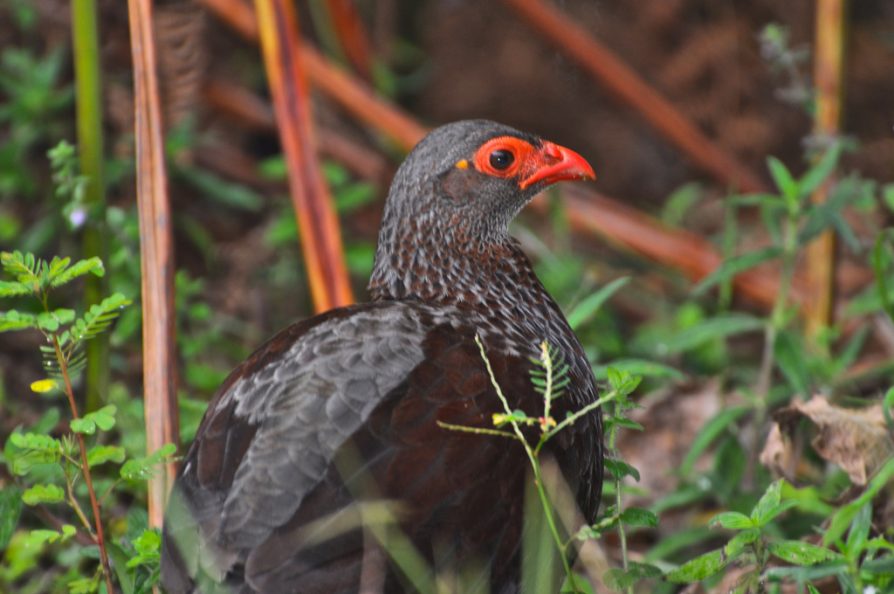
Bigodi Wetland Sanctuary
Bigodi Wetland Sanctuary
Discovering Bigodi Wetland Sanctuary: Uganda’s Hidden Eco-Tourism Gem
Introduction
Nestled in the heart of western Uganda, near the renowned Kibale National Park, lies the enchanting Bigodi Wetland Sanctuary. This lush, biodiverse paradise is a haven for eco-tourists, bird watchers, and conservation enthusiasts. Often overshadowed by Uganda’s more famous wildlife destinations, Bigodi offers an immersive experience into the country’s rich ecological tapestry and community-led conservation efforts.
In this comprehensive guide, we delve deep into the wonders of Bigodi Wetland Sanctuary—its unique biodiversity, cultural significance, eco-tourism potential, and how it plays a crucial role in sustainable travel in Uganda. Whether you’re planning a safari or simply exploring Africa’s hidden gems, this article will provide everything you need to know about this incredible destination.
What is Bigodi Wetland Sanctuary?
Bigodi Wetland Sanctuary is a community-managed nature reserve located in the Kamwenge District of western Uganda. It spans approximately 4.5 square kilometers and is situated just outside the boundaries of Kibale Forest National Park. The sanctuary is managed by the KAFRED (Kibale Association for Rural and Environmental Development), a local community-based organization that promotes eco-tourism and sustainable development.
Key Highlights
- Over 200 species of birds, including the iconic Great Blue Turaco
- Home to 8 species of primates, including red colobus monkeys and L’Hoest’s monkeys
- A rich variety of flora and fauna
- Guided nature walks and birding tours
- Community involvement and conservation education
Biodiversity of Bigodi Wetland Sanctuary
Avian Paradise
Bigodi is a bird watcher’s dream. With over 200 recorded bird species, it is one of the most rewarding birding destinations in East Africa. Some of the standout species include:
- Great Blue Turaco
- African Pitta
- Black-and-white casqued hornbill
- Papyrus gonolek
- White-spotted flufftail
These birds thrive in the swampy vegetation and forested edges of the sanctuary, making it an ideal spot for both amateur and professional ornithologists.
Primate Haven
The sanctuary is also a refuge for various primate species. Visitors often encounter:
- Red colobus monkeys
- Black-and-white colobus monkeys
- Vervet monkeys
- L’Hoest’s monkeys
- Grey-cheeked mangabeys
- Olive baboons
The proximity of Bigodi to Kibale National Park—home to the largest population of chimpanzees in Uganda—makes it a complementary destination for primate tracking.
Flora and Fauna
The wetland is teeming with plant life, including ferns, papyrus, and tropical hardwood trees. It also supports a variety of mammals, reptiles, and insects, contributing to its status as a biodiversity hotspot.
Eco-Tourism and Community Involvement
The Role of KAFRED
The management of Bigodi Wetland Sanctuary by KAFRED is a shining example of community-led conservation. The organization ensures that proceeds from tourism are reinvested into local development projects such as:
- Building schools and health clinics
- Providing clean water
- Supporting women’s groups and youth initiatives
- Promoting environmental education
This model not only preserves the sanctuary’s ecological integrity but also uplifts the surrounding communities.
Sustainable Tourism Practices
Bigodi is a model for sustainable tourism in Uganda. Visitors are encouraged to:
- Participate in guided eco-walks led by trained local guides
- Respect wildlife and natural habitats
- Support local crafts and businesses
- Learn about local culture and traditions
By choosing to visit Bigodi, travelers contribute directly to conservation and community development.
Activities at Bigodi Wetland Sanctuary
Guided Nature Walks
One of the most popular activities is the guided nature walk, which typically lasts 2-3 hours. These walks offer close encounters with wildlife and provide insights into the ecological and cultural significance of the wetland.
Bird Watching Tours
Specialized birding tours are available for enthusiasts who wish to spot rare and endemic species. Local guides, equipped with deep knowledge of the area, make these tours both educational and exciting.
Cultural Encounters
Visitors can engage with the local community through:
- Traditional dance performances
- Village walks
- Visits to local schools and craft centers
- Storytelling sessions with elders
These experiences offer a deeper understanding of the Batooro and Bakiga cultures that inhabit the region.
How to Get There
Bigodi Wetland Sanctuary is located approximately 6 kilometers south of Fort Portal, along the Kamwenge road. It is easily accessible by road from major cities like Kampala and Entebbe.
Travel Options
- Self-drive or private car hire
- Guided tours from Turkana Wildlife Safaris
- Public transport to Fort Portal, followed by local taxis
For a seamless experience, consider booking a custom Uganda safari package that includes Bigodi as part of the itinerary.
Best Time to Visit
Uganda’s climate allows for year-round travel, but the best time to visit Bigodi Wetland Sanctuary is during the dry seasons:
- December to February
- June to September
During these months, trails are more accessible, and wildlife sightings are more frequent.
Accommodation Near Bigodi
There are several eco-lodges and guesthouses near the sanctuary, catering to various budgets:
Recommended Lodges
- Turkana Eco Lodge
- Kibale Forest Camp
- Chimpanzee Forest Guesthouse
- Primate Lodge Kibale
These accommodations offer comfortable stays with easy access to both Bigodi and Kibale National Park.
Why Visit Bigodi Wetland Sanctuary?
Unique Selling Points
- Rich biodiversity in a compact area
- Authentic cultural experiences
- Community-driven conservation model
- Ideal for bird watchers and primate lovers
- Close proximity to other major attractions
Bigodi is not just a destination—it’s a movement towards responsible tourism and environmental stewardship.
Combine Bigodi with Other Attractions
Bigodi is ideally located for inclusion in a broader Uganda safari itinerary. Consider combining your visit with:
- Chimpanzee tracking in Kibale National Park
- Queen Elizabeth National Park
- Bwindi Impenetrable Forest
- Murchison Falls National Park
These combinations offer a comprehensive view of Uganda’s diverse ecosystems and wildlife.
Frequently Asked Questions (FAQ)
1. What makes Bigodi Wetland Sanctuary unique?
Bigodi stands out for its community-based conservation model, rich biodiversity, and proximity to Kibale National Park. It offers an intimate, off-the-beaten-path experience that is ideal for eco-tourists.
2. Is Bigodi suitable for children and families?
Yes, the sanctuary is family-friendly. The guided walks are educational and safe, making it a great destination for children to learn about nature and conservation.
3. How can I support the local community during my visit?
You can support by hiring local guides, purchasing handmade crafts, staying in community-run lodges, and donating to KAFRED’s development projects.
4. What should I pack for a visit?
- Comfortable walking shoes
- Binoculars for bird watching
- Insect repellent
- Light rain jacket
- Camera with zoom lens
5. Can I visit Bigodi as part of a larger safari?
Absolutely. Many tour operators like Turkana Wildlife Safaris offer packages that include Bigodi alongside other top destinations in Uganda.
Conclusion
Bigodi Wetland Sanctuary is more than just a tourist attraction—it’s a living example of how conservation and community can thrive together. From its vibrant birdlife and playful primates to its warm, welcoming people, Bigodi offers an unforgettable journey into the heart of Uganda’s natural and cultural heritage.
Whether you’re a seasoned traveler or a first-time visitor to Africa, make sure to include Bigodi in your itinerary. Not only will you witness the beauty of Uganda’s wetlands, but you’ll also contribute to a sustainable future for its people and wildlife.
For more information or to book your eco-safari, visit Turkana Wildlife Safaris.