
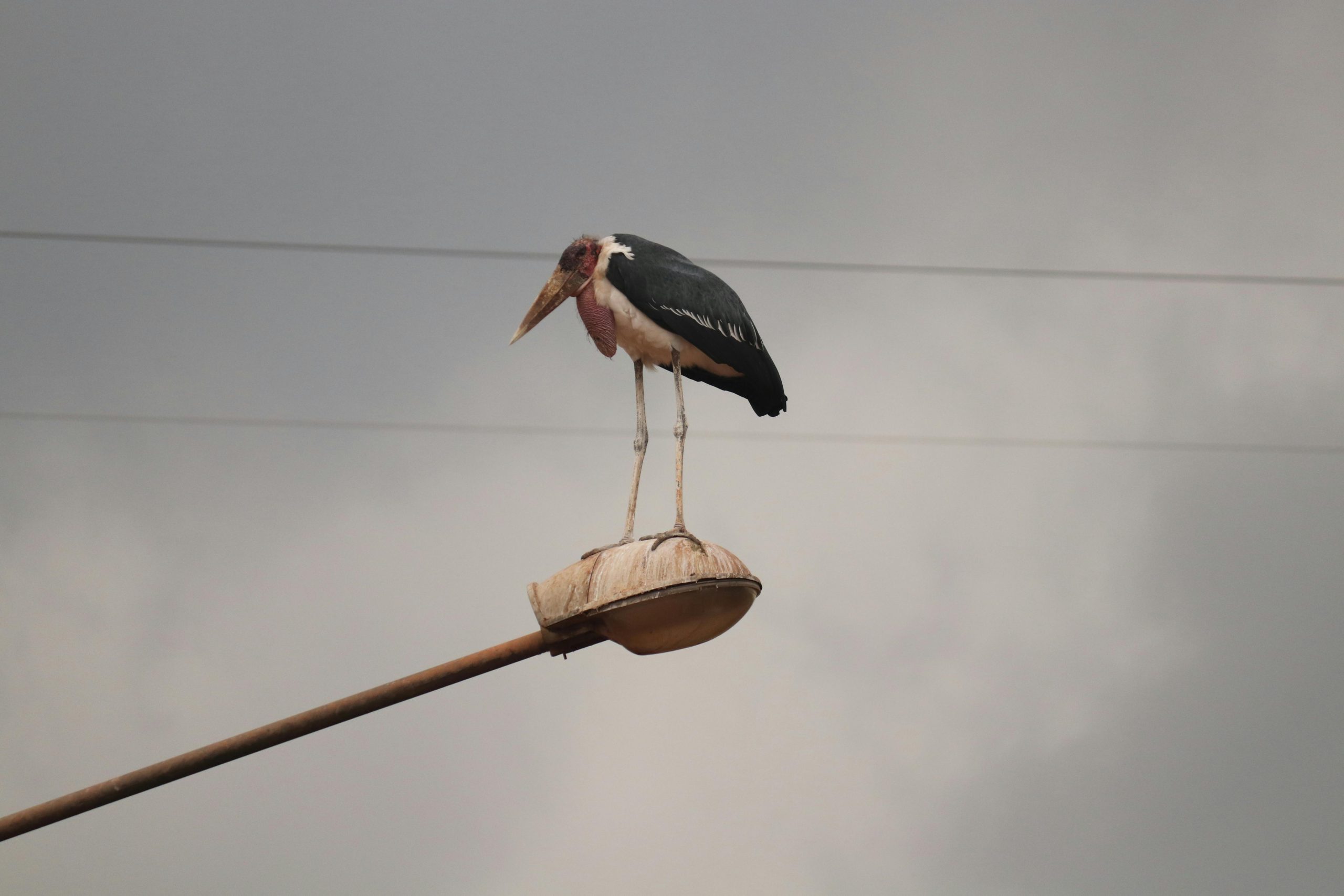
Bird Photography Safari in Uganda
Bird Photography Safari in Uganda
Bird Photography Safari in Uganda: A Paradise for Avian Enthusiasts
Uganda, often referred to as the “Pearl of Africa,” is a haven for bird lovers and photography enthusiasts alike. With its diverse ecosystems, ranging from tropical rainforests to expansive savannahs, Uganda boasts an impressive array of bird species. This article delves into the captivating world of bird photography safaris in Uganda, offering insights into the best locations, tips for capturing stunning images, and why this East African gem is a must-visit destination for bird photographers.
Why Choose Uganda for Bird Photography?
Uganda is home to over 1,000 bird species, making it one of the most biodiverse countries in the world for avian life. From the iconic Shoebill Stork to the vibrant Great Blue Turaco, the country offers endless opportunities for photographers to capture rare and exotic birds in their natural habitats.
Key Highlights:
- Diverse Habitats: Uganda’s varied landscapes, including wetlands, forests, and grasslands, provide a rich environment for a wide range of bird species.
- Rare Species: The country is home to several endemic and near-endemic species, such as the Fox’s Weaver and the Green-breasted Pitta.
- Accessibility: Many of Uganda’s birding hotspots are easily accessible, with well-maintained trails and knowledgeable local guides.
Top Birding Locations in Uganda
1. Mabamba Swamp
Located near Lake Victoria, Mabamba Swamp is a prime location for spotting the elusive Shoebill Stork. The swamp’s serene waters and lush vegetation make it a photographer’s dream.
- Key Species: Shoebill Stork, African Jacana, Malachite Kingfisher
- Best Time to Visit: Early morning or late afternoon for optimal lighting and bird activity
2. Bwindi Impenetrable Forest
A UNESCO World Heritage Site, Bwindi is not only famous for its mountain gorillas but also for its incredible birdlife. The forest’s dense canopy provides a unique backdrop for photography.
- Key Species: African Green Broadbill, Black Bee-eater, Shelley’s Crimsonwing
- Pro Tip: Use a telephoto lens to capture birds perched high in the canopy.
3. Queen Elizabeth National Park
This park is a birding hotspot with over 600 recorded species. The Kazinga Channel, in particular, offers excellent opportunities for photographing waterbirds.
- Key Species: African Fish Eagle, Papyrus Gonolek, White-winged Warbler
- Activity: Take a boat safari along the Kazinga Channel for close-up shots.
4. Kibale National Park
Known for its primates, Kibale is also a fantastic location for bird photography. The park’s trails lead through lush forests teeming with birdlife.
- Key Species: Green-breasted Pitta, African Grey Parrot, Blue-headed Sunbird
- Tip: Visit during the dry season for better visibility and easier trekking.
5. Murchison Falls National Park
The dramatic Murchison Falls and the surrounding savannah provide a stunning backdrop for bird photography.
- Key Species: Goliath Heron, Abyssinian Ground Hornbill, Shoebill Stork
- Best Spot: The Nile Delta is a prime location for waterbirds.
Essential Tips for Bird Photography in Uganda
1. Gear Up
Invest in a good-quality camera and lenses. A telephoto lens (300mm or higher) is essential for capturing distant birds.
2. Master Your Settings
- Use a fast shutter speed to freeze motion.
- Opt for a wide aperture to create a shallow depth of field, isolating the bird from the background.
- Adjust ISO settings based on lighting conditions.
3. Patience is Key
Bird photography requires patience and persistence. Spend time observing bird behavior to anticipate their movements.
4. Blend In
Wear neutral-colored clothing to avoid startling the birds. Use a portable hide or camouflage gear for close-up shots.
5. Work with Local Guides
Local guides are invaluable for spotting rare species and navigating challenging terrains.
Best Time for Bird Photography Safaris in Uganda
Uganda is a year-round birding destination, but the best time for a bird photography safari is during the dry seasons:
- December to February: Ideal for forest birding and spotting migratory species.
- June to August: Perfect for savannah birding and photographing waterbirds.
The Role of Conservation in Bird Photography
Bird photography in Uganda is not just about capturing stunning images; it’s also about promoting conservation. Many of the country’s birding destinations are protected areas, and tourism revenue contributes to their preservation. By participating in a bird photography safari, you play a role in supporting conservation efforts and local communities.
FAQs: Bird Photography Safaris in Uganda
1. What is the best time of year for bird photography in Uganda?
The dry seasons, from December to February and June to August, are ideal for bird photography due to better visibility and accessibility.
2. Do I need a special permit for bird photography in Uganda?
While general park entry fees apply, no special permits are required for bird photography. However, some areas, like Bwindi, may require additional permits for guided tours.
3. What type of camera gear should I bring?
A DSLR or mirrorless camera with a telephoto lens (300mm or higher) is recommended. Don’t forget extra batteries, memory cards, and a sturdy tripod.
4. Can I combine bird photography with other activities?
Absolutely! Many safaris offer combined packages, allowing you to enjoy activities like gorilla trekking, game drives, and cultural tours alongside bird photography.
5. Are there accommodations near birding hotspots?
Yes, Uganda offers a range of accommodations, from luxury lodges to budget-friendly campsites, near all major birding locations.
Conclusion
A bird photography safari in Uganda is an unforgettable experience, offering the chance to capture some of the world’s most stunning avian species against breathtaking backdrops. With its rich biodiversity, accessible locations, and commitment to conservation, Uganda is truly a paradise for bird photographers. Whether you’re a seasoned professional or a budding enthusiast, this East African gem promises to leave you inspired and in awe of nature’s beauty.