
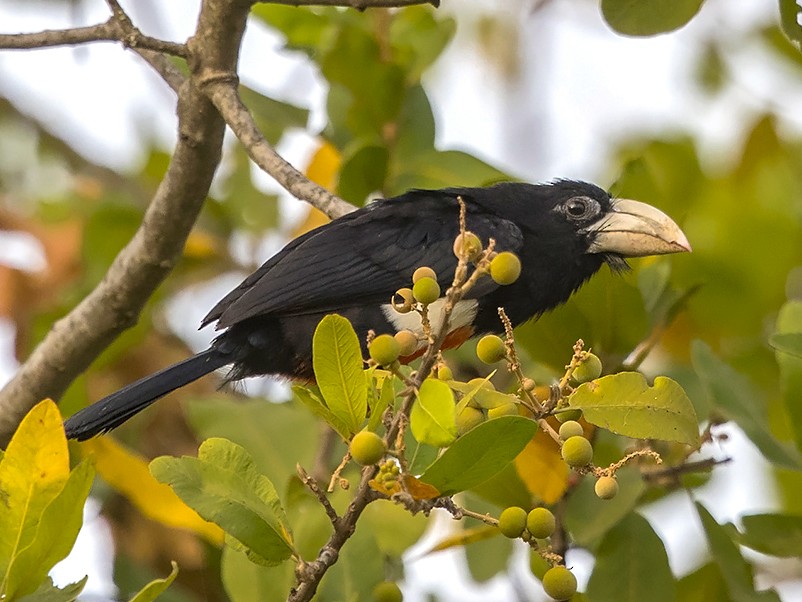
Black-breasted Barbet
Black-breasted Barbet
The Black-breasted Barbet: A Rare Jewel of African Avifauna
Introduction
Among the vibrant avian species that grace the African continent, the Black-breasted Barbet (Lybius rolleti) stands out as a captivating and elusive bird. With its striking plumage, distinctive vocalizations, and specialized ecological niche, this bird has intrigued ornithologists and birdwatchers alike. Native to the Sahel and savanna regions of Central Africa, the Black-breasted Barbet is not just a visual marvel but also a vital component of its ecosystem.
In this comprehensive guide, we will delve into the fascinating world of the Black-breasted Barbet, exploring its taxonomy, habitat, behavior, diet, conservation status, and its role in the broader ecological tapestry.
Taxonomy and Classification
The Black-breasted Barbet belongs to the family Lybiidae, which includes African barbets known for their stout bills and vibrant coloration. The scientific name Lybius rolleti honors the French explorer and naturalist Jules Rollet.
Taxonomic Hierarchy:
- Kingdom: Animalia
- Phylum: Chordata
- Class: Aves
- Order: Piciformes
- Family: Lybiidae
- Genus: Lybius
- Species: Lybius rolleti
This species is often confused with other members of the Lybius genus due to overlapping ranges and similar features. However, its distinctive black breast and red crown make it unmistakable upon close observation.
Physical Description
The Black-breasted Barbet is a medium-sized bird, typically measuring between 20 to 24 cm in length. Its most defining feature is the black patch across its breast, which contrasts vividly with its red crown and yellow underparts.
Key Identification Features:
- Crown: Bright crimson red
- Breast: Deep black, giving the species its common name
- Underparts: Pale yellow to cream
- Back and Wings: Olive to dark green
- Bill: Thick, ivory-colored with a slight hook
- Eyes: Dark brown, set against a white facial patch
This bird’s plumage is not only visually striking but also serves as a form of communication and camouflage within its environment.
Habitat and Geographic Distribution
The Black-breasted Barbet is predominantly found in the savanna and woodland regions of Central Africa. Its range extends across countries such as:
- Sudan
- Chad
- Central African Republic
- Northern Cameroon
- Southwestern Ethiopia
Preferred Habitats:
- Open woodlands
- Gallery forests near water bodies
- Acacia-dominated savannas
- Transitional zones between dry and moist forests
This bird is highly territorial and often occupies the same nesting and feeding grounds year after year. Its presence is often an indicator of a healthy, biodiverse environment.
Behavior and Social Structure
The Black-breasted Barbet is known for its solitary or paired lifestyle, although small family groups may form during the breeding season. It is a diurnal species, most active during the early morning and late afternoon.
Notable Behaviors:
- Vocalizations: Loud, repetitive calls used for territory marking and mate attraction
- Perching: Often seen perched upright on exposed branches
- Territoriality: Males aggressively defend their territory from intruders
- Flight: Short, undulating flights between trees
These birds are also known for their duetting behavior, where mated pairs sing in synchrony—a fascinating form of acoustic bonding.
Diet and Foraging Habits
As a frugivore-insectivore, the Black-breasted Barbet plays a crucial role in seed dispersal and insect population control.
Primary Food Sources:
- Fruits: Figs, berries, and other soft fruits
- Insects: Beetles, ants, termites, and caterpillars
- Nectar: Occasionally feeds on nectar from flowering plants
- Small vertebrates: Rarely, small lizards or frogs
Foraging Techniques:
- Gleaning: Picking insects from bark and leaves
- Hovering: Briefly hovering to pluck fruit
- Probing: Using its bill to extract insects from crevices
This bird’s dietary flexibility allows it to thrive in a variety of habitats, although it is most abundant in areas with plentiful fruiting trees.
Breeding and Nesting
The breeding season of the Black-breasted Barbet varies geographically but generally coincides with the onset of the rainy season, when food is abundant.
Breeding Characteristics:
- Monogamous pairs
- Nesting sites: Tree cavities, often excavated by the birds themselves or reused from other species
- Clutch size: 2–4 eggs
- Incubation period: Approximately 13–15 days
- Fledging: Chicks leave the nest after 25–30 days
Both parents participate in incubation and feeding, showcasing a high level of parental investment uncommon among many bird species.
Conservation Status
According to the IUCN Red List, the Black-breasted Barbet is currently listed as Least Concern. However, its population is believed to be declining due to habitat loss and fragmentation.
Threats to Survival:
- Deforestation for agriculture and charcoal production
- Climate change affecting rainfall patterns and food availability
- Hunting and trapping in some regions
- Pesticide use reducing insect prey
Conservation Measures:
- Habitat protection through national parks and reserves
- Community education on the ecological value of barbets
- Research initiatives to monitor population trends
- Sustainable land use practices
Continued conservation efforts are essential to ensure the long-term survival of this unique species.
Ecological Importance
The Black-breasted Barbet plays a pivotal role in its ecosystem as both a seed disperser and insect predator. Its feeding habits contribute to:
- Forest regeneration through seed dispersal
- Pollination of certain flowering plants
- Pest control by consuming harmful insects
- Food web stability, serving as prey for raptors and snakes
Its presence is a strong indicator of ecosystem health, making it a valuable species for ecological monitoring.
Cultural Significance
In some African cultures, the Black-breasted Barbet is considered a symbol of vitality and renewal, often associated with the rainy season and agricultural fertility. Its vibrant colors and melodic calls have inspired local folklore and traditional art.
Birdwatching and Ecotourism
The rarity and beauty of the Black-breasted Barbet make it a sought-after species for birdwatchers and ecotourists. Countries like Chad and Sudan are emerging as hotspots for avian tourism, offering guided tours and conservation-based experiences.
Tips for Spotting the Black-breasted Barbet:
- Visit during the breeding season (rainy months)
- Look for fruiting trees in open woodlands
- Listen for duet calls in the early morning
- Use binoculars and field guides specific to Central African birds
Ecotourism not only supports local economies but also promotes the conservation of this and other rare species.
Frequently Asked Questions (FAQ)
1. Where can I see the Black-breasted Barbet in the wild?
You can spot the Black-breasted Barbet in Central African countries such as Chad, Sudan, and Cameroon, particularly in savanna woodlands and gallery forests.
2. Is the Black-breasted Barbet endangered?
No, it is currently listed as Least Concern by the IUCN Red List, but its population is declining due to habitat destruction and other human activities.
3. What does the Black-breasted Barbet eat?
Its diet includes fruits, insects, nectar, and occasionally small vertebrates. It plays a key role in seed dispersal and insect control.
4. How does the Black-breasted Barbet communicate?
It uses loud, repetitive calls and duets between mated pairs to communicate, especially during the breeding season.
5. Why is the Black-breasted Barbet important to the ecosystem?
It contributes to forest regeneration, pollination, and pest control, making it a vital component of its native habitat.
Conclusion
The Black-breasted Barbet is more than just a beautiful bird—it is a keystone species that reflects the health of its ecosystem. As we continue to explore and appreciate the natural world, understanding and protecting such species becomes increasingly vital. Whether you’re a seasoned ornithologist or a curious traveler, the story of the Black-breasted Barbet offers a window into the rich biodiversity of Africa and the delicate balance that sustains it.