
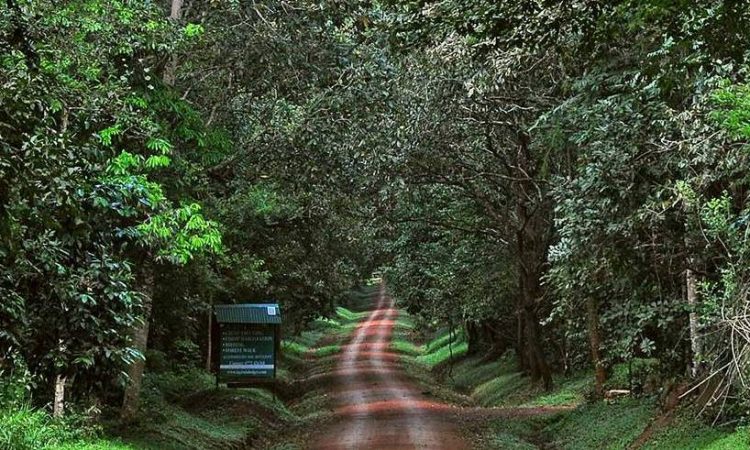
Budongo Forest Reserve
Budongo Forest Reserve
Budongo Forest Reserve: A Hidden Gem of Biodiversity in Uganda
Introduction
Nestled in the northwestern region of Uganda, the Budongo Forest Reserve is a captivating expanse of tropical rainforest, teeming with life and ecological significance. As part of the larger Murchison Falls Conservation Area, this forest is a sanctuary for diverse flora and fauna, including one of the largest populations of chimpanzees in East Africa. Beyond its ecological importance, Budongo is a vital resource for scientific research, eco-tourism, and sustainable development.
In this comprehensive guide, we’ll delve into the rich biodiversity, ecological significance, conservation efforts, and tourism potential of the Budongo Forest Reserve. Whether you’re a nature enthusiast, conservationist, or traveler seeking an off-the-beaten-path adventure, this article will provide an in-depth look at one of Uganda’s most treasured natural landscapes.
Location and Geography
The Budongo Forest Reserve is located in the Masindi District of western Uganda, approximately 3.5 hours from the capital city, Kampala. Covering an area of about 825 square kilometers, it lies within the Albertine Rift Valley and is part of the greater Murchison Falls National Park.
Key Geographical Features:
- Elevation ranges from 700 to 1,100 meters above sea level
- Composed of moist, semi-deciduous tropical rainforest
- Bordered by the escarpments of the Rift Valley and Lake Albert
- Drained by several rivers, including the Sonso and Waisoke
This unique location fosters a rich diversity of ecosystems, making Budongo one of the most ecologically important forests in East Africa.
Flora and Fauna
The biodiversity of Budongo Forest is nothing short of astonishing. It is home to over 465 species of trees, 360 species of birds, 289 species of butterflies, and 130 species of moths. The forest’s dense vegetation and varied habitats support a wide range of wildlife, both endemic and migratory.
Notable Tree Species:
- Mahogany (Khaya anthotheca) – Some of the largest in East Africa
- Ironwood (Cynometra alexandri) – Dominant in the forest canopy
- Ficus spp. – Provide food for primates and birds
Mammals:
- Chimpanzees (Pan troglodytes)
- Blue monkeys
- Red-tailed monkeys
- Olive baboons
- Bushbucks
- Forest buffalo
Birds:
- Puvel’s illadopsis – A rare species endemic to Budongo
- African dwarf kingfisher
- Chocolate-backed kingfisher
- White-thighed hornbill
This incredible diversity makes Budongo a hotspot for birdwatchers, botanists, and wildlife researchers.
Chimpanzee Tracking in Budongo
One of the main attractions of the Budongo Forest Reserve is its chimpanzee tracking experience. The forest is home to over 600 chimpanzees, with a habituated group in the Kaniyo Pabidi area available for eco-tourism and research.
What to Expect:
- Guided treks with experienced trackers
- Observation of chimpanzees in their natural habitat
- Learning about chimpanzee behavior, diet, and social structure
Tips for Chimpanzee Tracking:
- Wear long sleeves and pants to protect against insects
- Bring binoculars and a camera with a zoom lens
- Be prepared for moderate hiking through dense forest
Chimpanzee tracking in Budongo offers a more intimate and less crowded experience compared to other locations like Kibale Forest, making it ideal for travelers seeking authenticity and tranquility.
Ecological Importance
The Budongo Forest plays a critical role in the ecological stability of the region. As a carbon sink, it helps mitigate climate change by absorbing large amounts of CO₂. Its rivers and wetlands regulate water flow and prevent soil erosion, while its biodiversity supports ecological balance.
Ecosystem Services:
- Carbon sequestration
- Water purification
- Soil fertility enhancement
- Pollination and seed dispersal
Moreover, the forest serves as a genetic reservoir for many endangered species, making its conservation vital for global biodiversity.
Conservation Challenges and Efforts
Despite its ecological value, Budongo Forest faces numerous threats, including:
- Illegal logging
- Agricultural encroachment
- Poaching
- Human-wildlife conflict
Conservation Initiatives:
- Budongo Conservation Field Station (BCFS) – A research and conservation center focused on primate studies and forest ecology
- Jane Goodall Institute – Supports chimpanzee conservation and community engagement
- Community-based forest management – Involving local communities in sustainable practices
These efforts aim to balance conservation with the needs of local populations, ensuring that the forest remains a viable habitat for future generations.
Tourism and Activities
Budongo Forest is a haven for eco-tourists and adventure seekers. Beyond chimpanzee tracking, the reserve offers a range of activities that showcase its natural beauty.
Popular Activities:
- Birdwatching tours with expert guides
- Nature walks and forest hikes
- Photography safaris
- Cultural visits to nearby communities
- Tree identification and botanical tours
These activities are designed to be low-impact, promoting sustainable tourism that benefits both the environment and local economies.
How to Get There
Budongo Forest is accessible by road from major cities in Uganda.
Travel Options:
- From Kampala: 4-5 hours by car via Masindi
- From Entebbe International Airport: 6-7 hours by road
- From Murchison Falls National Park: 1-2 hours by road
Private vehicles or tour operators are recommended, as public transport options are limited.
Best Time to Visit
The best time to visit Budongo Forest is during the dry seasons, which occur from:
- December to February
- June to August
During these months, trails are more accessible, and wildlife sightings are more frequent. However, the forest remains lush and vibrant year-round, offering unique experiences in every season.
Accommodations Near Budongo
There are several eco-lodges and guesthouses near the forest that cater to different budgets.
Recommended Lodges:
- Budongo Eco Lodge – Located within the forest, ideal for chimpanzee tracking
- Masindi Hotel – Historic hotel with modern amenities
- Kabalega Resort – Mid-range option with scenic views
- Red Chilli Rest Camp – Budget-friendly accommodation near Murchison Falls
These lodges often offer guided tours and packages that include meals, park fees, and transportation.
Frequently Asked Questions
1. What makes Budongo Forest Reserve unique?
Budongo is one of the largest and most biodiverse tropical forests in Uganda. It is renowned for its chimpanzee population, rare tree species like mahogany, and its role in ecological research.
2. Is chimpanzee tracking safe?
Yes, chimpanzee tracking is safe when conducted with certified guides. Visitors are briefed on safety protocols and are required to maintain a respectful distance from the animals.
3. Do I need a permit for chimpanzee tracking?
Yes, a permit is required and can be obtained through the Uganda Wildlife Authority or authorized tour operators. It is advisable to book in advance, especially during peak seasons.
4. Can I visit Budongo Forest independently?
While independent travel is possible, it is recommended to go with a tour operator for ease of access, guided experiences, and logistical support.
5. What should I pack for a visit?
- Lightweight, long-sleeved clothing
- Insect repellent
- Sturdy hiking boots
- Binoculars and camera
- Reusable water bottle
Conclusion
The Budongo Forest Reserve is more than just a destination—it’s a living, breathing ecosystem that offers a glimpse into the natural wonders of Uganda. From its towering mahogany trees to its playful chimpanzees, Budongo is a testament to the beauty and complexity of tropical rainforests.
Whether you’re tracking primates, studying rare birds, or simply soaking in the serenity of the forest, a visit to Budongo is a transformative experience. As conservation efforts continue to protect this precious habitat, eco-tourism plays a crucial role in ensuring that Budongo remains a sanctuary for generations to come.
For those seeking an authentic, enriching, and sustainable adventure, Budongo Forest Reserve is a destination that truly delivers.