
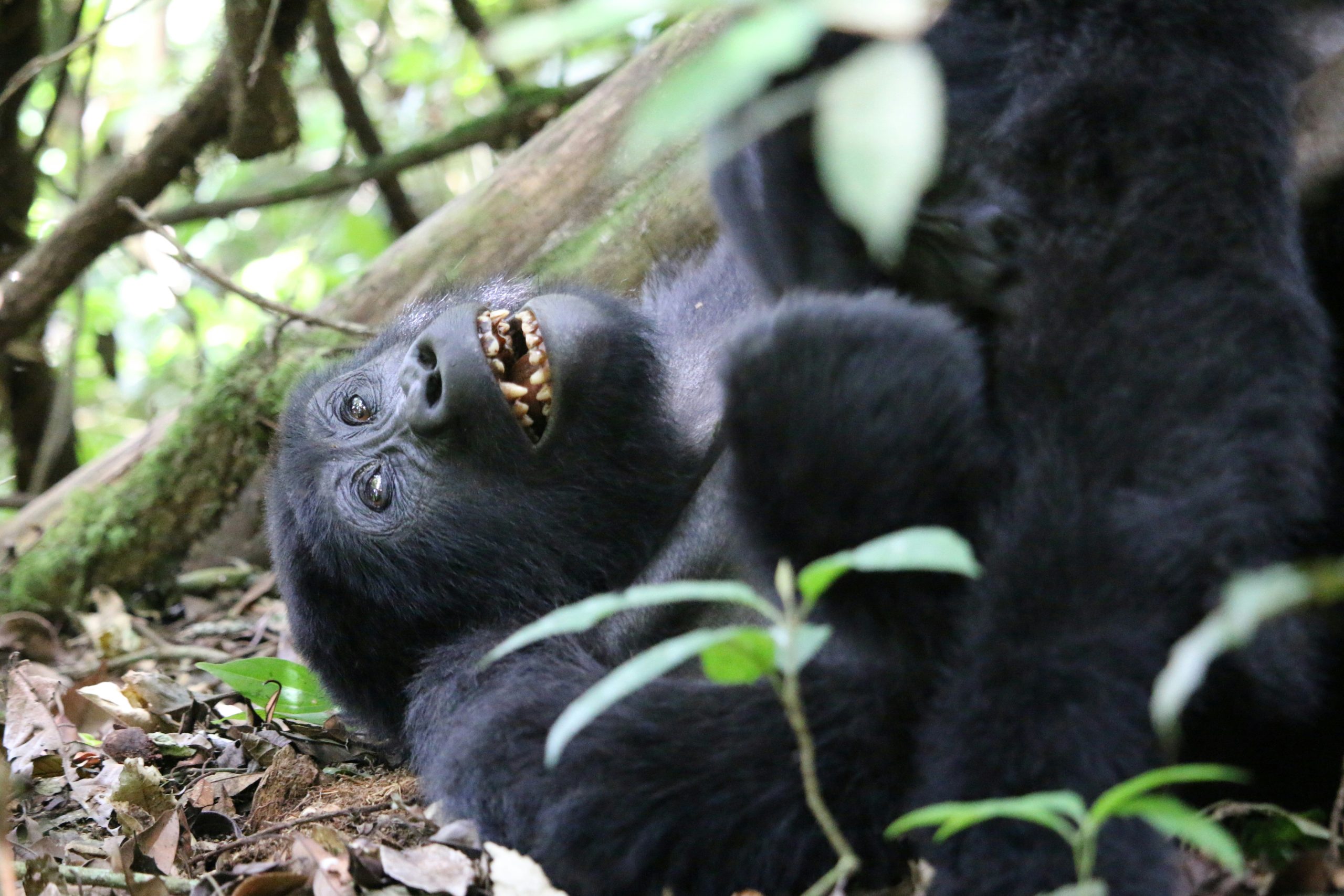
Bwindi Forest Hiking
Bwindi Forest Hiking
Ultimate Guide to Bwindi Forest Hiking: Explore the Heart of Uganda’s Wilderness
Introduction
Bwindi Impenetrable Forest, located in southwestern Uganda, is one of the most breathtaking natural wonders in Africa. Known for its dense vegetation, diverse wildlife, and world-famous mountain gorillas, this UNESCO World Heritage Site is a paradise for adventure seekers and nature lovers. Hiking in Bwindi Forest offers an unforgettable experience, combining challenging trails with awe-inspiring scenery and unparalleled wildlife encounters.
In this comprehensive guide, we will explore everything you need to know about Bwindi Forest hiking, from the best trails and essential gear to expert tips for an unforgettable adventure.
Why Hike in Bwindi Impenetrable Forest?
Hiking in Bwindi is not just about the physical challenge—it’s an opportunity to immerse yourself in one of the most biodiverse ecosystems on the planet. Here’s why you should consider this incredible adventure:
- Gorilla Trekking – Bwindi is home to nearly half of the world’s remaining mountain gorillas. A hike through the forest offers a rare chance to see these majestic creatures up close.
- Breathtaking Scenery – The forest is a mix of steep ridges, deep valleys, and lush greenery, offering stunning views at every turn.
- Rich Biodiversity – Apart from gorillas, the forest is home to over 120 mammal species, 350 bird species, and countless plant varieties.
- Cultural Encounters – Meet the indigenous Batwa people, who have lived in the forest for centuries and learn about their unique way of life.
- Adventure and Challenge – The rugged terrain and thick vegetation make hiking in Bwindi a thrilling experience for adventure lovers.
Best Hiking Trails in Bwindi Impenetrable Forest
Bwindi offers a variety of hiking trails, each with its own unique attractions. Here are some of the best routes:
1. Munyaga River Trail
- Difficulty Level: Easy
- Duration: 1-2 hours
- Highlights: Ideal for beginners, this trail offers a chance to see waterfalls, primates, and beautiful bird species.
2. Rushura Hill Trail
- Difficulty Level: Moderate
- Duration: 3-4 hours
- Highlights: Offers panoramic views of the Virunga Volcanoes, the Rwenzori Mountains, and even Lake Edward on a clear day.
3. Buhoma-Nkuringo Trail
- Difficulty Level: Challenging
- Duration: 4-5 hours
- Highlights: This trail connects the Buhoma and Nkuringo sectors, providing an opportunity to explore different parts of the forest.
4. Ivy River Trail
- Difficulty Level: Moderate
- Duration: 5-6 hours
- Highlights: A scenic route with great chances of spotting wildlife, including monkeys and forest elephants.
5. Habinyanja Trail
- Difficulty Level: Challenging
- Duration: 6 hours
- Highlights: Leads to the famous Habinyanja Swamp, home to a variety of bird species, including the African green broadbill.
Essential Gear for Bwindi Forest Hiking
To ensure a safe and enjoyable hike, it’s important to pack the right gear. Here’s a checklist of essentials:
Clothing:
- Lightweight, moisture-wicking clothing
- Long-sleeved shirts and pants to protect against insects
- Waterproof jacket (rain is common in Bwindi)
- Sturdy, waterproof hiking boots
Accessories:
- A good-quality backpack
- Binoculars for birdwatching
- Camera with extra batteries
- Sunglasses and a hat
Other Essentials:
- Insect repellent
- Sunscreen
- First aid kit
- Plenty of water and energy snacks
Best Time to Hike in Bwindi Forest
Bwindi Forest can be visited year-round, but the best time for hiking is during the dry seasons:
- June to August
- December to February
During these months, the trails are less muddy, making hiking easier and more enjoyable. However, since Bwindi is a rainforest, expect occasional showers even during the dry season.
Tips for a Successful Bwindi Hiking Experience
- Hire a Guide – Local guides are knowledgeable about the terrain and wildlife, ensuring a safer and more informative hike.
- Start Early – Mornings offer the best chances of spotting wildlife and avoiding afternoon rains.
- Stay Hydrated – The humid conditions can be exhausting, so drink plenty of water.
- Respect Wildlife – Maintain a safe distance from animals, especially gorillas, and follow park regulations.
- Be Physically Prepared – Some trails are steep and challenging, so engage in some fitness training before your trip.
Accommodation Options Near Bwindi Forest
There are several accommodation options near Bwindi, ranging from budget lodges to luxury resorts. Some top choices include:
- Budget: Buhoma Community Rest Camp
- Mid-Range: Gorilla Mist Camp
- Luxury: Sanctuary Gorilla Forest Camp
Frequently Asked Questions (FAQ)
1. Do I need a permit for hiking in Bwindi Forest?
Yes, if you are planning to do gorilla trekking, you need a permit from the Uganda Wildlife Authority. General hiking may not require a permit, but it’s best to check with park authorities.
2. How difficult is hiking in Bwindi?
Hiking difficulty varies depending on the trail. Some trails are easy, while others are steep and challenging. Proper preparation is essential.
3. Is Bwindi Forest safe for tourists?
Yes, Bwindi is a safe destination. However, always follow the guidance of park rangers and avoid hiking alone.
4. What wildlife can I see while hiking in Bwindi?
Apart from mountain gorillas, you may encounter chimpanzees, monkeys, forest elephants, and a variety of bird species.
5. Can I visit Bwindi Forest without doing gorilla trekking?
Absolutely! Bwindi offers numerous hiking trails, birdwatching opportunities, and cultural experiences beyond gorilla trekking.
Conclusion
Bwindi Forest hiking is an unforgettable adventure that offers a perfect blend of nature, wildlife, and cultural experiences. Whether you’re trekking to see mountain gorillas, exploring scenic trails, or immersing yourself in the rich biodiversity, Bwindi promises an experience like no other.
Prepare well, respect nature, and embark on a journey through one of Africa’s most incredible landscapes!