
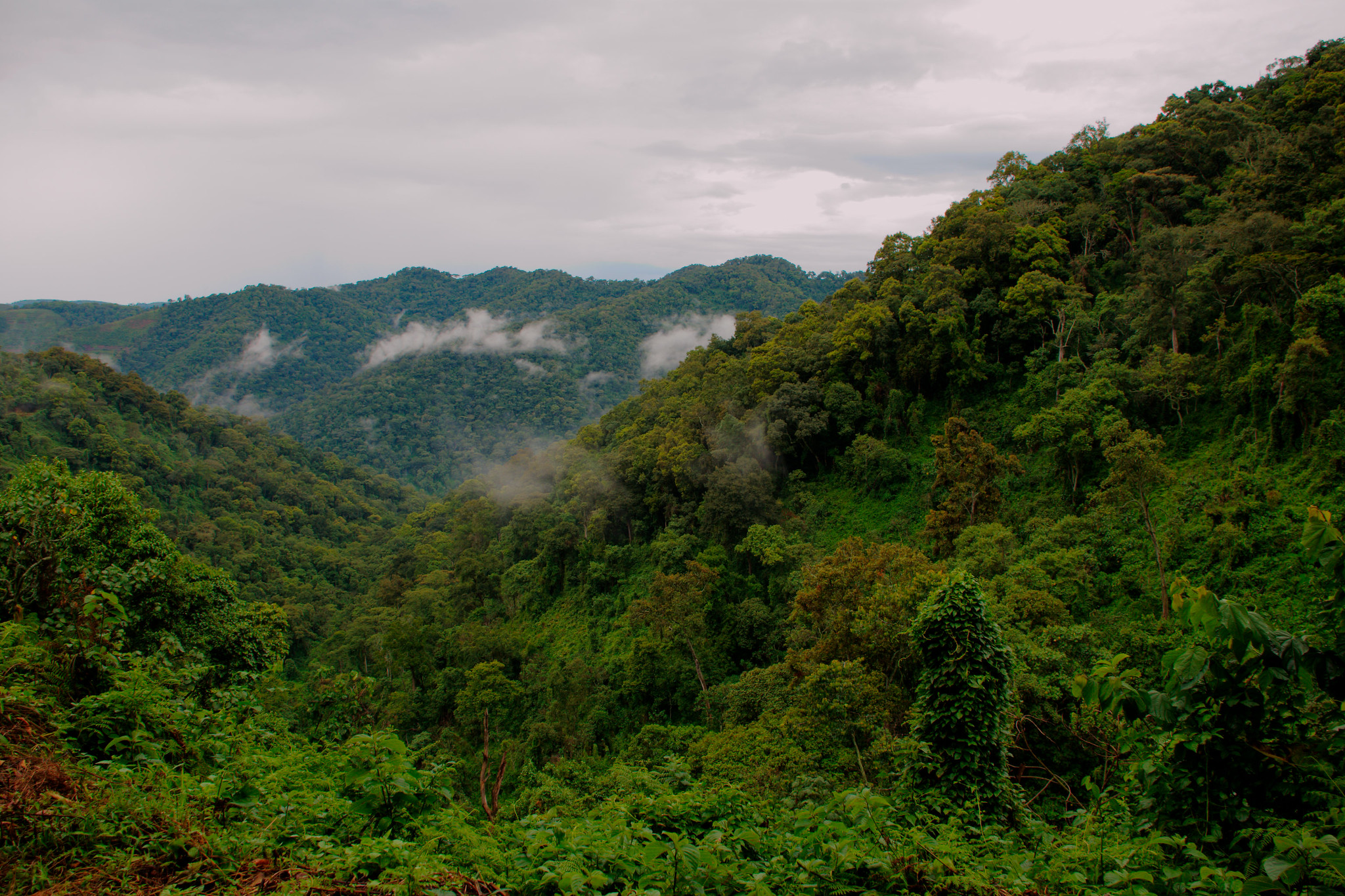
Bwindi Forest
Bwindi Forest
Bwindi Impenetrable Forest: A Hidden Gem of Biodiversity and Adventure
Introduction
Nestled in the southwestern region of Uganda, the Bwindi Impenetrable Forest stands as one of the most breathtaking and ecologically diverse rainforests in the world. This UNESCO World Heritage Site is home to nearly half of the world’s remaining mountain gorillas, making it one of the most sought-after destinations for wildlife enthusiasts and nature lovers.
With its dense vegetation, mist-covered hills, and rich biodiversity, Bwindi offers a unique experience for those seeking adventure, conservation efforts, and cultural immersion. In this comprehensive guide, we will explore the history, wildlife, trekking experiences, conservation efforts, and travel tips for visiting this pristine rainforest.
The History and Significance of Bwindi Impenetrable Forest
Bwindi Impenetrable National Park was established in 1991 and later designated as a UNESCO World Heritage Site in 1994 due to its exceptional biodiversity and ecological importance. The forest is believed to have existed for over 25,000 years, making it one of the oldest rainforests in Africa.
The name “Bwindi” translates to “darkness” in the local Runyakitara language, referring to the thick vegetation that makes it nearly impenetrable. The forest has long been home to the Batwa pygmies, an indigenous group that has lived in harmony with nature for centuries.
The Unique Biodiversity of Bwindi
Bwindi Impenetrable Forest is a biodiversity hotspot, hosting an incredible variety of flora and fauna. Some of the key species found in the park include:
1. Mountain Gorillas
Bwindi is home to over 460 mountain gorillas, nearly half of the world’s population. These majestic primates are the main attraction for visitors, with gorilla trekking being the highlight of any trip.
2. Other Mammals
Apart from gorillas, the forest is home to over 120 mammal species, including:
- Forest elephants
- Chimpanzees
- Black-and-white colobus monkeys
- L’Hoest’s monkeys
- Giant forest hogs
3. Bird Species
Bwindi is a paradise for bird watchers, boasting over 350 bird species, including:
- African green broadbill
- Shelley’s crimsonwing
- Rwenzori turaco
- Handsome francolin
4. Plant Life
The dense forest is covered with over 1,000 plant species, including ferns, vines, and towering trees, creating a lush and vibrant ecosystem.
Gorilla Trekking in Bwindi: A Once-in-a-Lifetime Experience
One of the main reasons travelers visit Bwindi Impenetrable Forest is for the unforgettable experience of gorilla trekking. This activity allows visitors to hike through the dense jungle in search of habituated gorilla families.
How to Prepare for Gorilla Trekking
Before embarking on a gorilla trek, here are some essential tips:
- Obtain a permit: A gorilla trekking permit costs around $700 for foreign visitors and must be booked in advance.
- Wear appropriate clothing: Long-sleeved shirts, waterproof jackets, and sturdy hiking boots are essential.
- Stay fit: The trek can be physically demanding, so good fitness levels are recommended.
- Follow park guidelines: Visitors must maintain a 7-meter distance from the gorillas to prevent disease transmission.
Best Time for Gorilla Trekking
The best time to visit Bwindi for gorilla trekking is during the dry seasons:
- June to August
- December to February
During these months, the trails are less muddy, making trekking easier.
Conservation Efforts in Bwindi
Due to the endangered status of mountain gorillas, several conservation initiatives have been implemented to protect them.
1. Gorilla Habituation Program
This program allows researchers and conservationists to gradually introduce gorillas to human presence, ensuring their safety and well-being.
2. Community Involvement
Local communities, including the Batwa pygmies, are actively involved in conservation efforts. Tourism revenue helps fund education, healthcare, and sustainable development projects.
3. Anti-Poaching Measures
Strict anti-poaching laws and ranger patrols have been enforced to protect wildlife from illegal activities.
Other Activities in Bwindi Impenetrable Forest
While gorilla trekking is the main attraction, Bwindi offers several other exciting activities:
1. Bird Watching
With over 350 bird species, Bwindi is a must-visit destination for bird enthusiasts. The Mubwindi Swamp Trail is one of the best spots for birdwatching.
2. Nature Walks and Hiking
Several hiking trails allow visitors to explore the forest’s beauty, including:
- Munyanga River Trail (Ideal for short walks)
- Rushura Hill Trail (Offers panoramic views of the Virunga Volcanoes)
- Ivy River Trail (A scenic route through the forest)
3. Cultural Encounters with the Batwa People
The Batwa pygmies, the original inhabitants of Bwindi, offer cultural experiences where visitors can learn about their traditional hunting techniques, music, and way of life.
Accommodation Options in Bwindi
Bwindi offers a range of accommodation options, from luxury lodges to budget-friendly campsites. Some popular choices include:
Luxury Lodges
- Sanctuary Gorilla Forest Camp
- Buhoma Lodge
- Clouds Mountain Gorilla Lodge
Mid-Range Lodges
- Silverback Lodge
- Engagi Lodge
- Mahogany Springs Lodge
Budget-Friendly Options
- Bwindi Backpackers Lodge
- Ride 4 a Woman Guesthouse
- Ruhija Gorilla Friends Resort
How to Get to Bwindi Impenetrable Forest
Bwindi can be accessed via air or road.
By Air
- Flights from Entebbe International Airport to Kihihi or Kisoro airstrips take about 1 hour.
- From the airstrip, a road transfer to Bwindi takes around 1-2 hours.
By Road
- A road trip from Kampala to Bwindi takes approximately 8-10 hours.
- The journey offers scenic views of rolling hills, tea plantations, and local villages.
Frequently Asked Questions (FAQ)
1. How difficult is gorilla trekking in Bwindi?
Gorilla trekking can be challenging, as it involves hiking through dense forests and steep terrain. However, porters are available to assist visitors.
2. Is gorilla trekking safe?
Yes, gorilla trekking is safe. Trained rangers and guides accompany visitors to ensure their safety.
3. What is the best time to visit Bwindi?
The best time to visit is during the dry seasons (June-August and December-February) for easier trekking conditions.
4. Do I need a visa to visit Uganda?
Yes, most travelers require a Uganda visa, which can be obtained online or upon arrival.
5. Can I take photos of the gorillas?
Yes, but flash photography is prohibited as it may disturb the gorillas.
Conclusion
Bwindi Impenetrable Forest is a remarkable destination that offers an unparalleled wildlife experience. Whether you’re trekking to see mountain gorillas, exploring the rich biodiversity, or engaging with the Batwa community, Bwindi promises an adventure like no other.
For those seeking a once-in-a-lifetime journey, Bwindi is a must-visit destination that combines nature, conservation, and cultural heritage in one breathtaking package.