
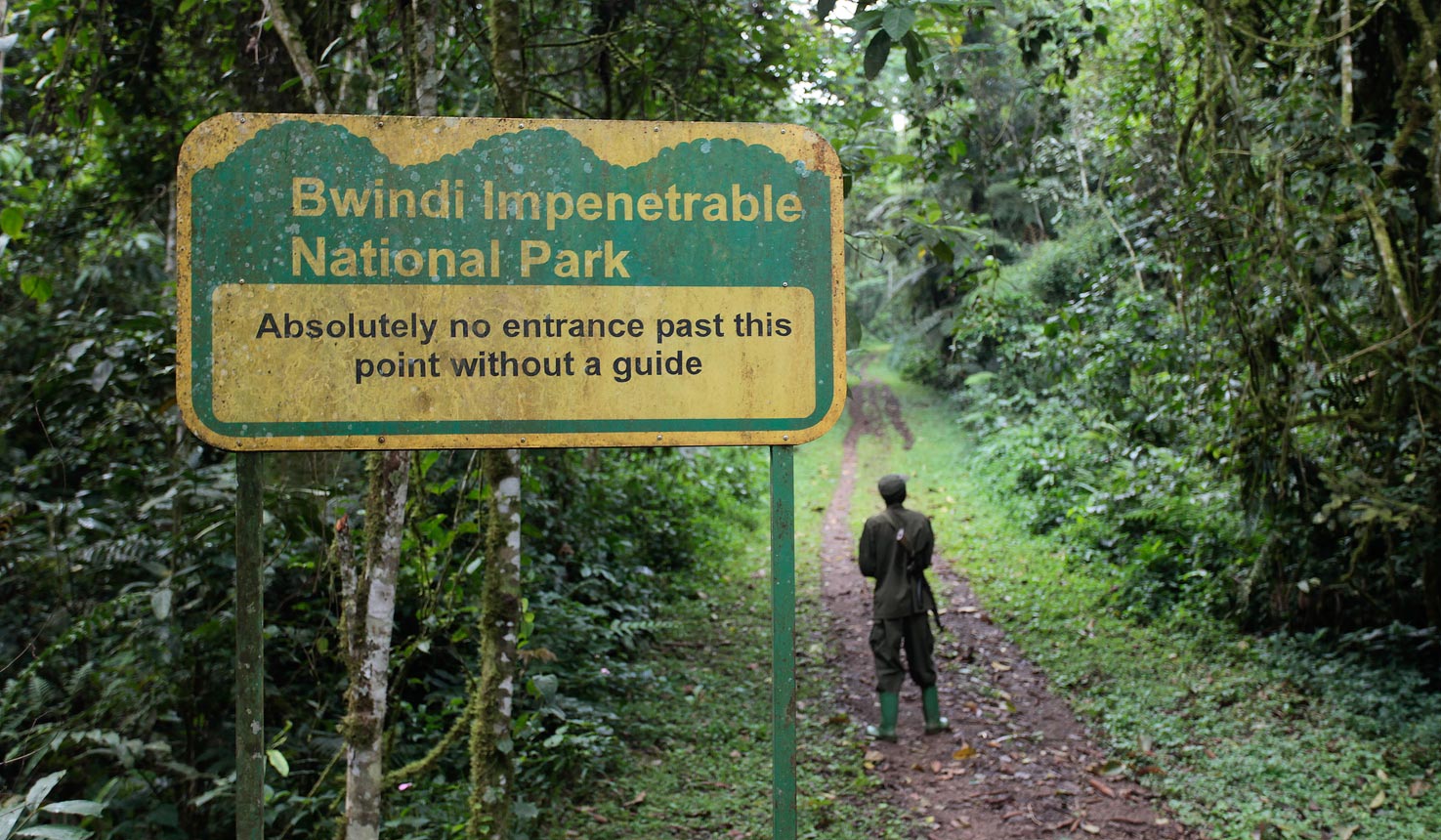
Bwindi Hiking
Bwindi Hiking
Bwindi Hiking: A Complete Guide to Exploring the Impenetrable Forest
Introduction
Nestled in the heart of Uganda, Bwindi Impenetrable National Park is a UNESCO World Heritage Site renowned for its breathtaking landscapes, diverse wildlife, and, most notably, its mountain gorillas. Hiking through this dense rainforest is a once-in-a-lifetime experience, offering adventurers a chance to explore one of the most biodiverse ecosystems on the planet.
In this comprehensive guide, we will cover everything you need to know about Bwindi hiking, from the best trails to the essential gear you should bring. Whether you’re a seasoned trekker or a first-time hiker, this article will help you plan an unforgettable journey through the Bwindi Impenetrable Forest.
Why Hike in Bwindi Impenetrable National Park?
Bwindi is not just any forest; it is a pristine wilderness teeming with rare flora and fauna. Here are some compelling reasons why you should consider hiking in Bwindi:
- Gorilla Trekking: Bwindi is home to nearly half of the world’s remaining mountain gorillas. A hike through the forest offers a rare opportunity to observe these majestic creatures in their natural habitat.
- Biodiversity: The forest boasts over 160 species of trees, 100 species of ferns, and more than 350 bird species, making it a paradise for nature lovers.
- Scenic Beauty: With its rolling hills, mist-covered valleys, and cascading waterfalls, Bwindi offers some of the most stunning landscapes in East Africa.
- Cultural Encounters: Hiking in Bwindi also provides a chance to interact with the Batwa pygmies, the indigenous people of the forest, who share fascinating stories about their traditional way of life.
Best Hiking Trails in Bwindi
Bwindi offers a variety of hiking trails, each with its own unique attractions. Here are some of the most popular ones:
1. The Buhoma-Nkuringo Trail
- Distance: 13 km
- Duration: 4-5 hours
- Difficulty: Moderate to difficult
- Highlights: This trail connects the Buhoma and Nkuringo sectors of the park, offering breathtaking views of the Virunga Volcanoes and the Albertine Rift Valley.
2. The Ivy River Trail
- Distance: 14 km
- Duration: 5-6 hours
- Difficulty: Moderate
- Highlights: This scenic trail follows the Ivy River, passing through lush vegetation and offering excellent birdwatching opportunities.
3. The Munyaga Waterfall Trail
- Distance: 3 km
- Duration: 1-2 hours
- Difficulty: Easy
- Highlights: Perfect for beginners, this short trail leads to the stunning Munyaga Waterfall, where hikers can enjoy the serene beauty of cascading waters.
4. The Rushura Hill Trail
- Distance: 6 km
- Duration: 3-4 hours
- Difficulty: Moderate
- Highlights: This trail offers panoramic views of Lake Edward, the Rwenzori Mountains, and even as far as Congo on a clear day.
5. The Habinyanja Trail
- Distance: 12 km
- Duration: 5-6 hours
- Difficulty: Moderate to difficult
- Highlights: This trail takes hikers through bamboo forests and offers a chance to spot black-and-white colobus monkeys and various bird species.
What to Pack for Bwindi Hiking
To ensure a comfortable and safe hiking experience, it’s essential to pack the right gear. Here’s a checklist of must-have items:
Clothing
✔ Lightweight, moisture-wicking clothing
✔ Long-sleeved shirts and trousers to protect against insects
✔ Waterproof jacket and pants (Bwindi is a rainforest, so expect rain)
✔ Sturdy, waterproof hiking boots
✔ A hat and sunglasses for sun protection
Gear & Accessories
✔ A high-quality backpack
✔ Binoculars for birdwatching
✔ A camera to capture the breathtaking scenery
✔ A walking stick for stability on steep trails
Health & Safety Essentials
✔ Insect repellent to ward off mosquitoes
✔ Sunscreen with high SPF
✔ First aid kit with basic medications
✔ Plenty of drinking water and energy snacks
Best Time to Hike in Bwindi
Bwindi can be visited year-round, but the best time for hiking is during the dry seasons, which occur from:
- June to August
- December to February
During these months, the trails are less muddy, making hiking easier and more enjoyable. However, if you don’t mind a bit of rain, the wet seasons (March-May and September-November) offer lush greenery and fewer crowds.
Wildlife Encounters in Bwindi
Hiking in Bwindi is not just about the trails; it’s also about the incredible wildlife you’ll encounter along the way. Some of the animals you might see include:
- Mountain Gorillas 🦍
- Chimpanzees
- Forest Elephants
- Bushbucks
- Giant Forest Hogs
- Over 350 Bird Species including the African Green Broadbill
For a truly immersive experience, consider joining a gorilla trekking tour, where you’ll have the chance to observe these gentle giants up close.
Where to Stay in Bwindi
Bwindi offers a range of accommodation options, from budget-friendly lodges to luxury eco-resorts. Some top recommendations include:
Luxury Lodges
- Sanctuary Gorilla Forest Camp
- Clouds Mountain Gorilla Lodge
Mid-Range Lodges
- Buhoma Lodge
- Nkuringo Bwindi Gorilla Lodge
Budget Options
- Bwindi Backpackers Lodge
- Ruhija Gorilla Friends Resort
Most lodges offer guided hikes, cultural experiences, and stunning views of the forest.
FAQs About Bwindi Hiking
1. How difficult is hiking in Bwindi?
Hiking in Bwindi varies in difficulty depending on the trail. Some trails, like the Munyaga Waterfall Trail, are easy, while others, like the Buhoma-Nkuringo Trail, require endurance and stamina.
2. Do I need a permit for hiking in Bwindi?
For general hiking, no permit is required. However, if you plan to do gorilla trekking, you’ll need a gorilla permit, which costs around $700 per person.
3. Is it safe to hike in Bwindi?
Yes, Bwindi is safe for hikers. The park is well-regulated, and all hikes are guided by experienced rangers who ensure the safety of visitors.
4. What is the best time to see gorillas in Bwindi?
The best time for gorilla trekking is during the dry seasons (June-August and December-February) when the trails are more accessible.
5. Can I hike in Bwindi without a guide?
No, all hikes in Bwindi must be accompanied by a licensed guide for safety reasons and to enhance the experience with expert knowledge about the flora and fauna.
Conclusion
Hiking in Bwindi Impenetrable National Park is an extraordinary adventure that combines breathtaking landscapes, rich biodiversity, and unforgettable wildlife encounters. Whether you’re trekking through dense forests, spotting rare birds, or coming face-to-face with mountain gorillas, every moment in Bwindi is magical.
So, pack your bags, lace up your hiking boots, and get ready for an unforgettable journey through one of Africa’s most spectacular rainforests!