
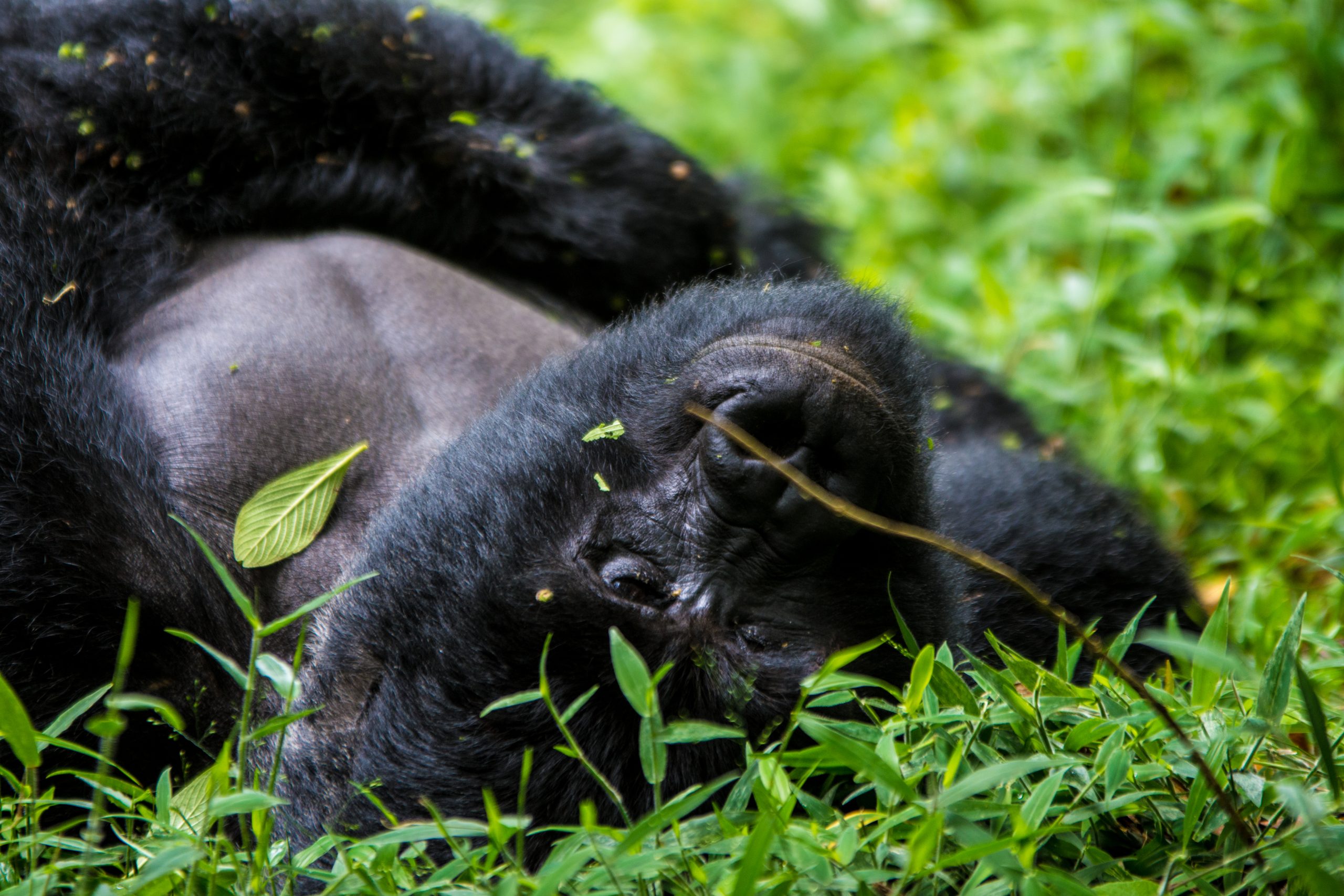
Can I take Photos During Gorilla Trekking
Can I take Photos During Gorilla Trekking
Can You Take Photos During Gorilla Trekking? (Rules, Tips, and Ethical Guidance)
Yes, you can take photos during gorilla trekking, and it’s one of the most memorable parts of the experience. However, photography is regulated to protect the gorillas and ensure trekkers stay safe. Below are the key rules, practical photo tips, and ethical guidelines to help you capture great images without disturbing wildlife.
Gorilla Trekking Photography: What’s Allowed?
In most gorilla trekking destinations (notably Uganda, Rwanda, and DR Congo), visitors are permitted to take photographs during the one-hour gorilla encounter. Your guide and rangers will brief you on what is acceptable before you approach the gorilla family.
To plan your trip logistics and understand what to expect, you can also explore reputable safari operators such as Turkana Wildlife Safaris.
Key Rules for Taking Photos During Gorilla Trekking
1) Flash photography is not allowed
Using flash can startle gorillas and increase stress levels. Keep your flash switched off before the encounter begins.
2) Maintain the required distance (usually 7 meters)
Even when trying to frame the perfect shot, you must keep the minimum distance. Sometimes gorillas move closer on their own—your guide will instruct you how to respond calmly.
3) Keep movements slow and quiet
Quick movements to “catch the moment” can be interpreted as threatening. Move gently, shoot patiently.
4) Follow ranger instructions at all times
Rangers manage the group’s position and behavior to protect both gorillas and visitors. If they ask you to stop moving, lower your camera, or step back do it immediately.
5) Limit time and respect the encounter
The standard viewing window is strictly controlled (often 1 hour) to reduce prolonged disturbance.
For safari planning and region-specific guidance, you may find helpful trip context on Turkana Wildlife Safaris’ website.
Best Camera Settings & Gear for Gorilla Trekking
Recommended gear
- A camera with good low-light performance (forest light can be dim)
- A fast lens (e.g., f/2.8–f/4 if possible)
- A mid-range zoom (e.g., 24–70mm) and/or telephoto (e.g., 70–200mm)
- Spare batteries (humidity and long treks drain power)
- Rain cover / dry bag to protect gear from mist and rain
Practical settings (general starting points)
- ISO: 800–3200 (depending on light)
- Shutter speed: 1/250–1/500 (higher if gorillas are moving)
- Aperture: f/2.8–f/5.6
- Mode: Aperture Priority or Manual if you’re comfortable
- Focus: Continuous AF; single-point focus for eyes
Phone photography
Phones can work, especially newer models with strong stabilization and low-light modes but you’ll still need to:
- Disable flash
- Avoid sudden movements
- Keep the phone secure (grip/strap), as terrain is often slippery
Ethical Photo Tips (So You Don’t Disrupt the Gorillas)
- Don’t push forward for a “closer” shot. Let the moment come to you.
- Avoid imitating gorilla sounds or gestures for reactions.
- Never use drones (typically prohibited in protected areas).
- Respect sick protocols (some parks may restrict participation if you’re unwell to prevent disease transmission).
If you’re building a full itinerary that includes trekking and other wildlife experiences, you can start with an operator overview like Turkana Wildlife Safaris and then confirm specific park rules with your guide.
Quick Checklist Before You Meet the Gorillas
- Flash: OFF
- Camera strap: ON
- Lens hood: ON (helps with contrast and light rain)
- Sounds: Silent mode
- Distance: Maintain 7m
- Listen: Follow ranger instructions
FAQ (5 Questions)
1) Can I use flash for gorilla photos?
No. Flash photography is not allowed because it can stress or startle gorillas.
2) How close can I get to take photos?
Typically you must keep at least 7 meters away. Your guide will enforce this distance.
3) Is a phone camera enough for gorilla trekking photos?
It can be, especially in good light, but a camera with better low-light capability will usually produce sharper results in the forest.
4) What lens is best for gorilla trekking?
A 70–200mm is a strong choice for detail while maintaining distance; a 24–70mm helps for closer scenes and environmental portraits.
5) Where can I plan a gorilla trekking safari with professional guidance?
You can explore safari options and trip planning resources via Turkana Wildlife Safaris, then confirm exact photography rules based on your trekking destination.