
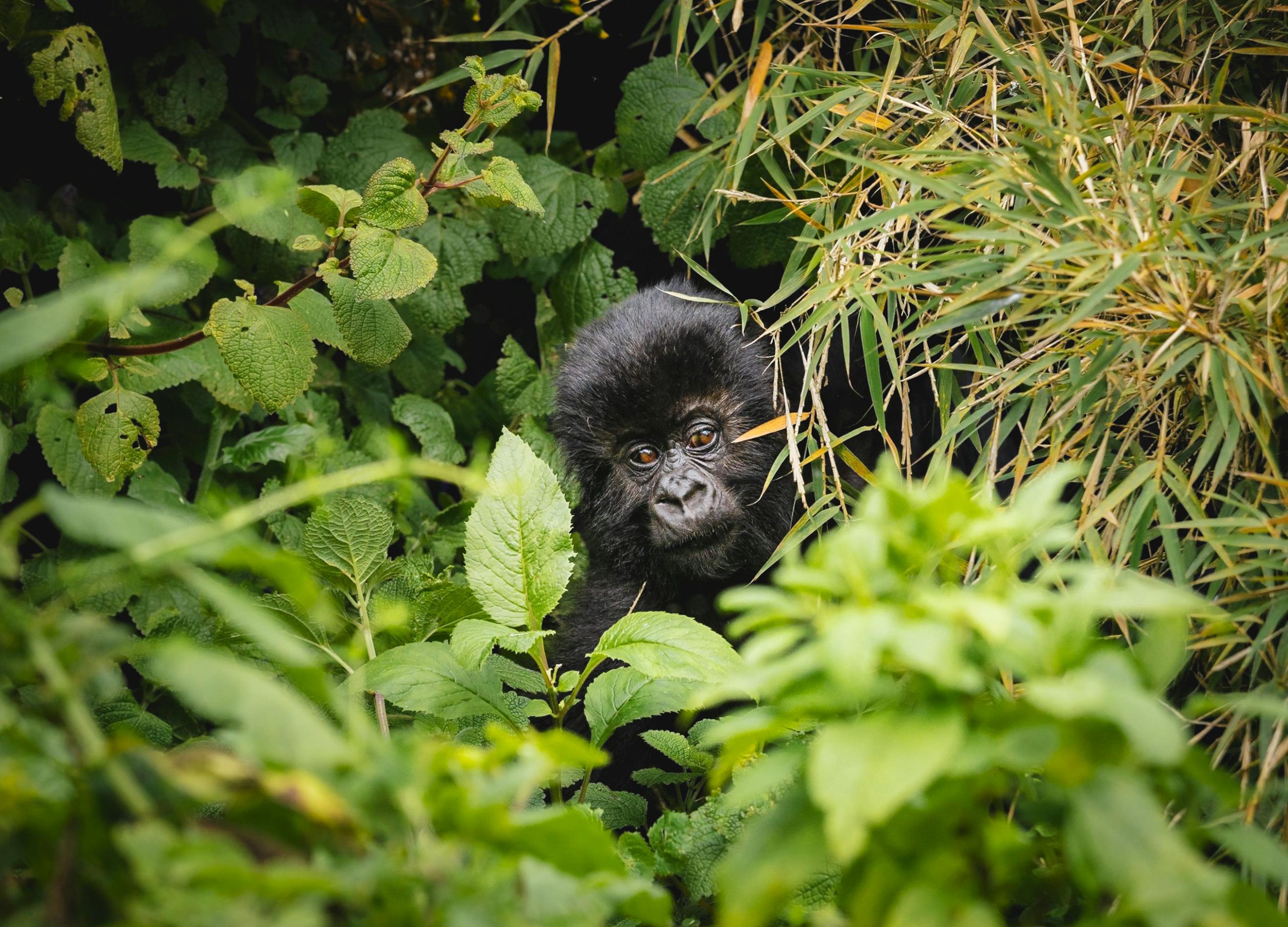
Can You Take Photos on Gorilla Trekking
Can You Take Photos on Gorilla Trekking
Can You Take Photos on Gorilla Trekking? A Complete Guide for Wildlife Enthusiasts
Gorilla trekking is one of the most awe-inspiring wildlife experiences on Earth. Venturing deep into the misty jungles of Central and East Africa to witness the majestic mountain gorillas in their natural habitat is a dream for many adventurers and nature lovers. But one question often arises for those preparing for this once-in-a-lifetime journey: Can you take photos on gorilla trekking?
The short answer is yes, you can take photos during your gorilla trekking experience. However, there are important guidelines, ethical considerations, and technical tips you must follow to ensure the safety of the gorillas, the quality of your photos, and the preservation of this incredible experience for future generations.
In this comprehensive guide, we’ll explore everything you need to know about photographing gorillas during a trek, from equipment recommendations to ethical practices and expert photography tips.
📸 Is Photography Allowed During Gorilla Trekking?
Yes, photography is allowed—and even encouraged—during gorilla trekking. Capturing the moment when you lock eyes with a silverback or watch a baby gorilla play is a powerful way to preserve your memories and share the experience with others.
However, there are strict rules in place to protect the gorillas and ensure a respectful interaction. These rules are enforced by park rangers and guides in countries like Uganda, Rwanda, and the Democratic Republic of Congo, where gorilla trekking is most popular.
🛡️ Rules and Guidelines for Taking Photos During Gorilla Trekking
To protect both the gorillas and trekkers, the following rules apply:
- No flash photography: Flash can startle gorillas and may provoke aggression or stress. Always disable your camera’s flash.
- Maintain a safe distance: You must stay at least 7 meters (about 23 feet) away from the gorillas. This minimizes the risk of disease transmission and respects their space.
- Limit your time: Visitors are allowed only one hour with the gorillas to minimize human impact.
- Stay quiet and calm: Sudden movements or loud noises can disturb the gorillas and ruin the experience for others.
- Follow your guide’s instructions: Park rangers are trained to ensure your safety and the well-being of the gorillas. Always listen to their advice.
For more on gorilla trekking regulations, visit the official websites of Uganda Wildlife Authority, Rwanda Development Board, or Virunga National Park.
📷 Best Photography Equipment for Gorilla Trekking
Choosing the right gear is essential for capturing high-quality images in the dense, low-light conditions of the rainforest.
Recommended Camera Types
- DSLR or mirrorless cameras: Ideal for professional-quality images. Look for models with good low-light performance.
- Bridge cameras: A good middle-ground option with powerful zoom and manual settings.
- Compact cameras: Lightweight and easy to carry, but may struggle in low light.
- Smartphones: Modern smartphones can take surprisingly good photos, especially with manual camera apps.
Essential Accessories
- Telephoto lens (70–200mm or longer): Allows you to zoom in without getting too close.
- Rain cover or waterproof bag: The rainforest is humid and often rainy.
- Extra batteries and memory cards: You’ll be far from charging stations.
- Lens cloths: For wiping off mist and moisture.
🌿 Ethical Considerations When Photographing Gorillas
While it’s tempting to get the perfect shot, it’s crucial to prioritize the welfare of the gorillas over your photography goals.
Key Ethical Practices
- Avoid disturbing natural behavior: Don’t try to provoke a reaction for a better photo.
- Don’t use bait or sounds: These tactics are unethical and could endanger the animals.
- Respect other trekkers: Everyone deserves a chance to enjoy the experience.
- Share responsibly: When posting on social media, avoid geotagging exact locations to prevent over-tourism or poaching risks.
🌍 Where to Go Gorilla Trekking and Take Stunning Photos
Gorilla trekking is available in only a few select locations in Africa, each offering unique photographic opportunities.
Top Gorilla Trekking Destinations
- Bwindi Impenetrable Forest (Uganda)
Known for its dense vegetation and high biodiversity. A haven for photographers seeking dramatic jungle shots. - Volcanoes National Park (Rwanda)
Offers easier trekking conditions and more open terrain for clearer photos. - Virunga National Park (DRC)
Africa’s oldest national park, with raw, untouched landscapes and fewer tourists.
Each destination requires a permit, which can range from $400 to $1,500 depending on the country and season. Learn more about permits and booking through trusted tour operators like Gorilla Trek Africa or Africa Adventure Safaris.
🧭 Tips for Capturing the Best Gorilla Photos
Before the Trek
- Practice with your camera: Know your settings and how to adjust them quickly.
- Set your ISO high: Jungle conditions are dim; ISO 800–1600 is a good starting point.
- Use a fast shutter speed: Gorillas move quickly. Aim for 1/250s or faster.
During the Trek
- Shoot in burst mode: Capture multiple frames to increase your chances of a good shot.
- Focus on the eyes: Eyes convey emotion and create powerful images.
- Use natural framing: Incorporate vines, leaves, and trees to add depth.
After the Trek
- Edit with care: Enhance contrast and sharpness, but avoid over-processing.
- Back up your files: Save your photos to multiple devices or cloud storage.
🧳 Packing List for Gorilla Photography
Here’s a quick checklist to help you prepare:
- ✅ Camera and lenses
- ✅ Extra batteries and memory cards
- ✅ Rain cover for camera
- ✅ Waterproof backpack
- ✅ Lens cleaning kit
- ✅ Lightweight tripod or monopod (optional)
- ✅ Binoculars (for spotting gorillas before photographing)
🧠 Frequently Asked Questions (FAQ)
1. Can I use a flash when taking photos of gorillas?
No. Flash photography is strictly prohibited during gorilla trekking. It can disturb or agitate the gorillas and may result in penalties or being asked to stop photographing altogether.
2. What kind of camera is best for gorilla trekking?
A DSLR or mirrorless camera with a good telephoto lens is ideal. However, high-end compact cameras or smartphones with manual settings can also perform well if used correctly.
3. How close can I get to the gorillas?
You must stay at least 7 meters (23 feet) away from the gorillas at all times. This is to protect both you and the animals from potential disease transmission and stress.
4. Are there any photography restrictions in gorilla parks?
Yes. In addition to the no-flash rule, you must follow all instructions from your guide, avoid loud noises, and never attempt to touch or feed the gorillas.
5. Can I bring a tripod or monopod?
Tripods are generally discouraged due to the rugged terrain and limited space. A monopod may be allowed, but check with your tour operator or park authority in advance.
🧭 Final Thoughts: Capturing the Magic of Gorilla Trekking
Gorilla trekking is a rare and transformative experience that deserves to be documented—but always with respect and care. By following the rules, using the right gear, and embracing ethical photography practices, you can return home with breathtaking images and a heart full of unforgettable memories.
Whether you’re a seasoned wildlife photographer or a passionate traveler with a smartphone, the opportunity to photograph mountain gorillas in the wild is a privilege. Use it wisely, and let your photos tell a story that inspires conservation and awe.