
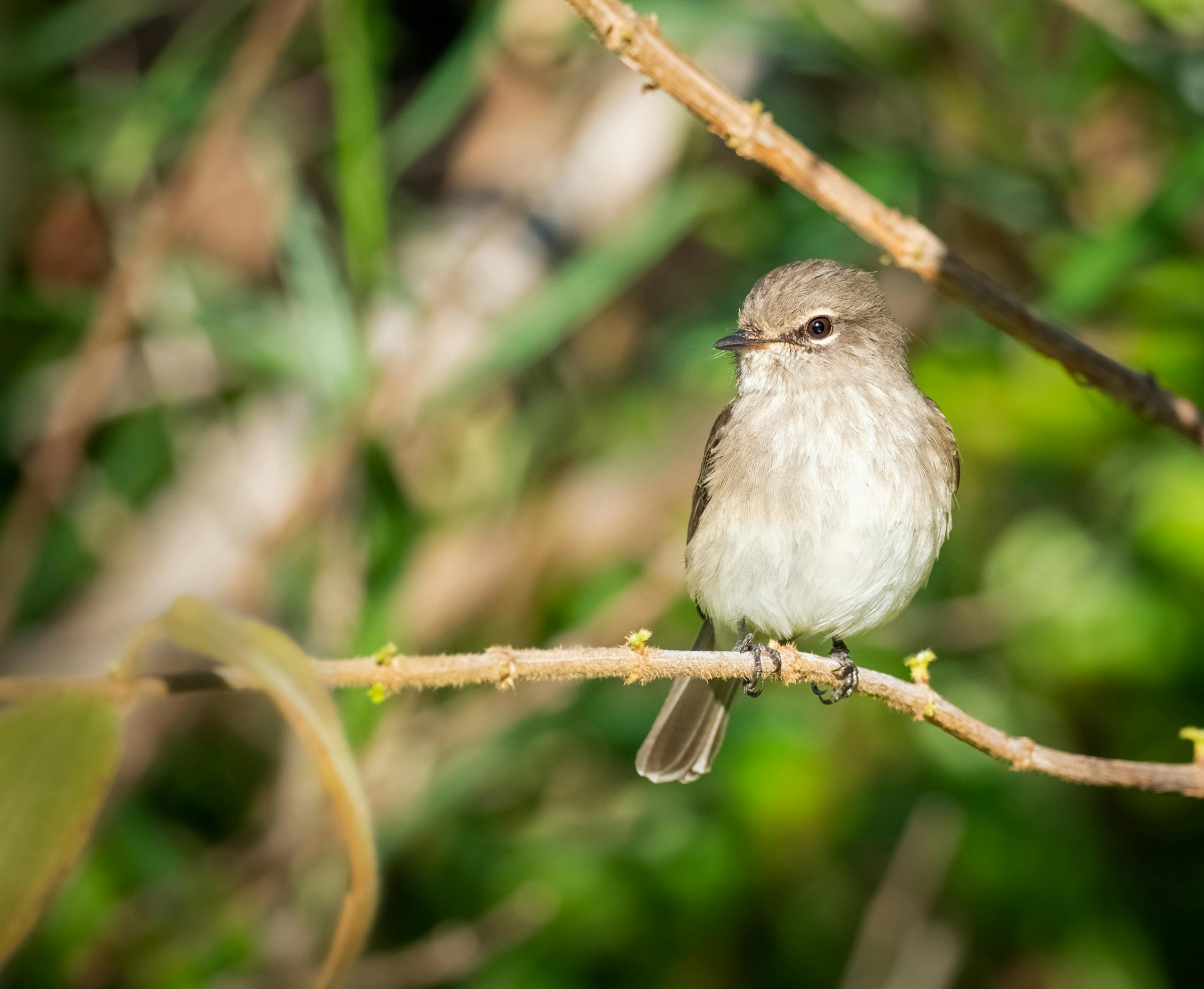
Chapin’s Flycatcher
Chapin’s Flycatcher
Chapin’s Flycatcher: A Rare Jewel of Central African Avifauna
Introduction
In the dense, misty forests of Central Africa, a small, elusive bird flits silently between the trees, often escaping the notice of even the most seasoned ornithologists. This bird is the Chapin’s Flycatcher (Fraseria lendu), a species so rare and enigmatic that it has become a symbol of both the fragility and resilience of African biodiversity. With its limited range, secretive behavior, and dwindling population, Chapin’s Flycatcher is not just a bird—it is a conservation icon.
This comprehensive guide explores the biology, habitat, behavior, and conservation status of this remarkable species. It is designed to be a definitive resource for birdwatchers, conservationists, and anyone passionate about the natural world. Let’s dive into the world of this elusive flycatcher and uncover why it matters more than ever.
Taxonomy and Classification
Chapin’s Flycatcher belongs to the family Muscicapidae, commonly known as the Old World flycatchers. It was first described in 1939 by the American ornithologist James Paul Chapin, after whom the species is named.
- Scientific Name: Fraseria lendu
- Family: Muscicapidae
- Genus: Fraseria
- Common Names: Chapin’s Flycatcher, Lendu Forest Flycatcher
This bird was once considered a subspecies of the African Dusky Flycatcher (Muscicapa adusta), but differences in vocalizations, plumage, and habitat preferences led to its recognition as a separate species.
👉 Learn more about bird taxonomy and why it’s essential for conservation.
Physical Characteristics
Though small and seemingly unremarkable at first glance, Chapin’s Flycatcher possesses subtle features that distinguish it from its relatives.
Key Features:
- Size: Approximately 13 cm in length
- Coloration: Dull brownish-grey upperparts with paler underparts
- Bill: Short, broad, and slightly hooked—perfect for catching insects mid-air
- Eyes: Dark and alert, with a faint eye-ring
- Wings: Rounded with a slight white edging on the feathers
Despite its modest appearance, the bird’s behavior and rarity make it a prized sighting among birdwatchers and researchers alike.
Habitat and Geographic Range
Chapin’s Flycatcher is endemic to the Albertine Rift montane forests, specifically the Lendu Plateau in northeastern Democratic Republic of Congo (DRC) and parts of western Uganda.
Preferred Habitat:
- Elevation: 1,800–2,400 meters above sea level
- Habitat Type: Moist montane forests with dense undergrowth
- Microhabitats:
- Forest edges
- Canopy gaps
- Secondary growth areas
Due to its limited range and specialized habitat requirements, the species is highly vulnerable to environmental changes.
🔗 Explore the Albertine Rift Biodiversity Hotspot to understand its ecological significance.
Behavior and Diet
Chapin’s Flycatcher is a solitary and secretive bird, often remaining hidden in the forest canopy.
Feeding Behavior:
- Diet: Insectivorous
- Foraging Style:
- Sallying from perches to catch flying insects
- Gleaning insects from leaves and bark
- Activity: Most active during early morning and late afternoon
Vocalizations:
Its call is a soft, high-pitched “tsee-tsee,” often heard before the bird is seen. Vocalizations play a crucial role in territory defense and mate attraction.
🎧 Listen to similar flycatcher calls to get a sense of their acoustic environment.
Breeding and Reproduction
Very little is known about the breeding habits of Chapin’s Flycatcher due to its elusive nature and remote habitat.
What We Know:
- Breeding Season: Likely coincides with the rainy season (March–May)
- Nesting: Presumed to build cup-shaped nests in tree forks
- Clutch Size: Estimated 2–3 eggs
- Parental Care: Both parents may participate in feeding and guarding the nest
Further field studies are needed to fully understand its reproductive biology.
Conservation Status
Chapin’s Flycatcher is currently listed as Endangered on the IUCN Red List.
Population Estimates:
- Total Population: Fewer than 2,500 mature individuals
- Trend: Declining
- Distribution: Severely fragmented
Key Criteria for Endangered Status:
- Extremely limited range
- Ongoing habitat degradation
- Small and declining population
Threats to Survival
The survival of Chapin’s Flycatcher is threatened by a combination of human and environmental factors.
Major Threats:
- Deforestation: Logging and agricultural expansion are the primary drivers of habitat loss
- Mining: Illegal and unregulated mining operations in the region
- Climate Change: Altered rainfall patterns and temperature shifts affecting forest ecosystems
- Political Instability: Armed conflict and lack of governance hinder conservation efforts
📉 Read more about deforestation in the Congo Basin and its impact on biodiversity.
Conservation Efforts and Strategies
Despite the challenges, several organizations and local communities are working to protect Chapin’s Flycatcher and its habitat.
Current Initiatives:
- Protected Areas: Parts of the Lendu Plateau are now under conservation management
- Community Engagement: Education programs to promote sustainable land use
- Research and Monitoring: Ongoing surveys to track population trends
- Policy Advocacy: Lobbying for stronger environmental protections
Recommended Strategies:
- Establishing transboundary conservation corridors
- Supporting eco-tourism to provide alternative livelihoods
- Expanding scientific research on the species
🌍 Discover how conservation NGOs are making a difference in Africa.
Why Chapin’s Flycatcher Matters
Chapin’s Flycatcher is more than just a rare bird—it is a bioindicator of forest health and a symbol of the unique biodiversity of the Albertine Rift.
Ecological Importance:
- Controls insect populations
- Contributes to forest regeneration through seed dispersal (indirectly)
- Represents a unique evolutionary lineage
Cultural and Scientific Value:
- Named in honor of a pioneering ornithologist
- Offers insights into speciation and adaptation in isolated habitats
How You Can Help
Even if you’re thousands of miles away, you can contribute to the survival of Chapin’s Flycatcher.
Ways to Make a Difference:
- 🐦 Support bird conservation organizations
- 🌱 Donate to reforestation projects in the Congo Basin
- 📚 Educate yourself and others about endangered species
- 🗳️ Advocate for stronger environmental policies
- 🧭 Travel responsibly and support eco-tourism
FAQs
1. Why is Chapin’s Flycatcher so rare?
Chapin’s Flycatcher is rare due to its extremely limited range, specialized habitat requirements, and the ongoing destruction of its forest habitat. Its elusive behavior also makes it difficult to study and monitor.
2. Where can I see Chapin’s Flycatcher?
The best chance to see this bird is in the Lendu Plateau of northeastern DRC or remote areas of western Uganda. However, sightings are rare and typically require expert guides and permits.
3. How is Chapin’s Flycatcher different from other flycatchers?
It differs in vocalization, plumage, and habitat preference from other members of the Fraseria genus and was once misclassified as a subspecies of the African Dusky Flycatcher.
4. What is being done to protect Chapin’s Flycatcher?
Conservation efforts include habitat protection, community education, and scientific research. Organizations like BirdLife International are actively involved in preserving its habitat.
5. Can I contribute to conservation from abroad?
Yes! You can donate to conservation NGOs, raise awareness, support sustainable products, and advocate for environmental policies in your country.
Conclusion
Chapin’s Flycatcher is a testament to the hidden wonders of our planet—an unassuming bird that carries immense ecological and symbolic weight. As its forest home faces mounting threats, the time to act is now. Whether through direct conservation efforts or spreading awareness, every action counts.
By understanding and protecting species like Chapin’s Flycatcher, we not only preserve a unique piece of our natural heritage but also safeguard the intricate web of life that sustains us all.