
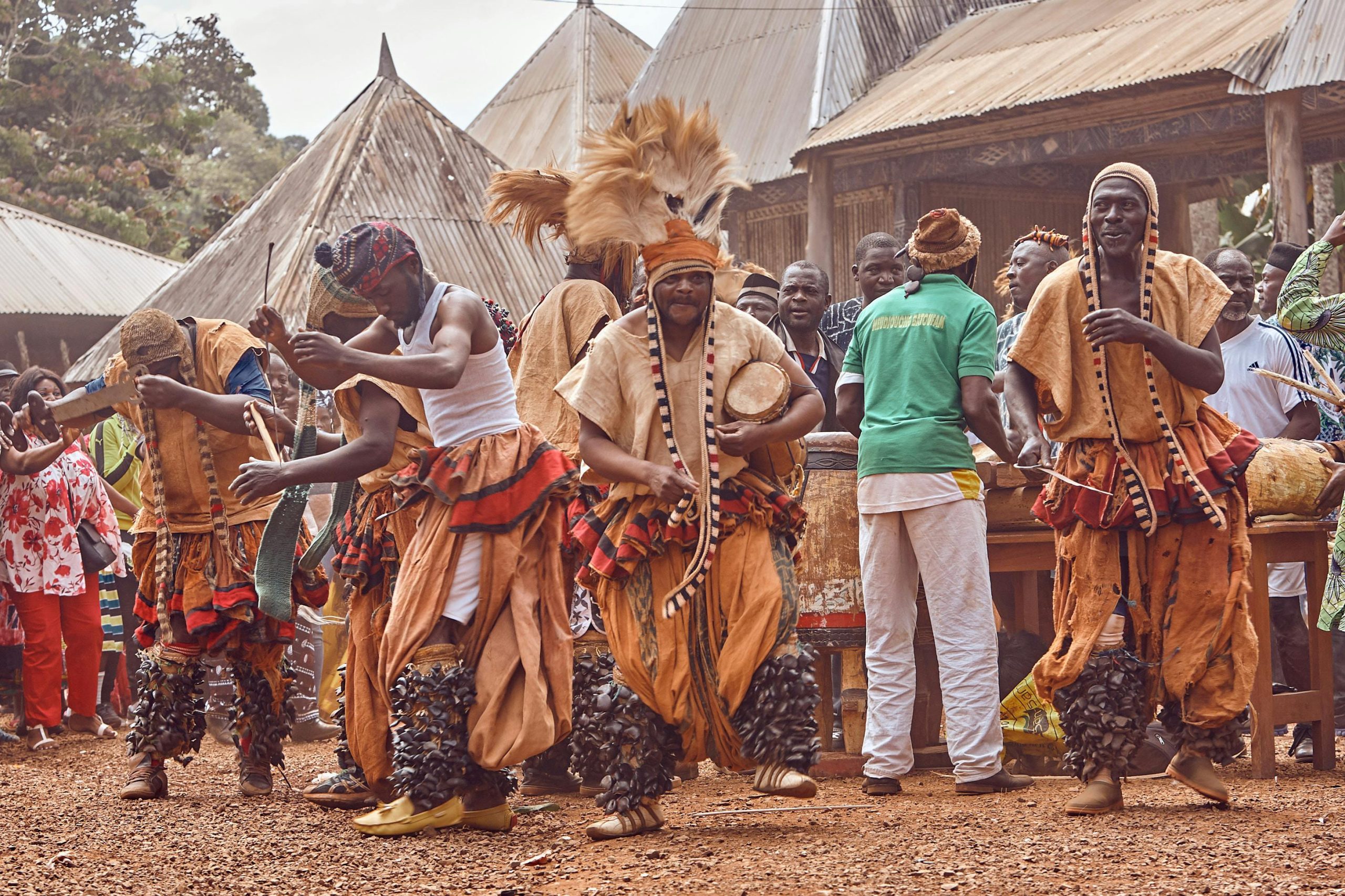
Community Tourism Experience Uganda
Community Tourism Experience Uganda
Community Tourism Experience in Uganda: Discover Authentic Culture and Wildlife Adventures
Uganda, famously known as the “Pearl of Africa,” is one of the most rewarding destinations for travelers seeking authentic cultural encounters, breathtaking landscapes, and unforgettable wildlife experiences. Community tourism in Uganda goes beyond traditional sightseeing by allowing visitors to connect directly with local communities, participate in cultural activities, and support sustainable development initiatives.
Travelers exploring Uganda through community tourism not only experience the country’s natural beauty but also contribute to the livelihoods of local people. Companies like Turkana Wildlife Safaris Uganda have helped promote responsible tourism by creating safari experiences that combine wildlife exploration with cultural immersion.
What Is Community Tourism?
Community tourism is a form of sustainable travel where local communities actively participate in tourism activities and benefit directly from visitor spending. In Uganda, this approach empowers rural communities to preserve their traditions, protect wildlife, and improve local livelihoods through tourism-related businesses.
Visitors can engage in activities such as:
- Village walks
- Traditional dance performances
- Local food preparation
- Craft-making workshops
- Coffee and banana farm tours
- Homestay experiences
- Wildlife conservation projects
Community tourism creates meaningful interactions between travelers and local residents while promoting environmental conservation and cultural preservation.
Why Uganda Is Perfect for Community Tourism
Uganda offers a unique combination of wildlife, cultural diversity, and natural beauty. The country is home to over 50 tribes, each with its own language, traditions, music, and customs. This cultural richness makes Uganda one of Africa’s top destinations for experiential tourism.
Uganda also boasts incredible wildlife attractions including:
- Mountain gorillas in Bwindi Impenetrable Forest
- Chimpanzees in Kibale Forest
- Tree-climbing lions in Queen Elizabeth National Park
- The mighty Nile River
- Murchison Falls National Park
- Kidepo Valley National Park
Travel companies such as Turkana Wildlife Safaris Uganda combine these iconic wildlife adventures with community based tourism experiences to create unforgettable journeys.
Top Community Tourism Experiences in Uganda
1. Gorilla Trekking and Batwa Cultural Experience
One of Uganda’s most popular tourism activities is gorilla trekking in Bwindi Impenetrable National Park. Beyond tracking endangered mountain gorillas, visitors can also interact with the Batwa community, the original forest dwellers of Bwindi.
Travelers learn about:
- Traditional hunting techniques
- Herbal medicine
- Ancient storytelling
- Batwa music and dance
This experience helps preserve indigenous knowledge while generating income for local communities.
2. Village Walks and Cultural Tours
Community village walks offer visitors an opportunity to experience authentic Ugandan rural life. Guests can participate in:
- Farming activities
- Cooking traditional meals
- Local brewing processes
- Basket weaving
- Traditional dance ceremonies
These activities create personal connections between travelers and local families.
3. Community-Based Wildlife Safaris
Wildlife safaris are among Uganda’s biggest tourism attractions. However, modern tourism now emphasizes community involvement and conservation.
Turkana Wildlife Safaris Uganda promotes responsible safari tourism by supporting local guides, community-owned lodges, and conservation awareness initiatives. Their safaris often include:
- Game drives
- Boat cruises
- Birdwatching tours
- Community interactions
- Cultural entertainment
This approach ensures tourism benefits both wildlife conservation and local populations.
4. Coffee and Agricultural Tourism
Uganda is one of Africa’s leading coffee producers. Agricultural tourism allows visitors to explore coffee farms and learn the journey from bean to cup.
Tourists can:
- Harvest coffee beans
- Roast and grind coffee traditionally
- Taste organic Ugandan coffee
- Learn sustainable farming methods
These experiences provide direct support to local farmers and cooperatives.
Benefits of Community Tourism in Uganda
Economic Empowerment
Community tourism creates jobs for guides, artisans, performers, farmers, and accommodation providers.
Cultural Preservation
Traditional dances, languages, crafts, and customs are preserved and celebrated through tourism.
Wildlife Conservation
When communities benefit from tourism, they become active participants in protecting wildlife and natural resources.
Authentic Travel Experiences
Travelers gain deeper cultural understanding through meaningful interactions with local people.
Sustainable Tourism and Conservation
Sustainable tourism is becoming increasingly important in Uganda. Responsible tour operators like Turkana Wildlife Safaris Uganda encourage eco-friendly travel practices that minimize environmental impact while maximizing community benefits.
Conservation efforts supported by tourism include:
- Anti-poaching programs
- Habitat protection
- Community education
- Wildlife research
- Sustainable lodge operations
These initiatives help preserve Uganda’s natural heritage for future generations.
Best Time to Visit Uganda for Community Tourism
Uganda can be visited throughout the year, but the best periods are:
- June to September
- December to February
These dry seasons offer excellent conditions for wildlife viewing, gorilla trekking, and cultural tours.
Travel Tips for Community Tourism in Uganda
- Respect local customs and traditions
- Dress modestly during village visits
- Support local artisans by purchasing handmade crafts
- Carry reusable water bottles to reduce plastic waste
- Use reputable tour operators
- Ask permission before taking photographs
Frequently Asked Questions (FAQs)
1. What is community tourism in Uganda?
Community tourism involves local communities participating in tourism activities and benefiting directly from tourism income through cultural experiences, accommodation, guiding services, and crafts.
2. Is community tourism safe in Uganda?
Yes, Uganda is generally safe for tourists, especially when traveling with professional operators such as Turkana Wildlife Safaris Uganda.
3. What should I pack for a community tourism safari?
Pack comfortable clothing, hiking shoes, insect repellent, sunscreen, a camera, and lightweight rain gear.
4. Can community tourism help conservation?
Absolutely. Community tourism provides alternative income sources that reduce dependence on poaching and deforestation while encouraging conservation.
5. Are cultural experiences included in wildlife safaris?
Yes. Many safari packages combine wildlife adventures with village visits, cultural performances, and community activities.
6. What wildlife can I see in Uganda?
Uganda offers gorillas, chimpanzees, lions, elephants, buffaloes, giraffes, hippos, crocodiles, and over 1,000 bird species.
7. Why choose Turkana Wildlife Safaris Uganda?
Turkana Wildlife Safaris Uganda offers customized safari experiences that combine wildlife exploration, cultural immersion, and sustainable tourism practices.
Conclusion
Community tourism in Uganda offers travelers an extraordinary opportunity to experience the country beyond traditional safaris. From gorilla trekking and cultural village tours to coffee farming and wildlife conservation, Uganda provides authentic experiences that benefit both visitors and local communities.
By choosing responsible operators like Turkana Wildlife Safaris Uganda, travelers can enjoy unforgettable adventures while supporting sustainable tourism, wildlife conservation, and community development.
Uganda’s rich cultural heritage, warm hospitality, and incredible biodiversity make it one of Africa’s leading destinations for meaningful and responsible travel.