
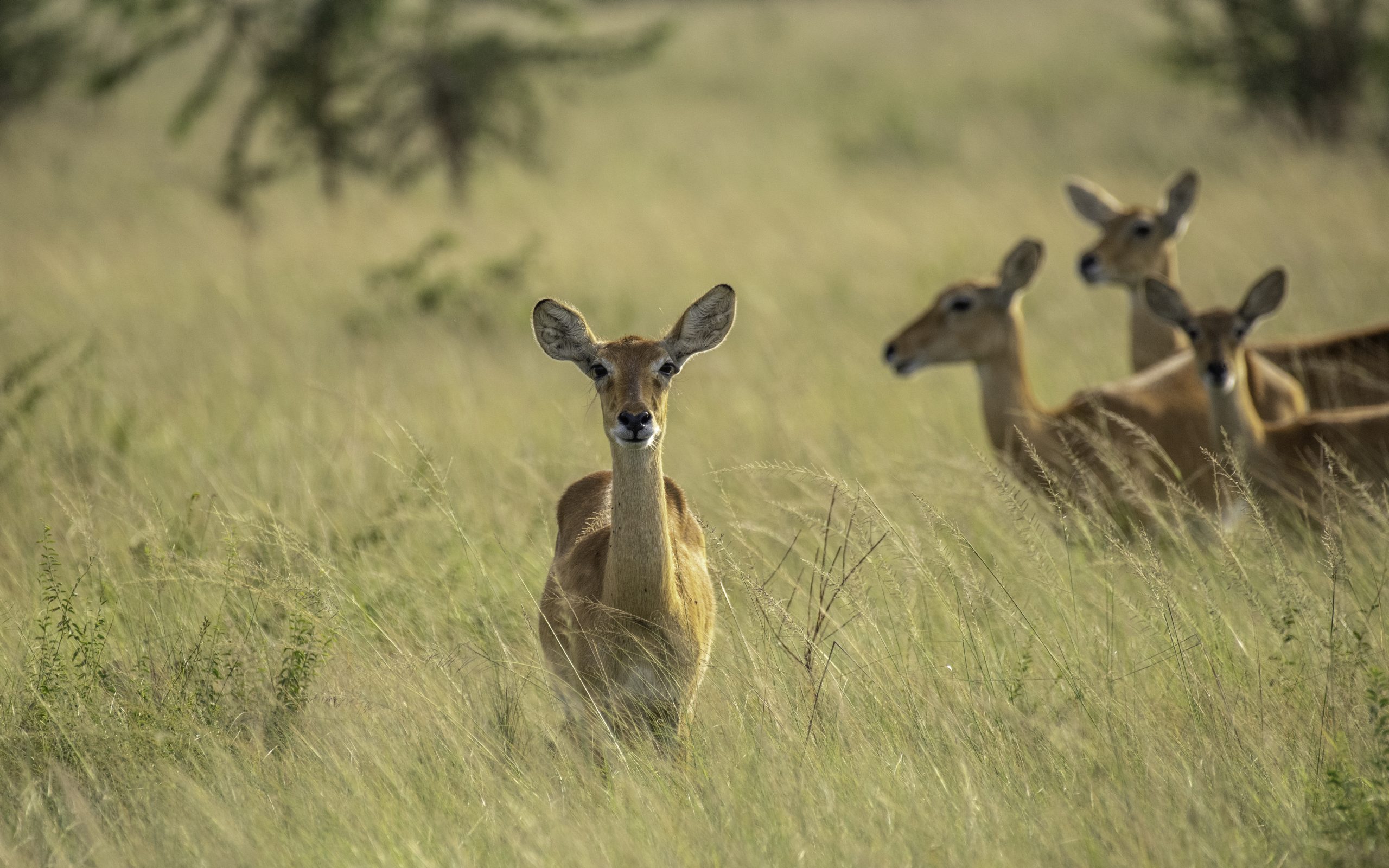
Conservation Areas
Conservation Areas
The Ultimate Guide to Conservation Areas in Uganda: Biodiversity, Eco-Tourism & Sustainability
Uganda, often referred to as the “Pearl of Africa,” is a sanctuary of breathtaking landscapes, rich biodiversity, and thriving ecosystems. Its unique geographical location, straddling the equator and encompassing a variety of habitats—from lush tropical rainforests to expansive savannahs—makes it a haven for conservation efforts. This comprehensive guide explores the most significant conservation areas in Uganda, their ecological importance, and how they contribute to sustainable tourism and environmental protection.
Introduction to Uganda’s Conservation Landscape
Uganda is home to over 60 protected areas, including 10 national parks and 12 wildlife reserves. These protected areas are managed primarily by the Uganda Wildlife Authority (UWA), which oversees conservation, research, and tourism.
The country boasts:
- Over 1,000 species of birds
- Half of the world’s remaining mountain gorillas
- Diverse ecosystems: wetlands, forests, savannahs, and mountains
These features make Uganda a critical player in global biodiversity conservation.
Why Conservation Areas Matter
Conservation areas are not just about protecting wildlife; they are vital for:
- Preserving biodiversity: Safeguarding endangered species and endemic flora and fauna.
- Climate regulation: Forests and wetlands act as carbon sinks.
- Cultural heritage: Many areas are sacred to indigenous communities.
- Economic development: Through eco-tourism and sustainable resource use.
By maintaining these areas, Uganda contributes to the United Nations Sustainable Development Goals (SDGs), particularly those related to life on land, climate action, and sustainable communities.
Top Conservation Areas in Uganda
Bwindi Impenetrable National Park
A UNESCO World Heritage Site, Bwindi Impenetrable Forest is renowned for its population of mountain gorillas. Located in southwestern Uganda, it spans over 321 km² of dense rainforest.
Highlights:
- Home to nearly half of the world’s mountain gorillas
- Over 120 species of mammals
- More than 350 bird species
Activities:
- Gorilla trekking
- Bird watching
- Nature walks
Queen Elizabeth National Park
Stretching from Lake George to Lake Edward, Queen Elizabeth National Park is Uganda’s most visited park.
Key Features:
- Tree-climbing lions in the Ishasha sector
- Kazinga Channel boat cruises
- Over 600 bird species
Eco-tourism Opportunities:
- Wildlife safaris
- Community tourism projects
- Responsible lodges and camps
Murchison Falls National Park
Uganda’s largest national park, Murchison Falls is bisected by the Nile River and features the dramatic waterfall from which it gets its name.
Ecological Importance:
- Diverse habitats: savannah, woodland, and riverine forest
- Home to the Big Five (lion, elephant, buffalo, leopard, rhino)
- Over 450 bird species
Activities:
- Game drives
- Nile boat safaris
- Hiking to the top of the falls
Kibale Forest National Park
Known as the primate capital of the world, Kibale Forest is a lush tropical rainforest in western Uganda.
Wildlife:
- 13 species of primates, including chimpanzees
- Over 375 bird species
- Rich in butterflies and amphibians
Tourism Activities:
- Chimpanzee tracking
- Forest hikes
- Cultural encounters
Kidepo Valley National Park
One of Africa’s most remote parks, Kidepo Valley offers a raw, untouched wilderness experience.
Unique Features:
- Dramatic landscapes with rugged mountains and open plains
- Rare species like cheetahs and ostriches
- Rich Karamojong culture
Best For:
- Off-the-beaten-path safaris
- Cultural immersion
- Photography
Lake Mburo National Park
A compact but ecologically rich park, Lake Mburo is ideal for short visits and walking safaris.
Notable Aspects:
- Only park with impalas and zebras
- Five lakes within the park
- Great for birding and boat rides
Mount Elgon National Park
Straddling the Uganda-Kenya border, Mount Elgon is an extinct volcano with one of the largest calderas in the world.
Ecological Significance:
- Unique montane flora
- Source of several rivers
- Home to endangered species like the lammergeier
Activities:
- Mountain climbing
- Waterfall hikes
- Cave exploration
Community Involvement in Conservation
Local communities play a pivotal role in the success of conservation initiatives. Through programs like Community-Based Natural Resource Management (CBNRM), Uganda empowers locals to:
- Participate in eco-tourism
- Benefit from revenue-sharing schemes
- Engage in anti-poaching patrols
Examples of Community Projects:
- Buhoma Community Rest Camp in Bwindi
- Ruboni Community Camp near Rwenzori Mountains
- Kikorongo Women’s Craft Group in Queen Elizabeth NP
Challenges Facing Conservation in Uganda
Despite its successes, Uganda’s conservation efforts face several threats:
Environmental Pressures
- Deforestation for agriculture and charcoal
- Wetland encroachment
- Climate change impacts
Human-Wildlife Conflict
- Crop raiding by elephants or baboons
- Livestock predation by carnivores
Poaching and Illegal Trade
- Bushmeat hunting
- Trafficking of ivory and pangolins
Funding and Management
- Limited resources for park management
- Inadequate infrastructure for tourism
Eco-Tourism and Sustainable Travel
Uganda is a leader in promoting eco-tourism, which minimizes environmental impact and maximizes community benefits.
Eco-Friendly Travel Tips:
- Stay in certified eco-lodges
- Hire local guides
- Avoid single-use plastics
- Respect wildlife and local customs
Top Eco-Lodges in Uganda:
- Clouds Mountain Gorilla Lodge (Bwindi)
- Apoka Safari Lodge (Kidepo)
- Ndali Lodge (Kibale)
Government and NGO Roles
The Uganda Wildlife Authority leads the charge in managing protected areas. However, collaboration with NGOs and international partners is essential.
Key Players:
Their Contributions:
- Anti-poaching initiatives
- Biodiversity research
- Environmental education
Future of Conservation in Uganda
The future is promising, but it requires:
- Enhanced community participation
- Investment in green infrastructure
- Strengthening legal frameworks
- Promoting conservation education
Emerging Trends:
- Use of drones for wildlife monitoring
- Digital tourism platforms
- Carbon credit projects in forest reserves
FAQs
1. What is the most famous conservation area in Uganda?
The most renowned is Bwindi Impenetrable National Park, home to endangered mountain gorillas and a UNESCO World Heritage Site.
2. How can tourists support conservation in Uganda?
By choosing eco-tourism options, hiring local guides, and staying in eco-lodges that reinvest in conservation.
3. Are there community-run conservation areas?
Yes, several areas like the Buhoma Community Rest Camp are managed by local communities with support from NGOs and UWA.
4. What wildlife can I see in Uganda’s parks?
From the Big Five to rare birds and primates like chimpanzees and mountain gorillas, Uganda offers exceptional biodiversity.
5. Is it safe to visit Uganda’s conservation areas?
Absolutely. The Uganda Wildlife Authority ensures safety through trained rangers, clear guidelines, and secure accommodations.
Conclusion
Uganda’s conservation areas are not only ecological treasures but also pillars of sustainable development and cultural heritage. From the misty forests of Bwindi to the arid plains of Kidepo, each park tells a story of resilience, beauty, and hope. By supporting conservation through responsible travel, education, and advocacy, we ensure these natural wonders endure for generations to come.
Explore. Respect. Conserve.