
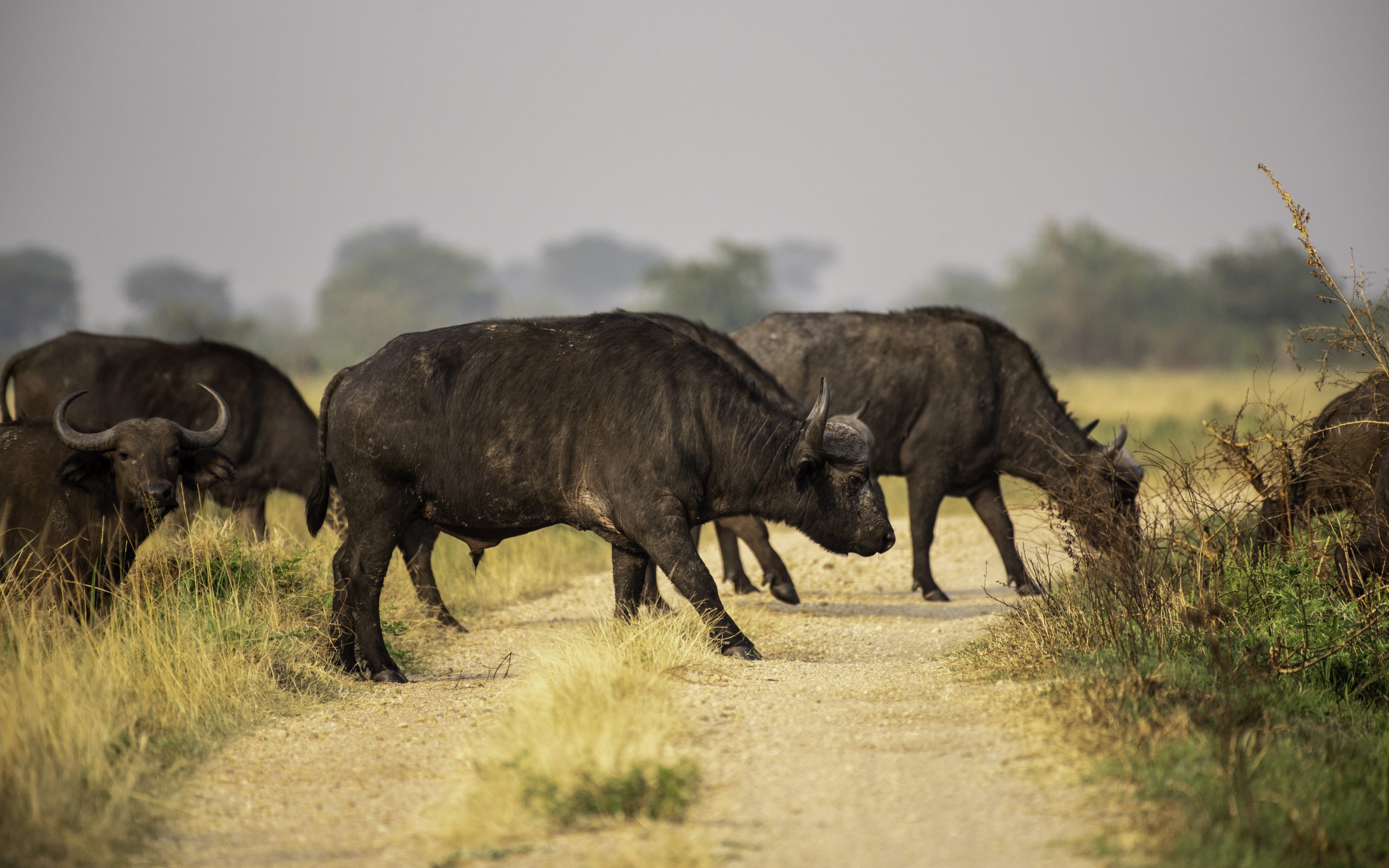
Conservation Biology
Conservation Biology
Conservation Biology in Uganda: A Deep Dive into Biodiversity Protection and Ecological Sustainability
Introduction
Uganda, often referred to as the “Pearl of Africa,” is a nation blessed with an extraordinary range of ecosystems, from lush tropical rainforests to expansive savannahs and freshwater lakes. This rich environmental tapestry makes it a critical hub for conservation biology. As global environmental challenges intensify, Uganda’s role in biodiversity protection has grown increasingly significant. This article explores the intricate world of conservation biology in Uganda, highlighting the nation’s efforts, challenges, and successes in preserving its unique natural heritage.
What is Conservation Biology?
Conservation biology is an interdisciplinary science focused on understanding and preserving Earth’s biological diversity. It integrates principles from ecology, genetics, environmental science, and policy to protect species, habitats, and ecosystems from extinction and degradation.
Core Objectives of Conservation Biology
- Preservation of species diversity
- Protection of genetic variation
- Sustainability of ecosystems
- Restoration of degraded habitats
- Mitigation of human-wildlife conflicts
Uganda’s Ecological Significance
Uganda’s location at the confluence of several ecological zones makes it a biodiversity hotspot. The country is home to:
- Over 1,000 bird species, including the rare shoebill stork
- More than 345 mammal species, such as the mountain gorilla
- Numerous endemic plant species found in the Albertine Rift
Key Biodiversity Areas (KBAs)
Uganda boasts several KBAs that are critical for conservation biology:
- Bwindi Impenetrable National Park – A UNESCO World Heritage Site and home to nearly half of the world’s mountain gorilla population.
- Queen Elizabeth National Park – Known for its tree-climbing lions and diverse aquatic ecosystems.
- Mabira Forest Reserve – One of the largest surviving natural forests in central Uganda.
Threats to Biodiversity in Uganda
Despite its ecological wealth, Uganda faces numerous threats to its biodiversity:
1. Habitat Loss and Fragmentation
- Rapid urbanization and agricultural expansion
- Logging and deforestation in protected areas
- Infrastructure development (roads, dams, settlements)
2. Poaching and Illegal Wildlife Trade
- Targeting of elephants, pangolins, and rhinos
- Bushmeat hunting threatening smaller mammals and birds
3. Climate Change
- Altered rainfall patterns affecting ecosystems
- Increased frequency of droughts and floods
- Shifts in species distribution
4. Invasive Species
- Introduction of non-native plants and animals disrupting local ecosystems
- Competition with indigenous species for resources
Conservation Strategies and Initiatives
Uganda has implemented a range of strategies to combat biodiversity loss and promote sustainability.
Government Policies and Legal Frameworks
- National Environment Act (2019) – Strengthens environmental governance and enforcement.
- Wildlife Act (2019) – Enhances penalties for poaching and illegal trade.
- Uganda Vision 2040 – Integrates environmental sustainability into national development plans.
Protected Areas and National Parks
Uganda has designated over 10% of its land as protected areas, including:
- 10 National Parks
- 12 Wildlife Reserves
- 5 Community Wildlife Areas
These areas are managed by the Uganda Wildlife Authority (UWA), which plays a pivotal role in conservation efforts.
Community-Based Conservation
Local communities are vital stakeholders in conservation biology. Initiatives include:
- Revenue-sharing programs from tourism
- Eco-tourism ventures that provide alternative livelihoods
- Community forest management to reduce illegal logging
Research and Monitoring Programs
Institutions such as Makerere University and the Uganda National Council for Science and Technology (UNCST) conduct vital research on:
- Species population dynamics
- Habitat health assessments
- Climate change impacts
Role of International Organizations
Several global organizations collaborate with Uganda to support conservation biology:
- World Wildlife Fund (WWF)
- International Union for Conservation of Nature (IUCN)
- Conservation International
- Jane Goodall Institute
These partnerships provide funding, technical expertise, and policy advocacy.
Success Stories in Ugandan Conservation
1. Mountain Gorilla Conservation
Thanks to concerted efforts by UWA, NGOs, and local communities, the population of mountain gorillas in Bwindi has increased steadily. Gorilla tourism generates significant revenue, which is reinvested in conservation and community development.
2. Wetland Restoration Projects
Uganda has restored over 2,000 hectares of degraded wetlands, improving water quality and biodiversity. Key projects include the Lwera Wetland Restoration and Lake Victoria Basin Management Plan.
3. Anti-Poaching Measures
The deployment of SMART (Spatial Monitoring and Reporting Tool) technology and canine units has significantly reduced poaching incidents in national parks.
Challenges and Gaps
Despite progress, several challenges persist:
- Limited funding for conservation programs
- Weak enforcement of environmental laws
- Human-wildlife conflicts in buffer zones
- Corruption and mismanagement in some agencies
The Future of Conservation Biology in Uganda
To ensure long-term ecological sustainability, Uganda must:
- Strengthen environmental education and awareness
- Enhance cross-border conservation with neighboring countries
- Invest in green technologies and sustainable agriculture
- Promote youth involvement in conservation science
FAQs: Conservation Biology in Uganda
1. What makes Uganda a biodiversity hotspot?
Uganda’s unique location at the intersection of several ecological zones supports a wide range of species and habitats. Its rich biodiversity includes endemic flora and fauna, making it a critical area for global conservation efforts.
2. How does conservation biology benefit local communities?
Conservation initiatives often include community-based programs that provide alternative livelihoods, such as eco-tourism, sustainable agriculture, and forest management. These efforts help reduce dependence on natural resources while improving local economies.
3. What are the main threats to Uganda’s biodiversity?
Key threats include habitat destruction, poaching, climate change, and invasive species. These challenges require coordinated responses from government, NGOs, and local communities.
4. How can tourists support conservation in Uganda?
Tourists can contribute by visiting national parks, participating in eco-tourism activities, and supporting conservation-focused organizations. Responsible tourism helps fund conservation projects and supports local livelihoods.
5. What role do international organizations play in Uganda’s conservation?
Organizations like WWF, IUCN, and Conservation International provide technical support, funding, and advocacy. They collaborate with the Ugandan government and local NGOs to implement conservation strategies and monitor biodiversity.
Conclusion
Conservation biology in Uganda is a dynamic and evolving field that plays a crucial role in preserving one of Africa’s most biologically diverse regions. From the misty mountains of Bwindi to the vast plains of Queen Elizabeth National Park, Uganda’s natural heritage is both a treasure and a responsibility. Through collaborative efforts, innovative strategies, and unwavering commitment, Uganda continues to lead by example in the global conservation movement.