
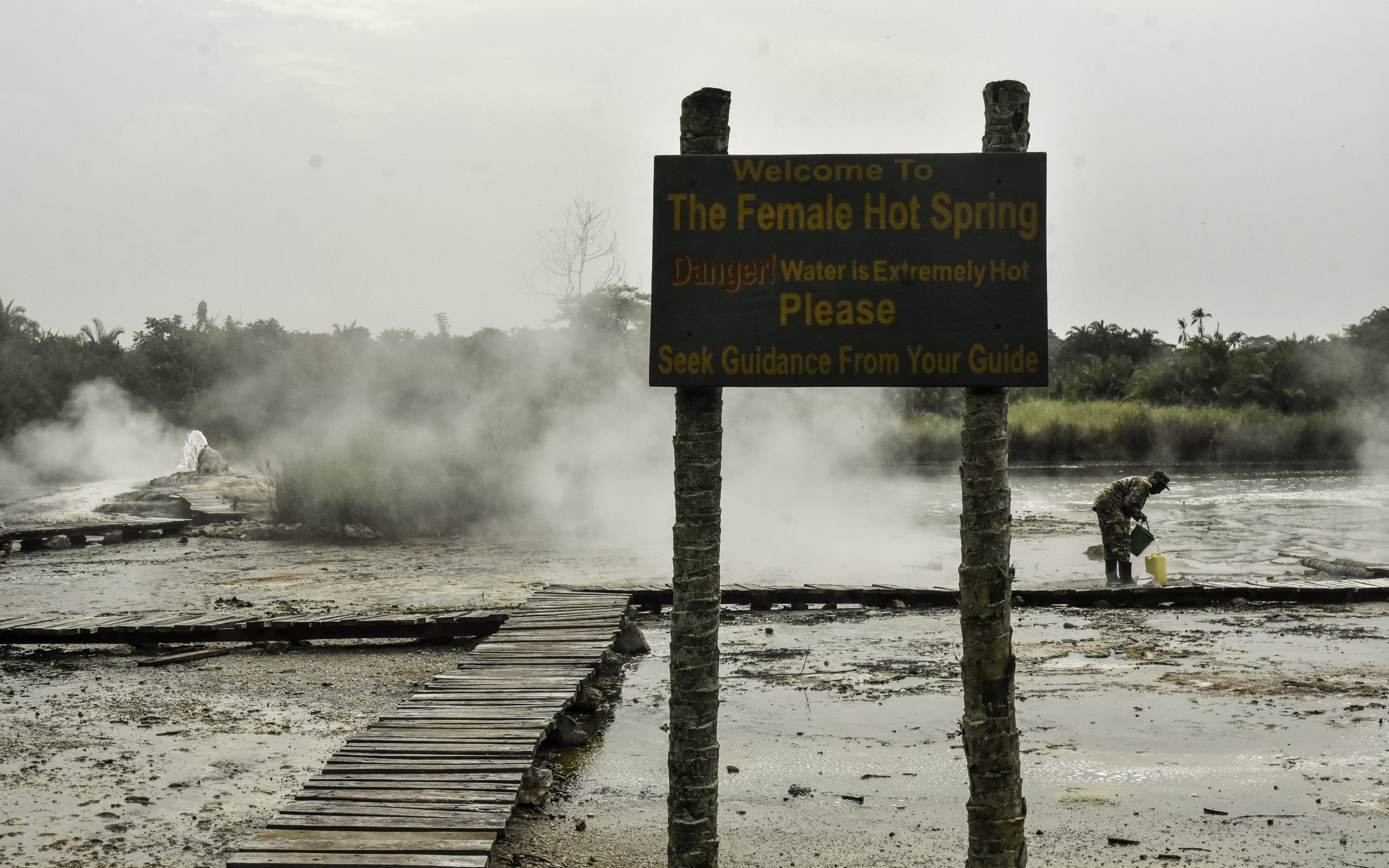
Conservation Jobs
Conservation Jobs
The Ultimate Guide to Conservation Jobs: Careers That Protect Our Planet
Introduction
In a world increasingly aware of the environmental challenges we face, conservation jobs have emerged as vital roles in safeguarding ecosystems, wildlife, and natural resources. These careers not only offer the chance to make a tangible impact on the planet but also provide fulfilling work for those passionate about nature, sustainability, and science.
Whether you’re a recent graduate, a career switcher, or a seasoned professional looking to align your work with your values, the conservation sector offers a diverse array of opportunities. In this comprehensive guide, we’ll explore the landscape of conservation careers, the skills required, where to find jobs, and how to stand out in this competitive yet rewarding field.
What Are Conservation Jobs?
Conservation jobs encompass a wide range of professions dedicated to the protection and sustainable management of the natural environment. These roles can be found in government agencies, non-profit organizations, academic institutions, and private companies.
Key Areas of Conservation Work
- Wildlife Conservation – Protecting endangered species and their habitats
- Marine Conservation – Preserving ocean ecosystems and marine biodiversity
- Forest and Land Management – Maintaining healthy forests and landscapes
- Environmental Education – Raising awareness and educating the public
- Policy and Advocacy – Influencing environmental legislation and regulations
- Sustainable Development – Integrating conservation with community development
Each of these areas requires a unique set of skills and offers different career paths, from fieldwork and research to policy-making and education.
Why Choose a Career in Conservation?
Choosing a career in conservation is more than just a job—it’s a commitment to making a difference. Here are some compelling reasons to consider this path:
- 🌍 Positive Environmental Impact: Your work directly contributes to the health of the planet.
- 🧠 Intellectual Challenge: Conservation careers often involve complex problem-solving and interdisciplinary knowledge.
- 💚 Personal Fulfillment: Align your professional life with your passion for nature and sustainability.
- 🌱 Growing Sector: As climate change and biodiversity loss become more urgent, demand for conservation professionals is increasing.
Top Conservation Job Titles and What They Do
1. Conservation Biologist
A conservation biologist studies ecosystems and species to develop strategies for preserving biodiversity. They often work in the field, collecting data and monitoring wildlife populations.
2. Environmental Educator
Environmental educators work in schools, nature centers, and NGOs to teach people about environmental issues and inspire action.
3. Marine Ecologist
A marine ecologist studies ocean life and works on projects to protect coral reefs, fisheries, and marine mammals.
4. Park Ranger
Park rangers manage and protect national parks and public lands, ensuring the safety of visitors and the preservation of natural resources.
5. Environmental Policy Analyst
These professionals analyze and develop environmental policies, often working with governments or NGOs to advocate for sustainable practices.
6. Wildlife Rehabilitator
Wildlife rehabilitators care for injured or orphaned animals with the goal of releasing them back into the wild.
7. Conservation Project Manager
They oversee conservation projects from planning to execution, managing budgets, timelines, and teams.
Skills and Qualifications for Conservation Careers
While specific qualifications vary by role, successful conservation professionals often share a common set of skills:
Essential Skills
- Scientific Literacy – Understanding ecological principles and research methods
- Fieldwork Experience – Ability to work in remote and challenging environments
- Communication – Writing reports, grant proposals, and public outreach
- Data Analysis – Using software like GIS, R, or Python for environmental data
- Project Management – Planning, budgeting, and leading teams
Educational Background
Most conservation roles require at least a bachelor’s degree in relevant fields such as:
- Environmental Science
- Biology
- Ecology
- Forestry
- Marine Science
- Geography
Advanced roles may require a master’s or Ph.D., especially in research or academic positions.
Where to Find Conservation Jobs
Finding the right job in conservation requires knowing where to look. Here are some of the best platforms and organizations offering conservation employment opportunities:
Online Job Boards
Government Agencies
International NGOs
How to Stand Out in the Conservation Job Market
The conservation field is competitive, but with the right approach, you can distinguish yourself:
Build Experience
- Volunteer with local conservation groups
- Participate in citizen science projects
- Apply for internships or seasonal fieldwork roles
Network Strategically
- Attend environmental conferences and workshops
- Join professional associations like The Society for Conservation Biology
- Connect with professionals on LinkedIn
Tailor Your Resume
- Highlight relevant fieldwork, research, and technical skills
- Use keywords from the job description
- Include certifications (e.g., first aid, GIS, scuba diving)
Get Certified
- GIS and Remote Sensing
- Wildlife Handling and Rehabilitation
- Environmental Impact Assessment
Emerging Trends in Conservation Careers
As the environmental landscape evolves, so do conservation careers. Here are some emerging trends shaping the future of the field:
1. Climate Adaptation and Resilience
Professionals are needed to help communities and ecosystems adapt to climate change impacts.
2. Urban Conservation
With more people living in cities, urban conservation focuses on green spaces, biodiversity, and sustainable urban planning.
3. Technology in Conservation
The use of drones, AI, and satellite imagery is revolutionizing how we monitor and protect the environment.
4. Indigenous Knowledge Integration
Collaborating with Indigenous communities to incorporate traditional ecological knowledge into conservation strategies.
5. Environmental Justice
Addressing the intersection of environmental issues and social equity is becoming central to many conservation projects.
Career Paths: From Entry-Level to Leadership
Entry-Level Roles
- Conservation Assistant
- Field Technician
- Research Intern
- Volunteer Coordinator
Mid-Level Positions
- Project Officer
- Communications Specialist
- Ecologist
- Environmental Consultant
Senior and Leadership Roles
- Program Director
- Policy Advisor
- Chief Scientist
- Executive Director
How to Transition into a Conservation Career
Not from a science background? No problem. Many conservation jobs value diverse skill sets:
Transferable Skills
- Marketing → Environmental Communications
- Law → Environmental Policy and Advocacy
- IT → Conservation Technology and Data Analysis
- Education → Environmental Outreach
Steps to Transition
- Identify your transferable skills
- Take relevant online courses (e.g., Coursera, edX)
- Volunteer or intern in conservation
- Network with professionals in the field
- Apply for entry-level or lateral positions
Frequently Asked Questions (FAQ)
1. What degree do I need for a conservation job?
Most roles require a degree in environmental science, biology, or a related field. However, some positions value experience and specific skills over formal education. Explore options on Conservation Careers.
2. Are there remote conservation jobs?
Yes, especially in policy, writing, data analysis, and education. Check platforms like Conservation Job Board for remote listings.
3. How much do conservationists earn?
Salaries vary by role and location. Entry-level positions may start around $30,000–$40,000, while senior roles can exceed $80,000. WWF Careers and IUCN Jobs provide salary ranges.
4. Can I work in conservation without a science background?
Absolutely. Roles in communications, fundraising, education, and policy often welcome professionals from diverse backgrounds. Learn more at EnvironmentJobs.
5. What’s the job outlook for conservation careers?
The sector is growing, especially in areas like climate resilience, marine conservation, and environmental justice. Stay updated with trends via The Nature Conservancy.
Conclusion
Conservation jobs offer a unique blend of purpose, challenge, and impact. Whether you’re drawn to the field by a love of wildlife, a commitment to sustainability, or a desire to combat climate change, there’s a place for you in this vital sector.
By understanding the landscape, building relevant skills, and strategically navigating the job market, you can carve out a meaningful and rewarding career in conservation.
🌿 Start your journey today by exploring opportunities on trusted platforms like Conservation Careers and Conservation Job Board. The planet needs passionate professionals like you.